


By: Priyanka Saurabh
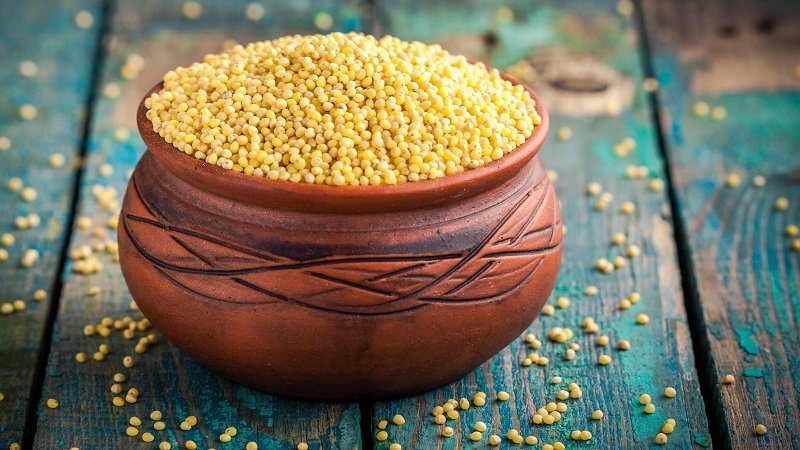
The term millet is used for small grain cereals such as jowar, bajra, small millet (kutki), finger millet (raagi), etc. Millet is superior to rice and wheat in terms of mineral, vitamin, and dietary fiber content. The year 2023 will be celebrated as the International Year of Millets.
Inadequate investment in product development and commercial scale, low social status of millet food, resistance to dietary habits, and lack of knowledge on the use of millet in daily diet are inhibiting its consumption.
Related Posts:




Most people like the winter season in India, but this season brings many diseases with it. It is considered best for the growth of fungus and bacteria due to moisture in cold weather. When these microorganisms attack our body, then due to weak immunity, our body quickly becomes vulnerable to diseases. In this season, Bajra roti will take full care of your health along with taste. The fiber present in it will remove stomach problems and relieve constipation.
Many nutrients including protein, sodium, carbohydrate, and fiber are found in abundance in millet. You can use it in the form of porridge, khichdi, or roti made of its flour during winter. By eating this, the digestive system of the stomach remains stable and keeps away many problems including gas, abdominal pain, and indigestion. A considerable amount of iron is found in millet, which helps in increasing blood in the body. Its consumption reduces the risk of heart blockage and the heart also remains healthy. Health experts say that its use prevents anaemia during pregnancy and the development of the child in the womb is done properly. In the last few years, the trend of eating coarse-grain bread instead of flour has started increasing. If you do not like bajra, you can also use jowar, cowpea, and gram flour.
Why millets are not the first choice, despite their benefits to consumers and farmers, unfair pricing and middlemen have led to farmer distress. Market dynamics are not in favour of the growth of millets. Due to the increase in income and urbanization, millets are being used for purposes other than consumption. The national average for bajra is less than 2 tonnes, compared to 3.5 tonnes for wheat and 4 tonnes for paddy. With access to assured irrigation, farmers would turn to rice, wheat, sugarcane, or cotton.
Due to the Green Revolution and the National Food Security Act of 2013, two-thirds of India’s population receive 5 kg of wheat or rice per person per month at Rs 2 and Rs 3 per kg, respectively. This goes against the millet. In the absence of government procurement at minimum support price, farmers would hesitate to grow it suitable for both Kharif and summer after the monsoon.
What needs to be done to make it more acceptable?
Inter-cropping of millets is beneficial for adopting inter-cropping and providing crop insurance as the fibrous roots of millet plants help improve soil quality, and prevent water runoff and soil erosion-prone areas helps in the protection of Each school child and Anganwadi beneficiaries can be served one daily meal based on locally procured millet, jowar, ragi, etc. It will promote crop diversification by generating demand. MSP procurement of millets should be part of the decentralized nutrition program, specifically targeting the citizens of tomorrow.
Millets can be served in the form of ready-to-eat foods such as cookies, laddoos, nutrition bars, etc. The Center can fund any state that wishes to purchase millets specific to their region, especially for distribution through schools and anganwadis. Odisha already has a dedicated Millets Mission. A combination of central funding with decentralized procurement linked to nutrition targets can do for millets what the Food Corporation of India has achieved with rice and wheat.
With increasing awareness about the need to stay fit, people are trying to incorporate ‘healthy’ options into their regular diet. Millet is one such item. But, while the importance of millet (low carbs and high protein) cannot be ignored, health experts say that following only a millet diet is not advised. “Bajra is recommended to be consumed in moderation as excessive consumption can have adverse effects as the grain contains substances that interfere with the functioning of the thyroid.
Millets can cause delayed digestion due to their slow digestibility as they are high in fiber. People with intestinal disorders may have trouble. Millets are a good source of amino acids, but too much of amino acids are not recommended for the body, Millets based diets have worked effectively for people with diabetes or heart diseases as millets lower sugar levels. Helps to reduce and boost immunity. However, healthy people should ensure that they include a millet-based diet on alternate days. People should take a protein diet for bodybuilding and those who want to do weight management should take a millet diet. (The author is a Research Scholar in Political Science, a poetess, freelance journalist, and columnist. She can be reached at priyankasaurabh9416@gmail.com)