


By: Pritam Sarma Bharadwaj
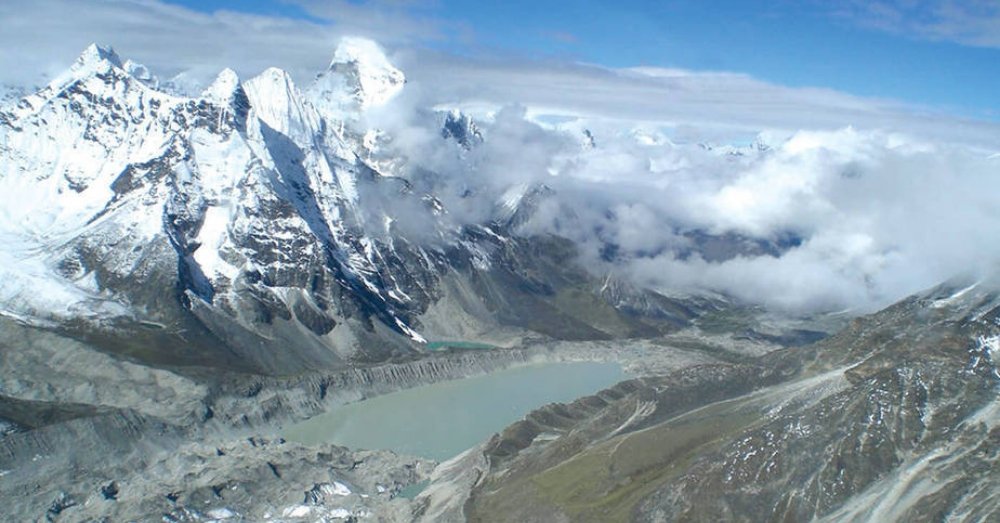
Joshimath is a sprawling city located in the foothills of the Great Himalayas. A city that serves as Lord Badrinath’s winter residence, it welcomes thousands of pilgrims visiting the Mesmerizing Valley of flowers and Auli. The city is now facing a geographical crisis. In the last few days, it has been declared a “Landslide Subsidence Zone” under disaster management as numerous homes had severe damage, and others are unsafe for human habitation and constituted a ‘severe risk’ to the people. Flanked by two rivers, which according to Environment specialists, makes the valley particularly vulnerable to earthquakes, landslides, and erosion (falling in zone 5). On the other hand, the rapid urbanization in the region and mega projects have led to massive drilling, deforestation, and aquifer damage making it more fragile. Land Subsidence has resulted in cracks in over 700 houses out of 4,500 buildings and residents have been evacuated and buildings have been demolished.
In 2021, Research conducted by IIT Ropar researchers predicted that the valley will sink by 8.5 to 10 cm shortly which was quite alarming. Correspondence to that report claimed that fast subsidence of at most 5.4 centimeters was triggered in the city within 22 days as much as 18 January. The alarms have been ringing for a long time, as many Environmentalists have been vocal about it, yet their voice was always suppressed. Exactly this happened to MC Mishra, a bureaucrat who spearheaded a panel set up in 1976 by the Central Government. According to his findings, the rivers flowing through the valley play a part in triggering landslides, by eroding the riverbanks and mountain edges. The panel further advised not to remove the boulders by drilling or blasting the hillside. In 2001, Environmentalist Chandi Prasad along with leading scientific organizations of the country including the National Remote Sensing Agency (NRSA) sent a report to the Government. They warned the Uttarakhand’s Government that 99 % of the mapped area has been prone to various degrees.
Related Posts:
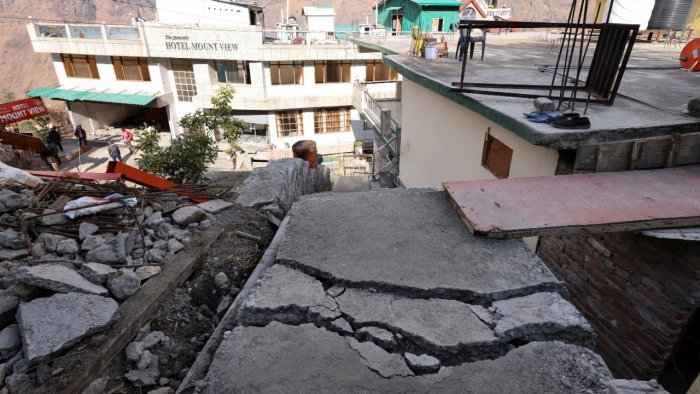



However, 50 years after the verdict of MC Mishra the Government has been following a different trajectory. So, this leads us to ask the question. How can we prevent a second disaster from happening even after the devastating flood of Kedarnath in 2013 what has changed after that? People do not have a roof over their heads, and hotels demolished but Megaton Projects are being carried out affecting the whole ecosystem. At present, 4 Hydropower initiatives with a mixed projected value of 1.9 billion are presently beneath buildings in Uttarakhand. In 2016, Hill Road Expansion, or Char Dham, a mega project stretching 900 km to connect the 4 Temples, was under construction. The expansion has been done knowing that it could be an Engineering Disaster possessing a serious threat to an already vulnerable valley. Overall, the problem can be classified as a problem of sustainable development. Now more cracks are being discovered in places situated near the Char Dham route or near the railway tunnel zone. Nearby towns Karnaprayag and Gopeshwar in Chamoli District, Ghanbali in Tehri District, and several other towns could suffer a Joshimath-like fate. However, it is depressing what successive governments have done to resolve this in the last 50 years despite always knowing the state’s vulnerability. (The author is a student from the Department of Mass communication, Journalism and Media Studies, Cotton University. He can be reached at bharadhwajpritam@gmail.com)