



By: Dipak Kurmi
Ample discourse and literature have already tackled the interplay of ideology and curriculum, particularly the power dynamics that resulted in the removal of specific chapters, paragraphs, illustrations, and information from NCERT school textbooks. While the liberal/left academic community voiced their dissatisfaction and distress over this politically-motivated deletion, the academic bureaucracy overseeing the NCERT justified this action as a means of “rationalization” or lightening the academic load to alleviate the stress experienced by students.
Throughout the course of this debate, we have witnessed intriguing analyses regarding the gradual ascent of Hindutva and its strong desire to dictate and mold the knowledge presented to students. Moreover, we have also witnessed the repercussions of the shift in power dynamics – specifically, the manner in which the ideologues of hyper-nationalism have supplanted liberal/left-leaning historians and social scientists as the new authoritative figures empowered to determine what our youth are exposed to in the classroom. Nonetheless, amidst this intense debate and ideological conflict, what appears to be overlooked is the actual reality of classroom interaction – specifically, the lack of agency afforded to teachers and the natural inquisitiveness of young learners.
Related Posts:
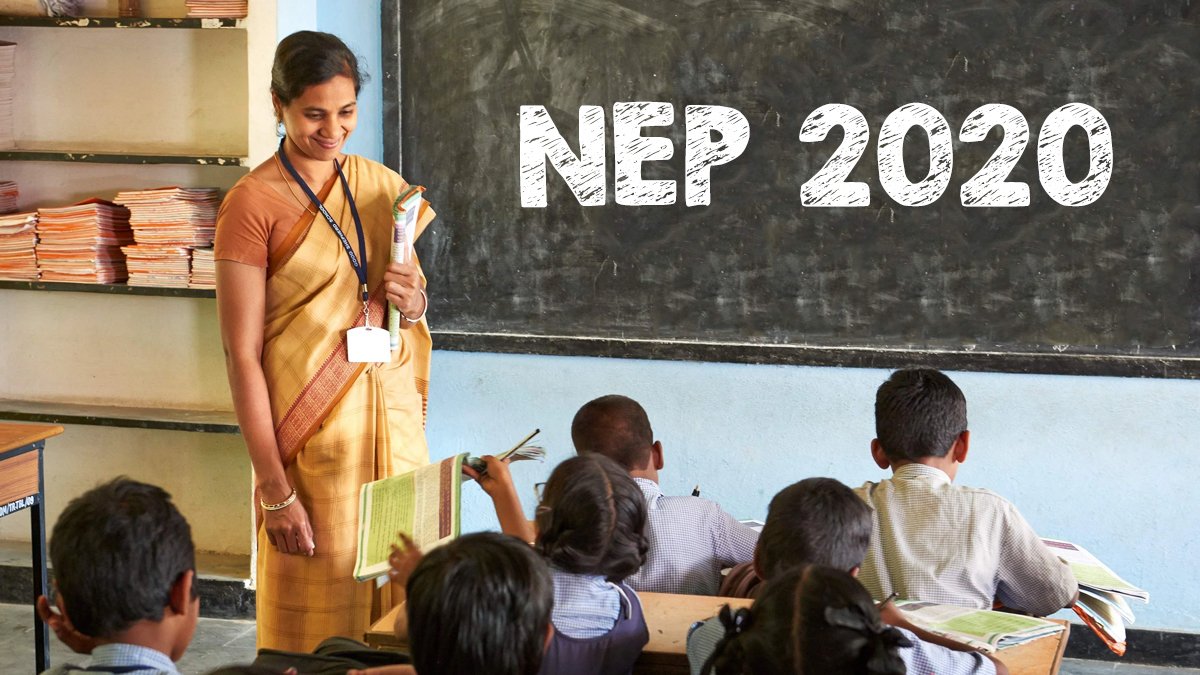
Let us acknowledge the truth that our academic superiors, regardless of their political affiliations, have not given sufficient attention to the process of routine teaching and learning in overcrowded classrooms. As a matter of fact, schoolteachers have been reduced to mere intermediaries between their students, who are seen as passive recipients of knowledge, and the prescribed textbooks over which they have no influence. They are rarely encouraged to play a significant role in shaping the curriculum, reflecting on the nature of textbooks, or developing appropriate teaching strategies. The responsibility of deciding what should be included in the curriculum falls on the shoulders of renowned figures such as university professors, scholars, the liberal/left intelligentsia, or right-wing ideologues in modern-day India.
It is not surprising that the role of a teacher is often reduced to simply imparting the information provided in the textbooks, while instructing students to memorize the text and regurgitate the information in a mundane and unimaginative manner during exams that only require rote learning. Furthermore, when the contents of the syllabus and accompanying textbooks, or even strategically-chosen guidebooks, dictate what is deemed valuable to learn and nothing exists beyond their scope, the creative freedom of teachers is inevitably stifled.
A system that prioritizes testing and examinations based solely on the “official” syllabus is likely to discourage both teachers and students from practicing the art of what Brazilian educator Paulo Freire referred to as “problem-posing” education. For instance, if the revised NCERT textbook deliberately omits information on the politics of Nathuram Godse that led to the assassination of Mahatma Gandhi, let it be so. Why should teachers and students feel compelled to look beyond the text, inquire further, question the “sanctity” of the book, and uncover what the text seeks to conceal? Or why should they bother exploring topics outside the confines of the syllabus – such as the atrocities of the Emergency, the violence of the 2002 Gujarat riots, and the questions raised by the Narmada Bachao Andolan regarding development, displacement, and ecology?
While it is valid to criticize the right-wing’s attack on textbooks, it is uncertain whether the inclusion of perspectives from eminent scholars like Romila Thapar and Krishna Kumar in NCERT textbooks would bring about any significant change in our classrooms, where non-reflexive and non-dialogic education is the norm. In fact, in an era where standardized tests focused on multiple-choice questions and a neurotic fixation on achieving 99 percent marks in board exams prevail, everything is turned on its head. A poem by Pablo Neruda or Kamala Das, or a thought-provoking cartoon by RK Laxman, intended as pedagogical tools, are reduced to mere two-mark questions – objects of quick consumption through rote learning. Let’s face it – the system values the mechanical production of “toppers,” not necessarily thinkers, potential researchers, or creative minds.
To truly care about our children’s education and its quality, we must move beyond the political and ideological conflict between left-wing and right-wing groups regarding the authorship of NCERT textbooks.
We must aspire for an education system that trusts and nurtures the creative potential of teachers and students alike, and embraces critical thinking and dialogue as tools for liberation. Picture a classroom that is dynamic and alive, where students and teachers engage in discussions that transcend the boundaries of the official curriculum. Consider a scenario where a Class XII teacher encourages her students to read Bhagat Singh’s diary, compose essays on Gandhi’s prayer meetings during 1947-48, or analyze the stories of Manto. Or imagine a Class VIII student borrowing the works of Ruskin Bond and RK Narayan from the school library, and proposing a literary discussion to his or her teacher. This approach entails viewing textbooks; even those penned by esteemed scholars, as a mere catalyst for learning, and then moving beyond it. When this creative and critical mindset is honed, children naturally develop the intellectual capacity to question, scrutinize and go beyond the syllabus, prescribed textbooks, and the dominant ideologies propagated by toxic social media and propaganda machinery.
However, does anyone truly care about the process of selecting and hiring individuals who are genuinely passionate about teaching, especially in the context of school education? And who takes the initiative to promote a creatively nuanced critical pedagogy that goes beyond the contents of texts labelled as ‘leftist’ or ‘rightist’ – whether it be works on Gandhi or Savarkar, Aurangzeb or Shivaji? (The author is a Guwahati-based journalist and commentator who can be reached at dipaknewslive@gmail.com)