
HT Correspondent
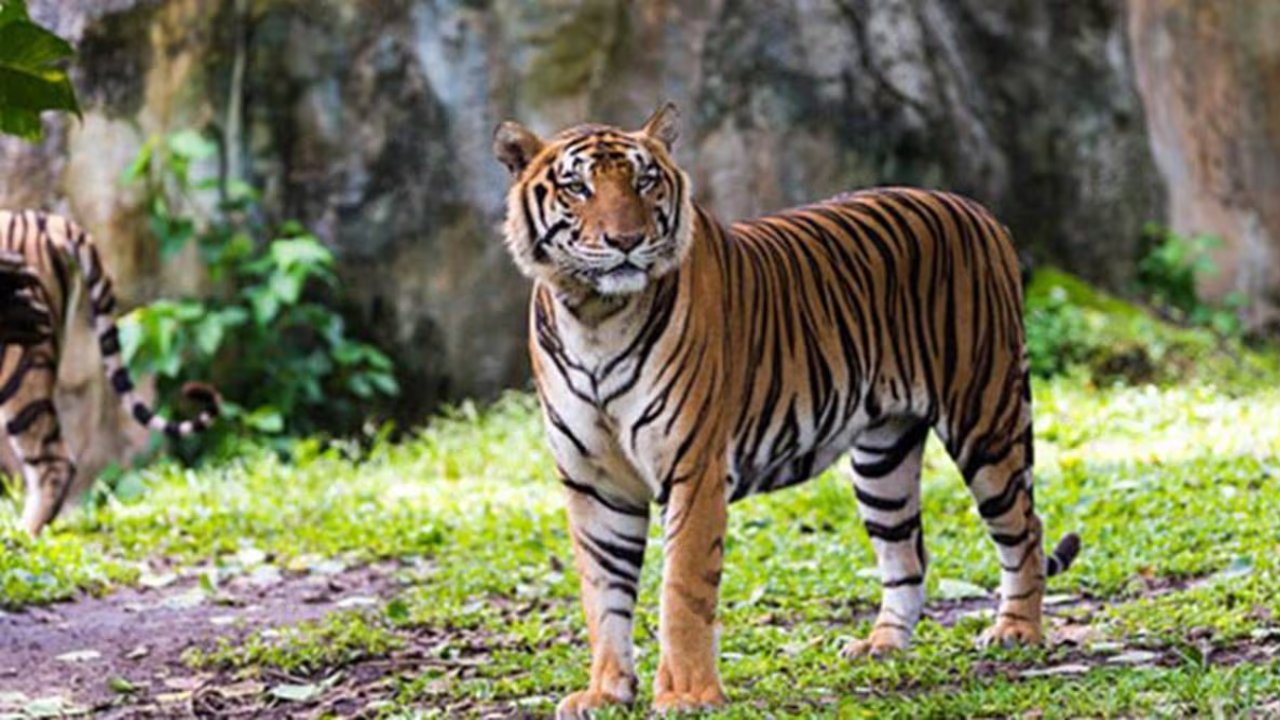
DIMAPUR, Feb 25: Nagaland University researchers have proposed a holistic conflict mitigation approach integrating ecotourism-based measures, community participation and geospatial technology to address the rising human-tiger conflicts in Uttarakhand, particularly in the transitional buffer zones around Jim Corbett National Park.
The varsity researchers study highlights that increasing human-wildlife conflicts, driven by ecological degradation, climate change and expanding human activities have intensified significantly in recent years.
Related Posts:




The research calls for urgent and coordinated interventions combining ecological conservation, technological monitoring and active community engagement, terming them as essential to prevent further escalation of human-tiger conflicts and to ensure sustainable coexistence between humans and wildlife.
Uttarakhand, known for its rich biodiversity and high tiger population, has witnessed growing incidents of human-tiger encounters due to habitat loss, human encroachment and rising pressure on natural resources. These conflicts have resulted in loss of human life, livestock damage and widespread fear among local communities, particularly in the districts of Pauri, Almora and Nainital, a varsity release said on Wednesday. Focusing on the eastern transitional buffer zone of Jim Corbett National Park near Ramnagar and surrounding villages, the research analysed spatiotemporal trends in human-tiger conflicts over three decades (1991–2025). The researchers integrated two GIS-based modules—an ecological module and a human-tiger conflict module to assess changes in land use, habitat area, population density, tourism pressure and conflict incidents. Based on this analysis, the study identified four categories of human-tiger conflict risk zones: low, moderate, high and very high.