
HT Correspondent
DIMAPUR, March 10: An ongoing research under the National Innovation Foundation aimed to build a comprehensive database of indigenous herbal practices, grassroots innovations and medicinal plant resources of eastern Nagaland.
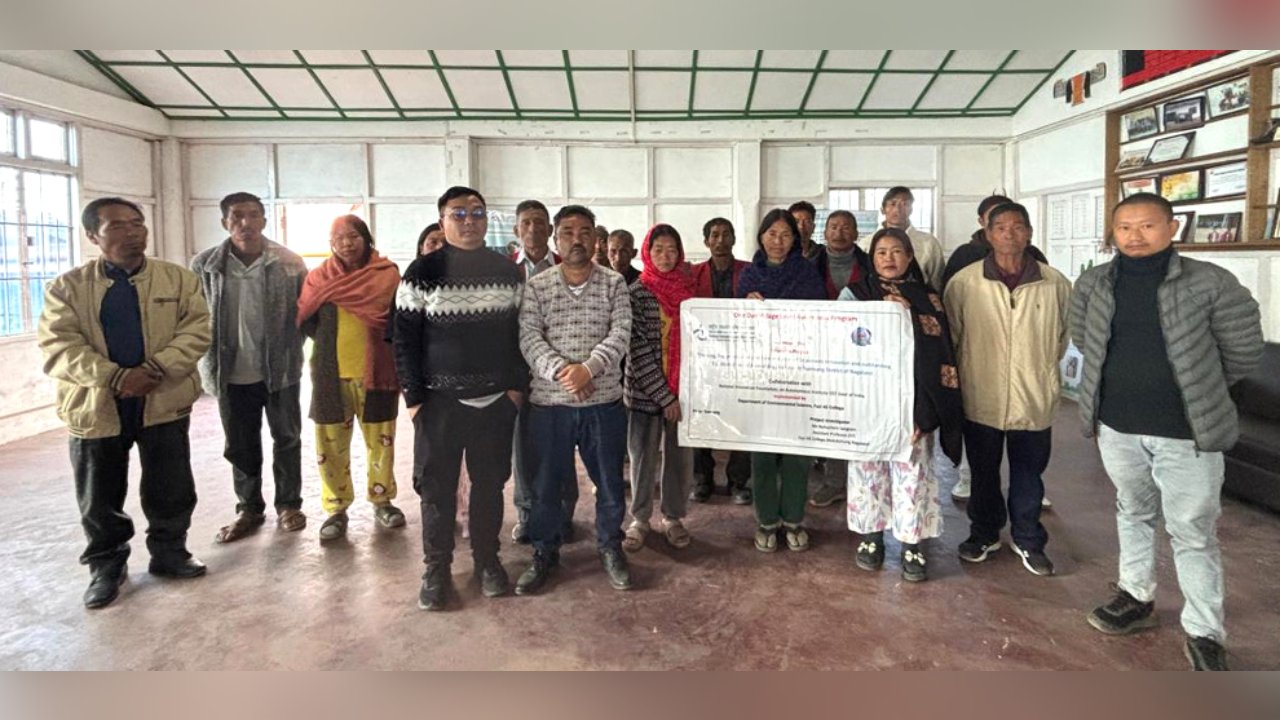
The research study titled “scouting and documentation of local grassroots innovators and traditional herbal practices in Tuensang district” is being undertaken by Nohochem Sangtam, head of the department of environmental science at Fazl Ali College, Mokokchung.
Related Posts:


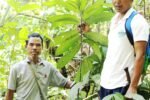
The research primarily focuses on the documentation of indigenous medicinal knowledge, traditional herbal healing practices and the identification of local grassroots innovators among tribal communities in eastern Nagaland.
The study aims to record valuable traditional knowledge preserved by village elders, herbal practitioners and local innovators who continue to rely on nature-based solutions for healthcare and livelihood.
The research believes that focused research efforts in this region will play a vital role in preserving indigenous wisdom, promoting grassroots innovation and strengthening community-based knowledge systems for sustainable development.
Extensive field visits were conducted from January 2025 to March 2026 across several remote villages in Tuensang district.
As the research progressed, the scope of the study was further extended to the newly created Noklak and Shamator districts, where additional field documentation and community interactions were carried out.
During these field surveys, the researcher interacted closely with traditional herbal practitioners, village elders, grassroots innovators and community leaders to document the medicinal use of various plant species available in forests and surrounding ecosystems.
The research findings indicate that many rural communities in eastern Nagaland continue to depend heavily on locally available medicinal plants and herbal remedies for treating common ailments such as fever, stomach disorders, wounds, infections, skin diseases and other health-related conditions. Traditional knowledge relating to plant identification, preparation of herbal medicines and treatment techniques still plays a crucial role in local healthcare systems, especially in remote villages where modern medical facilities are limited.