

By: Kamal Baruah
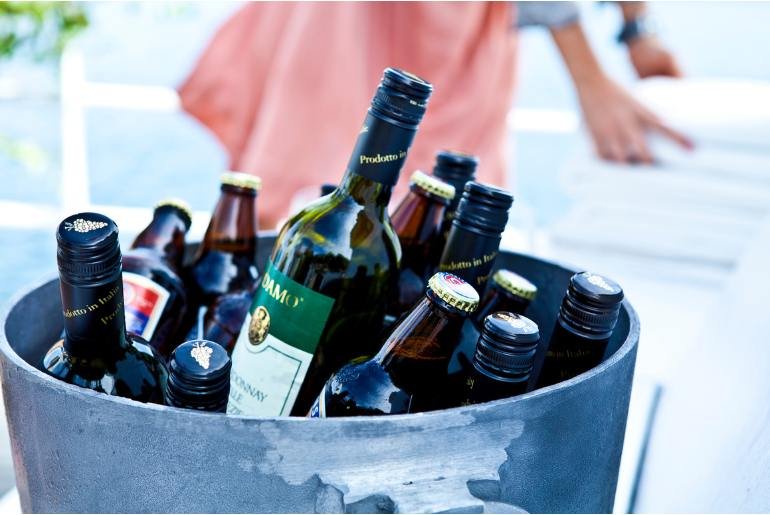
I wonder where they hide booze. In dry Gujarat, bootleggers have been smuggling foreign liquor by finding innovative ways from neighbouring states into Gujarat. They are allegedly involved in selling Indian made foreign liquor (IMFL) and spurious country-made liquor too. Last Sunday at OTT platform, the trending movie ‘Raees’ projected how trafficking takes place by sea or land through the porous coastal line. The administration knows about it despite having very stringent check and balance system in place although it’s very difficult to put an end to it because the networks are very strong. However the state saw liquor seizures off and on.
Gujarat has been dry for much of its existence since 1949, when the Bombay Prohibition Act was enforced. Even as the prohibition law gets tough with locals, the state government has been easing it for outsiders / visitors from other states, tourists and foreigners to promote tourist and business. Isn’t it a warning shot when booze spurs liver transplants more than one third due to alcohol-related complications? Neighbouring Diu Island sets up as the premier alcohol tourism destination for some millions oftourists. It’s not that many actually drink as most of them are abstain from alcohol.
Related Posts:



Nevertheless liquor forms a massive boost to excise duty collections. Tamil Nadu, Haryana, Maharashtra, Karnataka and Uttar Pradesh are the top 5 states to earn from the revenue generated by the liquor sale. Meanwhile Bihar also became a dry state since 2015. And now Assam coincidentally follows along behind.
When we were young and full of life, Shillong called us at a distance by beckoning for wine and dines. These days two words multiplesignage ‘Open Shop’ on NH-40 in Guwahati-Shillong Road caught me befuddled to absorb such display. Like all national highways, where sale of liquor is banned, the wine shops in Meghalaya also had to down their shutters but they overcame it by putting up such signage next to the closed metal shutters. It revealed the code. That’s a smart way to overcome a ban. Open Shop is a disguised wine shop to any outsiders.
When I moved as a solitary wanderer in the western part of India, I witnessed somewhat typical experience. The state has a powerful mercantile ethics and there is a mad rush in search of liquor thereby bottles sells in blackmarket at a premium price even at double and sometimes triple the price with greater economic prosperity. While military CSD canteens provide accessto liquor at less than market rates to soldiers. Drinking scotch may become a habit but this move is going to hurt soldiers’ pockets too.
Wine was a warrior’s drink for most of history. The Romans realized how boldly the Greeks fought; they integrated the liquid courage into their system. Millennia warriors consume alcohol in the form of wine, thus it became intertwined into military traditions. It’s not unusual to find soldiers sipping alcohol or smoking cigars moments before a war. Most soldiers claim that intoxication helps them keep calm in life-threatening situations. Soldiers would always take wine along even when travelling far distances.
Consequently liquor isleaking out in the black market as defence personnel have their quota; so even if some do not engage in drinking liquor, some pick up their entire quota of liquor to sell outside. Even the IMFL brands have seen an exponential rise in price in the black market; I was once tempted to sell my monthly quota that I made a good deal but knew to be wrong or unwise later.
“Kemcho”– the ‘Kaka’ (uncle) arrived with his traditional ‘Chorn’ (stitch dhoti), ‘Kediyu’ (frock type kurta) and ‘Phento’ (layered cloth turban) at our doorstep after the last month deal. Our little daughter gave a yell of fear “Mummy, bottle uncle aaye hain”. The deal turned out to be a huge disappointment to the ‘Gujju’ that time as I vowed not to do anymore. The worst fears had been realized. On the other hand Armed Forces’cocktail tradition will probably live on as long as wars exist and to help soldiers overcome challenges. Lifestyles choices may be in the rocks for civilians that fail to dissuade wine lovers from drinking.