

By: Debisankar Chakraborty
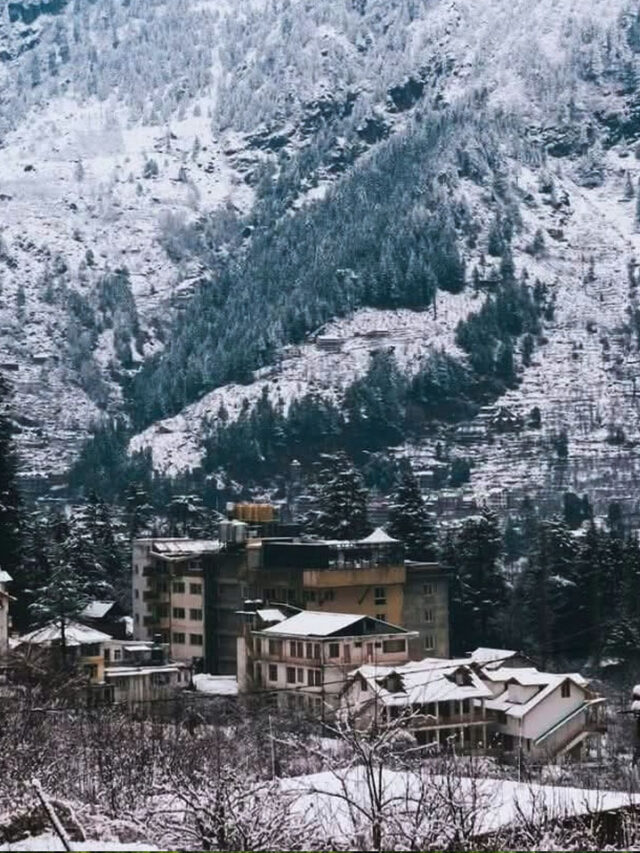
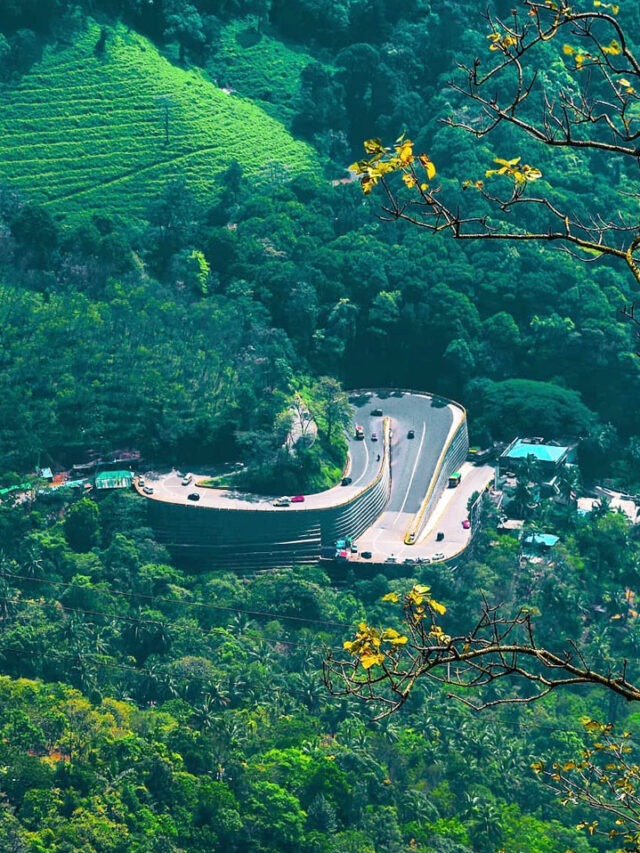
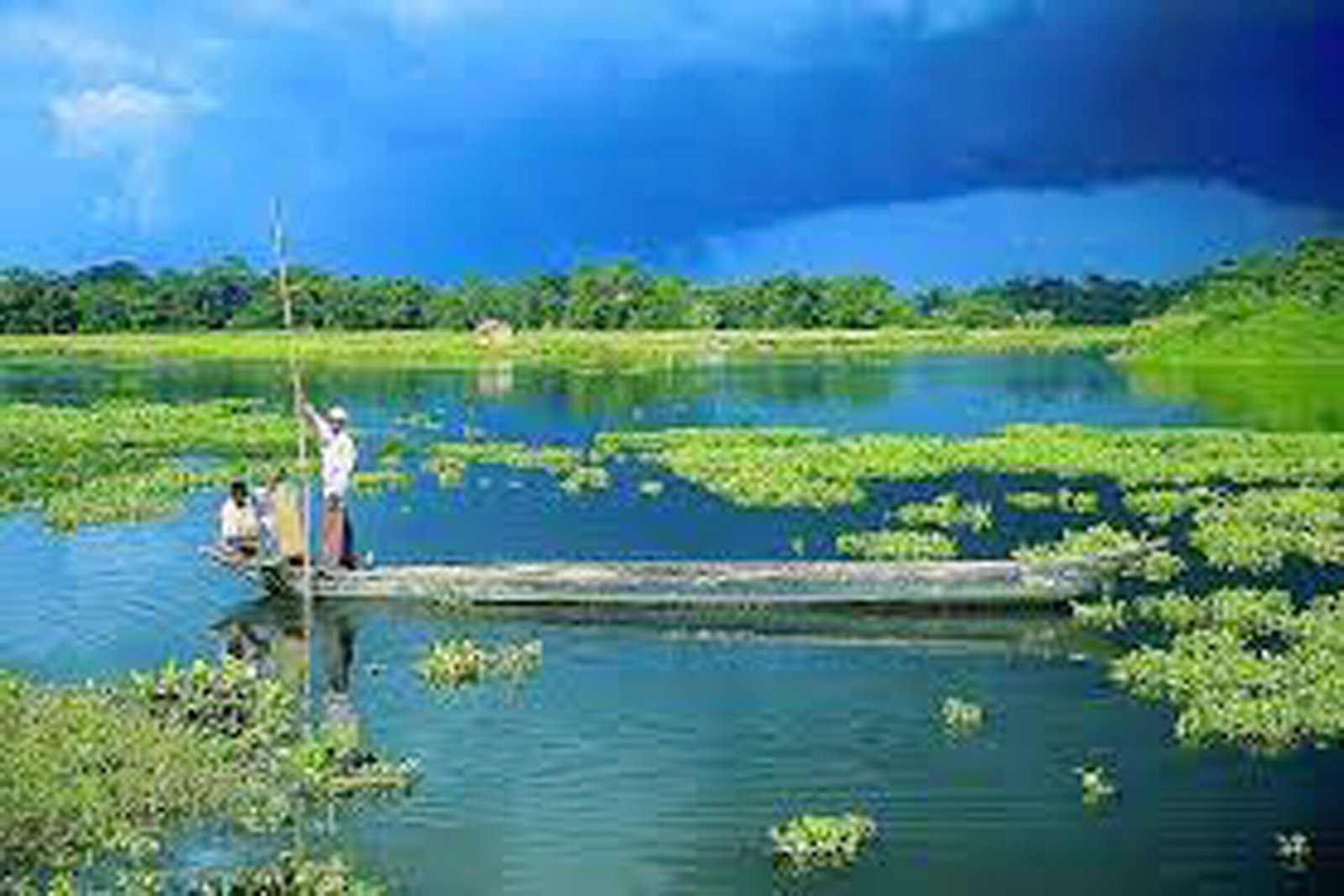
If you are a visitor to the Dima Hasao district of Assam (earlier known as North Cachar Hills) for tourism, you will certainly choose Jatinga in the first place, as you have already known its reputation for a sinister event of bird suicidal, completely unaware, probably, of its real fame of sweet oranges. Harangajao will attract you as well, for its juicy pineapple, if you are a fruit lover. Remember, the queen of hills is awaiting you yet. It is Haflong, the district headquarter, a town about 3160 ft above sea level. If you are disinterested in the mess of concretes, you have the option to discover the beauties of the district. There are untrodden green forests, towering dark blue hills embraced by hanging clouds, rugged terrains, dancing falls, zigzag streams strewn with giant boulders, and above all, the people, happy, smiling, hospitable, and not much aware of how to arrange the next meal. They live in villages in far-flung places, sometimes 30 to 40 kilometers away from the nearest town. Ten to twenty huts on a hilltop may comprise a village. From far it looks as if a flock of birds has come down from the sky to rest on the hilltop. I must warn you that in many a case you won’t find a defined road, even today, to reach the village and on the way, you have to cross fast-flowing rivers and terrains. But things are changing fast in recent years. Imagine, what would have been the situation in the seventies and eighties of the last century, where this account spreads.
Dr. Shibsankar Chakraborty set his foot in Haflong just after obtaining his M.B.B.S. degree from the prestigious Guwahati Medical College in the year 1973 to serve the people of the district, neither in the capacity of a Govt servant nor by setting a chamber in the town to practice privately for earning money. Vishwa Hindu Parishad (VHP) had already set up a hostel there for the tribal students, in their benevolent gesture, so that the children might stay there free of cost and get an education. Dr. Shibsankar was provided boarding and lodging in the hostel, like any other student, free of cost. Ramanand Sharma, in charge of the hostel and a profound worker of VHP, welcomed the doctor into the hostel. Arrangements were simple, mainly due to the paucity of funds and course because of the nature of the lifestyle of the organization.
Related Posts:
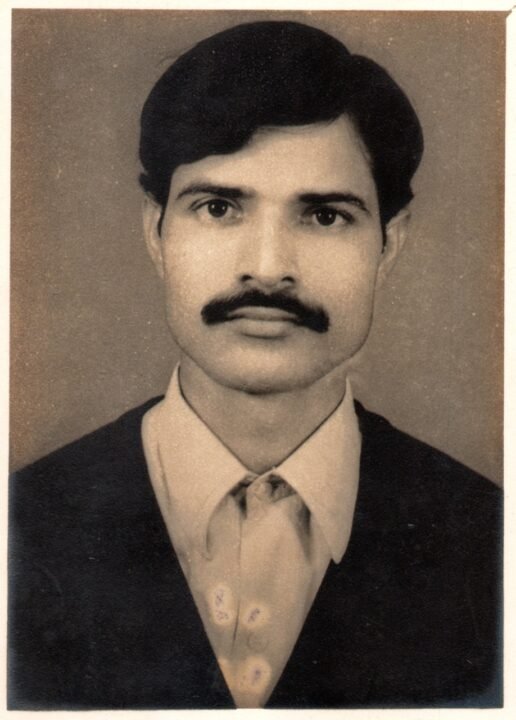
Dr. Shibsankar is the son of Dr. Khagendra Chandra Chakraborty, a medical graduate from Mitford Medical School of Dhaka, and Sushama Chakraborty. They hail from Bikrampur of Dhaka of undivided India. In early 1950, a riot broke out in East Pakistan killing and torturing Hindus. The family of senior Dr. Chakraborty, himself a member of ‘Anushilan Samiti’, the breeding place of freedom fighting revolutionaries when it was active, being unable to bear the brunt anymore, crossed the border in February 1950, not to return. Dr Shibsankar was his third son.
According to Ramanand Sharma, who passed away in early 2022, the original inhabitants of the district, comprising mainly of the Dimasas, Jemi Nagas, and Rangkhols, had no affection for modern medicines in the period under concern. Instead, they relied on black magic, quack remedies, occult, exorcist, ghost, casting an evil eye on someone, etc. Poverty and illiteracy to an extent unimaginable to the maximum people of this country, forced the tribal people into the state of such occult beliefs for a cure and away from modern medicines, unaffordable to them. In the scenario, the role of the Christian Missionaries is worth mentioning. They were in tireless effort to allure the people with what not, in their sole agenda of conversion under the cover of social service. The tribal people did not like to change religion. Rather, they preferred to stay along with their exorcists and beliefs.
Dr. Shibsankar’s arrival was welcomed by the people when they saw that he had no hidden agenda. He used to walk to those villages 30/40 km away upon hearing of any serious patient there (really hard to believe) and it was a regular event. VHP had no car or funds to provide conveyance to the doctor, but it was no hurdle to him. Even he travelled in the goods train, rail engines, shuttle trains, up to Mahur, Maibang, etc. to continue his next phase of journey on foot to different tribal bustees for his mission. In the event of the spreading epidemic, he rushed similarly and stayed in the bustees for several days. Only on his return from the epidemic spot could the account of his activity there be known from him. The villagers gradually started to accept medicines from him. His sweet behaviour made him very popular and they lovingly called him ‘Reheu Babu’ (man of medicine in Jemi Naga dialect) or Doctor Saab. They greeted him as a member of their own family, whereas, in general, they did not like to mix with outsiders.
Dr. Shibsankar made a reputation with the pharmacies of Haflong as well as Silchar. He time and again visited them to collect physicians’ samples and medicines that just crossed expiry dates, which they gladly preserved for him to be used in this noble cause. He felt the necessity of a microscope for pathological tests in the need of treatment and also a projector to conduct health awareness camps in the villages. He asked his younger brother Gourisankar for this purpose. Gourishankar Chakraborty was an RSS pracharak in Assam, who had a friend and classmate named Dr. Anil Jain. They studied masters in nuclear physics at Kurukshetra University. Later, Dr. Jain started a company named Vaiseshika Electron Devices at Ambala Cantt. At Gourisankar’s request, he donated the instruments manufactured in his company, to Vivekananda Medical Centre of the VHP hostel to cater to the needs of Dr. Shibsankar.
Whenever he had to stay in the distant bustees overnight, he remained content with the humble offerings by the villagers, like curry of boiled jungle leaves or dried animal meat. He accepted and devoured the same without hesitation like ‘Neelkantha’. Dr. Shibsankar is not much known to the people of Assam but the elder tribal people of Dima Hasao. Till he breathed his last in November 1987 he selflessly served the poor and bustee-dwellers of Dima Hasao. They loved him like a man and respected him like a god. He always tried to keep himself out of the spotlight and publicity and silently worked for the society of Assam. It is not surprising that he is unknown to the history of Assam as a silent and very useful social servant of that day.
Each day he passed is a chapter and his activities are endless to fit in the space of the present article. In any future episode can the glittering stories of his life, his way of handling the days of emergency in 1975, and his close acquaintance with Padma Bhushan Rani Gaidinliu be presented before the passionate readers.
It still rains in the hills, still, the mountain rivers flow, the birds still chirp in the sunshine, and murmuring wind whispers in the ears of the passers-by saying that once a sainted doctor walked through the jungles to reach the hilltops, where the patients awaited his smiling appearance, to listen to his delightful assurances that it was not the end of life.
(The author is the younger brother of Dr. Shibsankar Chakraborty and graduated from Gauhati University. He has served in the finance department of the Govt of India)