


By: Dipak Kurmi
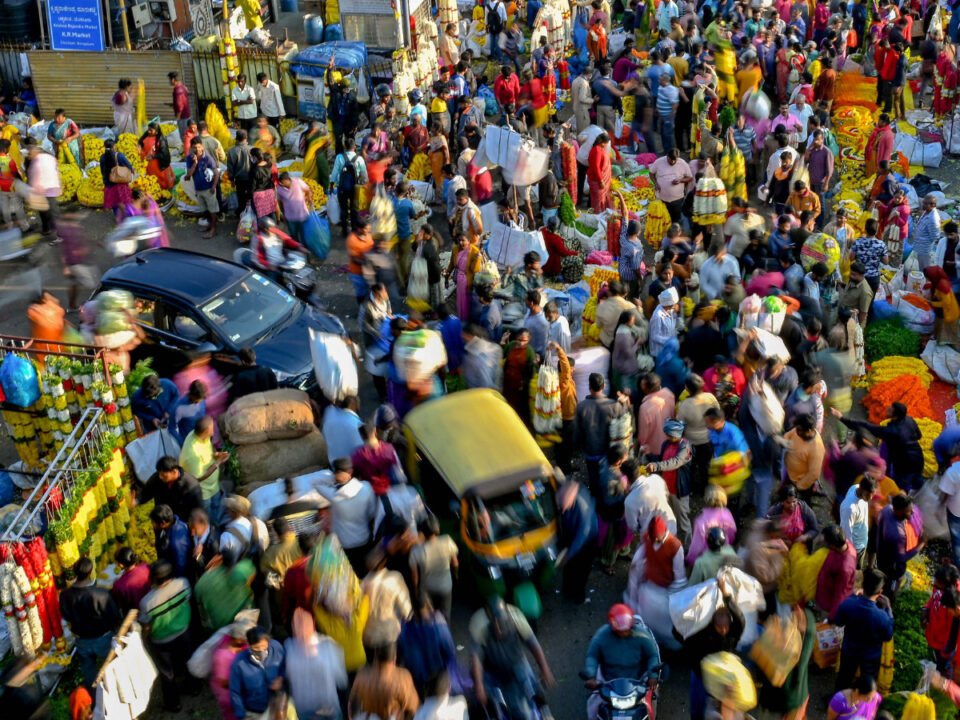
India’s population has grown by 1.56% in the past year and is now estimated to be 1,428,600,000 million (142.86 crore). According to the UNFPA’s State of World Population report, the majority of India’s population, 68%, consists of people aged 15-64, which is considered the working population.
The annual report released recently, which has been published since 1978, indicates that India’s total fertility rate is 2.0, and the average life expectancy of males is 71 years and females is 74 years. The report, unveiled on Wednesday, provides valuable insights into India’s demographic profile.
Related Posts:


The 2023 edition of the report provides an updated view of India’s demographic landscape, indicating a population increase to 1,428,600,000 million (142.86 crore), up by 1.56 percent from the previous year. The report reveals that in 2022, 68 percent of India’s population was aged between 15 and 64 years.
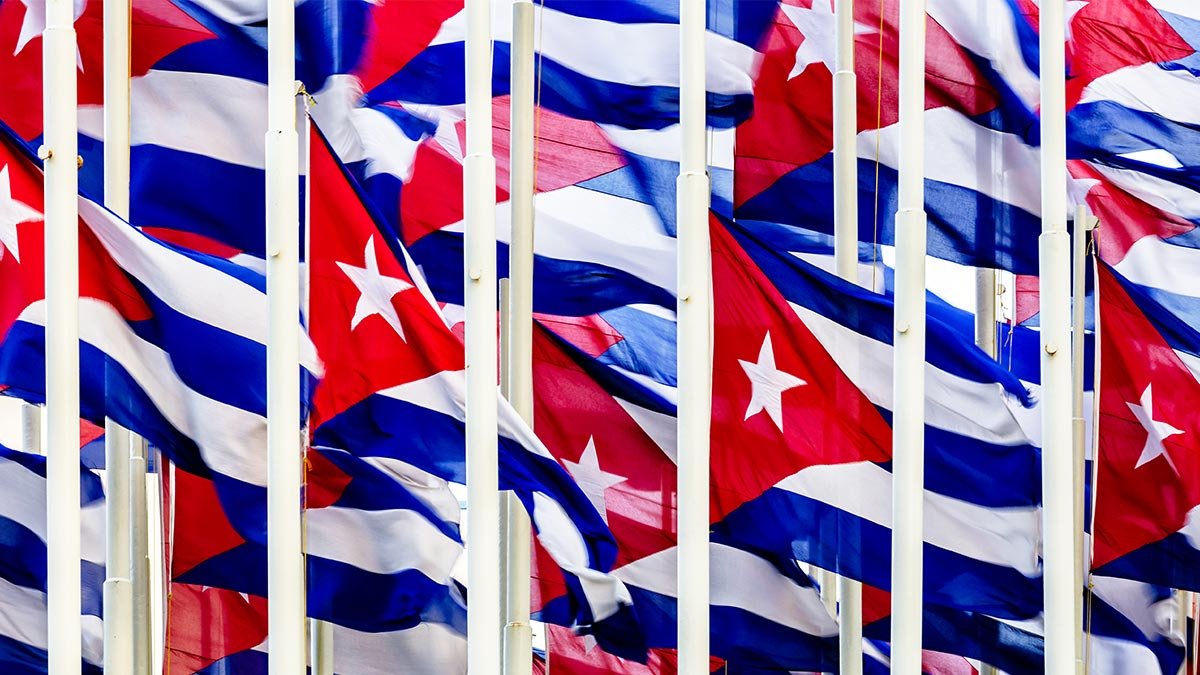
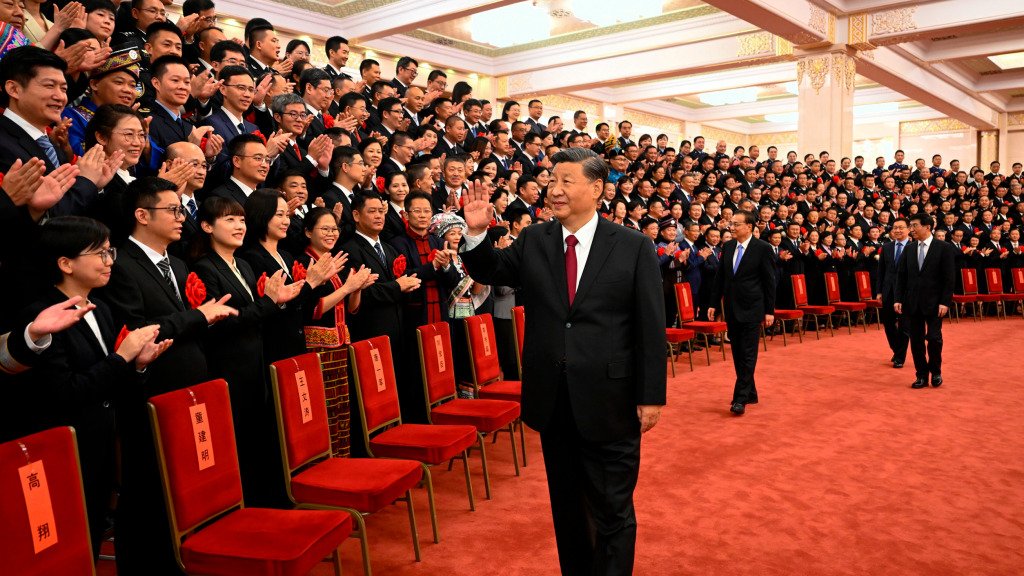
The report compares population statistics across countries and reveals that China’s population has decreased from 1,448.5 million to 1,425.7 million while India’s population has slightly overtaken China’s figures, rising to 1,428,600,000 million. These numbers highlight the population sizes and demographic profiles of the two nations.
The latest report, “8 Billion Lives, Infinite Possibilities: the case for Rights and Choices,” draws attention to a global issue. It reveals that 44 percent of partnered women and girls lack the freedom to make informed decisions about their bodies in 68 surveyed countries, including sexual activity, contraception, and healthcare services. Additionally, an estimated 257 million women worldwide have an unmet need for safe and reliable contraception. These figures highlight the urgent need to address women’s reproductive rights and provide them with basic healthcare services.
In the State of the World Population Report, Andrea Wojnar, UNFPA’s representative in India and Bhutan’s country director, emphasized the significance of India’s growing population. She referred to India’s 1.4 billion people as “1.4 billion opportunities,” indicating the country’s potential in terms of human resources and talent. The remark stresses the importance of utilizing this potential by providing better education, healthcare, and other essential resources to empower India’s population.
UNFPA representative, Andrea Wojnar, recognized India’s progress in various domains and the potential of its sizable youth population to drive innovation. She emphasized the need for equal opportunities for women and girls in education, skill-building, access to technology, and reproductive rights to tap into their potential and drive progress.
Dr. Natalia Kanem, the Executive Director of UNFPA, believes that asking the wrong questions about population growth will not lead to progress. Instead, she emphasizes the importance of focusing on the rights and choices of individuals and ensuring access to resources and services necessary for a healthy life. Addressing these issues will pave the way for a better future for all.
Dr. Natalia Kanem stressed that the key question related to population growth is not about the rate of reproduction, but about individuals’ right to decide whether or not to have children. Unfortunately, many, particularly women and girls, face obstacles to accessing information and resources for informed decision-making about reproductive health. By addressing these barriers, everyone can have the right to exercise their reproductive rights and choices, leading to a fairer and more equitable world.
According to the report, population control measures can be detrimental to women’s rights, and governments must prioritize reproductive health and rights. Dr. Natalia Kanem emphasized the need to promote gender equality by ensuring that individuals have the right to make informed choices about their reproductive health without any interference. This approach will support sustainable development and protect human rights for all.
Dr. Natalia Kanem emphasized the need for a shift in our approach to population growth, prioritizing human rights and evidence-based understanding. The report calls for abandoning sensationalized accounts and recognizing that population growth is not the sole determinant of sustainable development. The focus must be on the rights and choices of individuals, particularly women and girls, to create more equitable societies.
Kanem urged leaders to prioritize reproductive freedom and shift their approach to population change. The current lack of reproductive rights for individuals, particularly women, requires a significant change in our approach.
Kanem stressed that family planning should not be used for population control. Rather, it should empower women to make choices about their reproductive health without interference from politicians or other officials.
Important observations relating to India:
As part of the report, UNFPA conducted a survey through YouGov to gather the views of 7,797 individuals from eight different countries, including India, Brazil, Egypt, France, Hungary, Japan, Nigeria, and the United States, on population-related issues.
The survey in India included 1,007 participants and was conducted online. The results were adjusted to represent a national urban sample of adults aged 18 and above.
According to the UNFPA-commissioned YouGov survey, 63% of Indians consider economic issues as the most important population-related concern, followed by environmental concerns at 46% and sexual and reproductive health and rights at 30%. These results suggest that economic stability and sustainability play a significant role in managing India’s population growth.
The survey in India found that most respondents think that the country’s population is too big and fertility rates are too high, with no notable difference between the opinions of men and women.
The survey conducted in India revealed concerns about the country’s population, but it is essential to view population growth positively as a sign of progress and ambition while upholding individual rights and choices. (The author is a Guwahati-based journalist and commentator who can be reached at dipaknewslive@gmail.com)