


By: Dr K. S. Somasekhar Rao
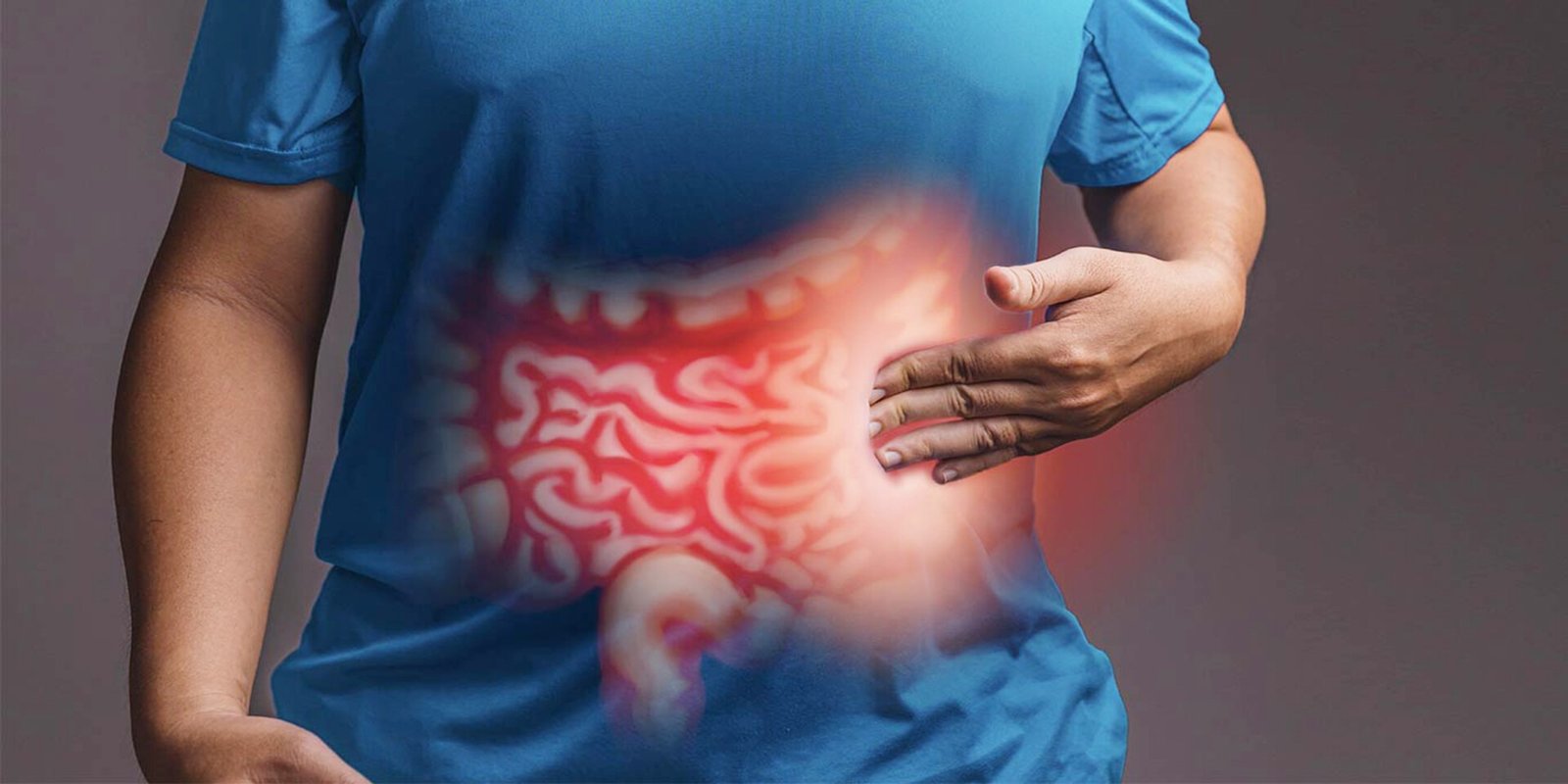
Inflammatory Bowel Disease (IBD) Inflammatory Bowel Disease (IBD) continues to affect millions of people worldwide, causing chronic inflammation and damage to the gastrointestinal tract. As medical researchers delve deeper into the complexities of this debilitating condition, a clearer understanding of IBD’s impact, symptoms, and treatment options is emerging.
IBD encompasses two major conditions: Crohn’s disease and ulcerative colitis. While both conditions involve chronic inflammation, they differ in terms of their location and extent within the gastrointestinal tract. Crohn’s disease can affect any part of the digestive system, from the mouth to the anus, while ulcerative colitis typically affects the colon and rectum. The exact cause of IBD remains unknown, but experts believe that a combination of genetic, environmental, and immunological factors contribute to its development.
Related Posts:




Stress, certain medications, and a compromised immune system can trigger flare-ups in individuals predisposed to the disease. Recent studies have also highlighted the potential role of gut microbiota and the body’s inflammatory response in IBD. Living with IBD can be incredibly challenging. Symptoms vary from person to person, but common indicators include abdominal pain, diarrhea, rectal bleeding, fatigue, weight loss, and reduced appetite. These symptoms often lead to decreased quality of life, disrupted daily activities, and increased healthcare utilization. Early and accurate diagnosis is crucial for managing IBD effectively.
Gastroenterologists typically employ a combination of medical history review, physical examinations, blood tests, imaging techniques, and endoscopic procedures to diagnose the condition. Additionally, advancements in molecular testing and biomarker analysis are enabling more precise diagnoses and personalized treatment approaches. Once diagnosed, treatment for IBD focuses on alleviating symptoms, inducing remission, and preventing flare-ups. Medications such a s anti- inflammatory drugs, immunosuppressants, and biologics are commonly prescribed. In severe cases, surgical interventions may be necessary, involving the removal of affected parts of the digestive tract.
Moreover, adopting a well- balanced diet, managing stress levels, and maintaining a healthy lifestyle are crucial aspects of managing IBD effectively. While there is no known cure for IBD, ongoing research is providing hope for improved treatment options and ultimately, a better quality of life for those living with the condition. Researchers are investigating novel therapies, including targeted immunomodulators and stem cell-based treatments, which hold promise for future advancements in IBD management. Inflammatory Bowel Disease (IBD) is highly prevalent in India. India now has the second largest number of IBD patients in the world after the US. Early diagnosis and initiating the treatment in early stage of the disease may decrease the disease severity and complications. Adelay in making the diagnosis of crohn’s disease (an average delay of atleast 5 years in countries like USA) may lead to complications of the disease like strictures, perianal fistulas, severe malnutrition which may require prolonged and complex treatments. With the awareness about these diseases and with advanced diagnostics, early diagnosis and treatment initiation can limit the complications. (The author is a MD; DM Senior consultant, Gastroenterologist and Hepatologist, Yashoda hospitals, Hyderabad)