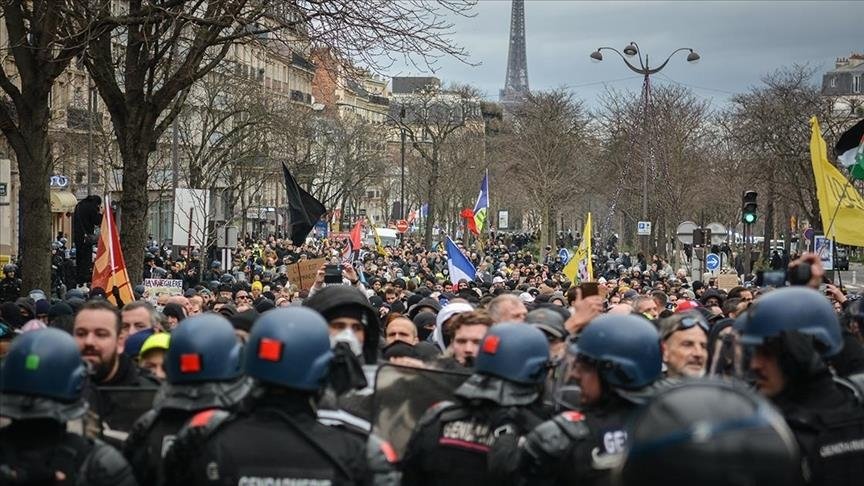



In the wake of the recent shooting and subsequent riots in Nanterre, a suburb of Paris, left-wing parties in France are adopting a different approach compared to the riots that took place in 2005. The political class’s response back then was largely indifferent or ill-prepared, but now, there is a growing understanding and empathy within the left-wing activist community. During the 2005 riots, the banlieues (suburbs) were engulfed in flames following the deaths of Zyed Benna and Bouna Traoré, who were being pursued by the police. The political class, including the Socialist Party, aligned themselves with the government’s positions, while then interior minister Nicolas Sarkozy used inflammatory language that further exacerbated tensions. However, this time around, left-wing parties such as La France Insoumise (LFI), the Green Party, and the Socialist Party are calling for the anger of the protesters to be heard and understood. They condemn police violence unanimously and are finally acknowledging the underlying causes of the anger being expressed.
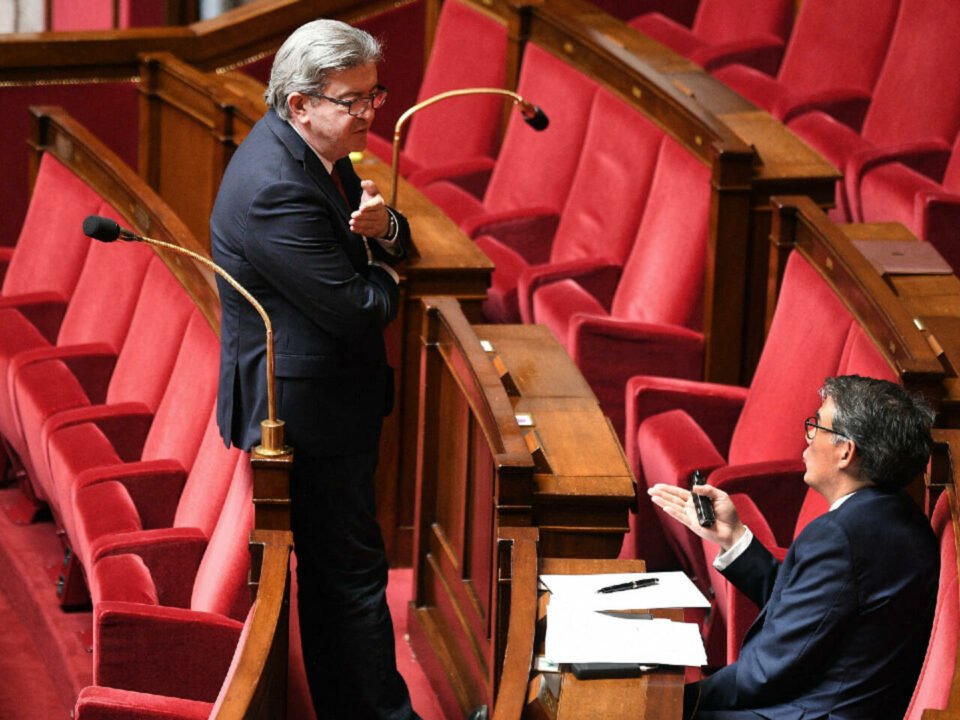
The shift in the left-wing parties’ response can be attributed to several factors. Firstly, recent years have witnessed widespread police repression against social movements and political activists. This has raised awareness among a new generation of activists about the longstanding issue of police violence in marginalised neighbourhoods. Additionally, there has been a growing connection between traditional labour movement organizations and collectives from working-class and marginalized neighbourhoods. The question being asked now is, “Who protects us from the police?” Jean-Luc Mélenchon, a prominent figure in the left-wing political landscape, has also played a role in this transformation. His presidential campaign in 2022 addressed the concerns of inhabitants in working-class neighbourhoods, emphasising police violence, impunity, and the need for an independent police force. Nevertheless, there is still a significant gap between the left-wing parties and the poorest housing projects. The actions of former Socialist interior minister Bernard Cazeneuve, who facilitated easier use of firearms by law enforcement, and the participation of the Socialists and Greens in a police union demonstration in 2021 have not been forgotten.
While there may be criticism directed at La France Insoumise for not calling for calm during the recent unrest, there is a general understanding on the left that the anger expressed by marginalised communities is rooted in legitimate grievances. One of the main concerns is the discriminatory control exercised by the police in these neighbourhoods. The left-wing parties in France are undergoing a significant shift in their approach to social unrest and acknowledging the deep-rooted issues of police violence and discrimination faced by marginalized communities. While challenges and divisions still persist, this evolving perspective marks a departure from the indifference shown in the past and offers hope for a more inclusive and empathetic political discourse. Merely acknowledging the anger and calling for understanding is not enough; tangible policy changes are needed to address systemic inequalities and rebuild trust between marginalised communities and the police. This will require comprehensive reforms in policing practices, investment in social and economic opportunities for marginalised neighbourhoods, and a commitment to dismantling the structures that perpetuate discrimination and injustice. Only through sustained efforts and meaningful change can the left-wing parties truly demonstrate their commitment to the welfare and empowerment of all citizens, regardless of their social and economic background.