

HT Correspondent
SIVASAGAR, Nov 8: Pig breeders in Sivasagar and Charaideo districts are reeling under the devastating impact of the African Swine Fever (ASF) outbreak, which continues to spread rapidly across the region. Over 1,731 pigs have been culled in 29 operations across 30 epicentres in Sivasagar district, while hundreds more have died from the viral infection, many of which have gone unreported to the Veterinary Department.
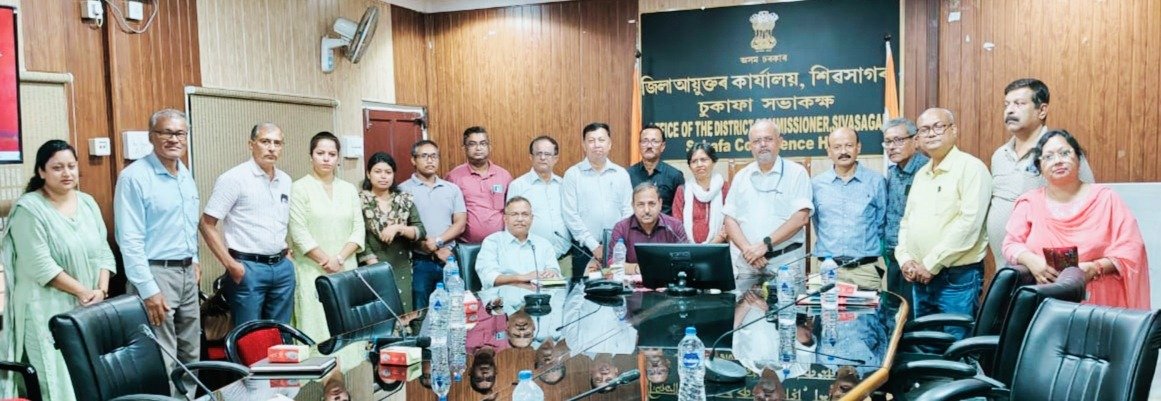
Sivasagar District Veterinary Officer Dr Rajen Sharma informed that a three-member Central government team visited several epicentres on Friday to monitor the ongoing culling operations at Hatimuria Gharphalia Gaon. The visiting experts included Dr Vijay Kumar Teotia Joint Commissioner DAHD, Government of India, Dr Rajkumar, Principal Scientist, ICAR-NISHAD and Dr Malay Das Livestock Officer, DAHD.
Related Posts:

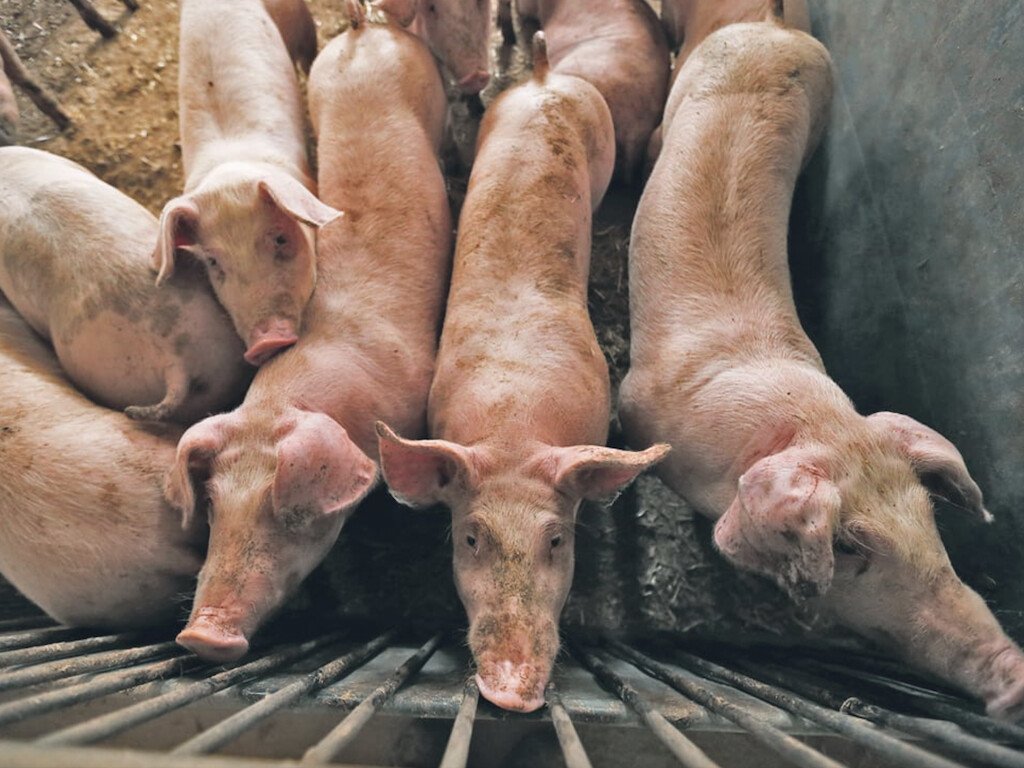
The Central team exchanged information with the state expert group comprising Dr Ripunjay Chakravarty (DVO Jorhat), Dr Bubu Gogoi (DVO Charaideo) and Dr Rupjit Kakoti (DVO Tinsukia) during a meeting at Sukapha Bhawan. They noted that the ASF virus exhibits genetic variation each year, leading to changes in symptoms—while diarrhea was common last year, many pigs this year have shown signs of loss of appetite for several days.
The Pig Farmers Association submitted a memorandum to the visiting team, detailing their heavy financial losses. According to sources, around 95 percent of pig farmers in both districts have been affected by ASF since its initial outbreak in 2019. Areas such as Demow, Nitai-Panidihing, Bokota, Konwarpur, Betnari, Janjhi, Amguri, Nati, Kalugaon, Morapathar, Desangmukh, Dikhowmukh, Dihingmukh, Luthurigaon, Soladhora, Hatimuria and Bailung Gaon remain under active culling operations.
Many farmers who had taken bank loans to start pig farming are now facing severe financial distress. The Krishak Mukti Sangram Samity (KMSS) has demanded immediate compensation and loan waivers for the affected farmers. KMSS secretary Ritumoni Hazarika accused the government of neglecting the crisis, stating that over 2,000 pigs have died in 28 farms across Sivasagar district alone.
Veterinary officials clarified that ASFV can be confirmed only after laboratory reports from Guwahati. Meanwhile, both district administrations have imposed a complete ban on the sale and transport of pigs to and from affected areas. However, reports indicate that pork trading continues in several localities, with some traders allegedly importing pigs from Punjab and Haryana with police collusion. The administration has been urged to take strict action against such illegal activities.
The Veterinary Department has issued directives to all primary centres to conduct pre-monsoon vaccination drives for pigs, cattle, goats and poultry to prevent further disease spread. Many farmers reportedly avoid notifying pig deaths due to the lack of compensation from previous outbreaks.
Despite the state government’s focus on development in other sectors, the Veterinary Department appears to be lagging behind. Many veterinary doctors and field assistants reside away from their designated areas, affecting timely service delivery in remote villages. Several facilities, including Katiori Dispensary and veterinary hospitals at Charing, Namti Karunasaga and Nitapukhuri are in a dilapidated state.
Due to poor infrastructure, lack of field supervision and administrative apathy, the department has failed to meet the expectations of animal rearers, turning what could be a vital economic sector into a burden for rural farmers and the state’s economy.