

HT Correspondent
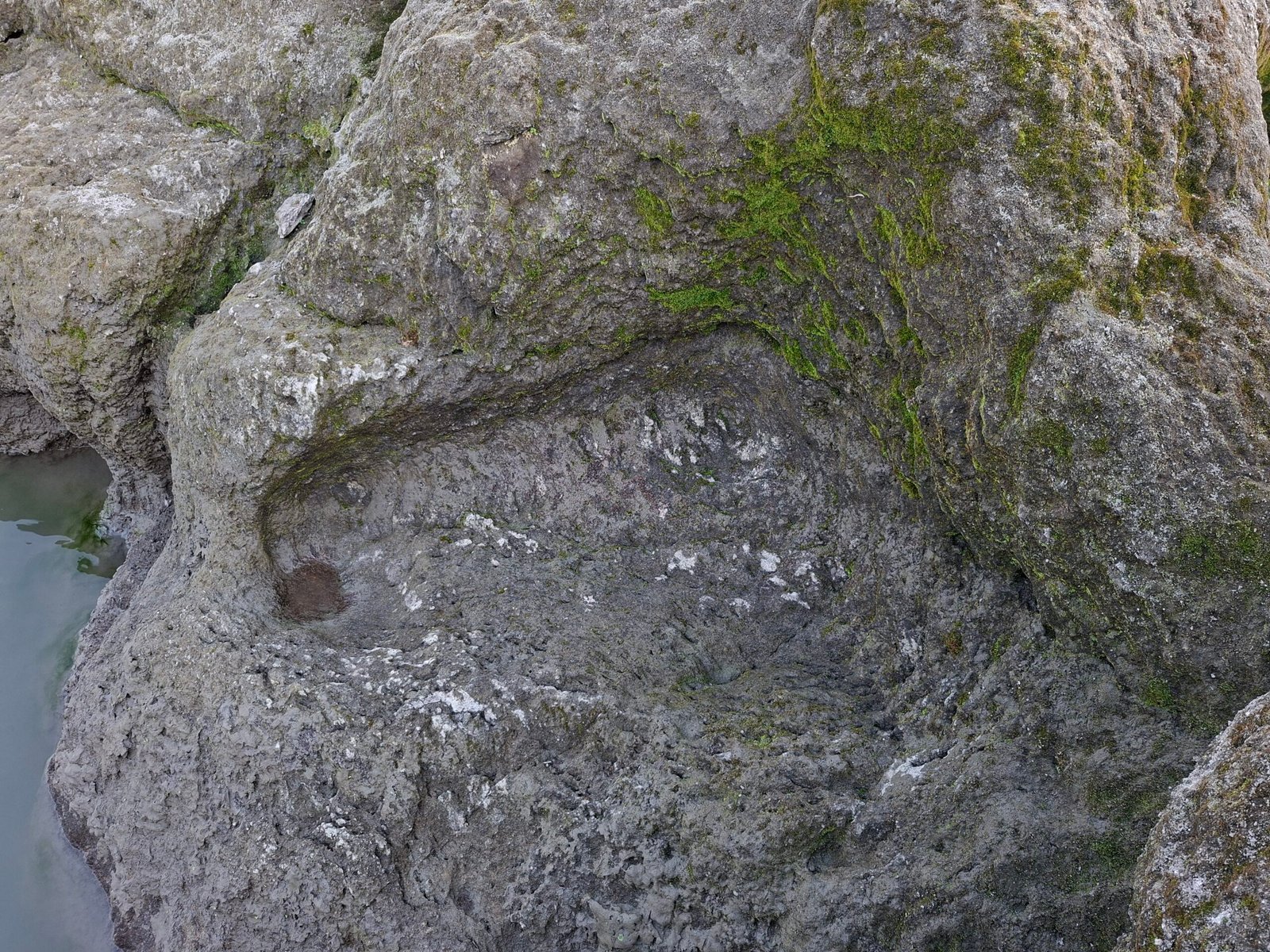
DHUBRI, Feb 22: A spiritual phenomenon has gripped the historic riverbank of the Brahmaputra on Sunday as the legendary footprint of Netai Dhubuni resurfaced on the “Pathar-ghat” (Stone Ghat) for the first time in three decades.
This deep-rooted spiritual connection provides a profound backdrop for any narrative about Dhubri. While historians debate the origins of names and legends, the Rajak (Dhobi) community of Dhubri has always looked toward the Brahmaputra with a different kind of certainty.
Related Posts:



For them, the Netai Dhubuni Ghat is not just a riverbank—it is the site where their Kul-Devi (Clan Goddess) walked, a fact recently solidified by the reverence surrounding the emergence of her symbolic footprint at Longitude 26° 1’ 24.1104” and Latitude 89° 59’ 44.3076”.
For the Rajak family, the act of washing clothes transcends labor; it is a sacred ritual inherited from Netai Dhubuni. In the Manasa Mangal and Padmapurana, she is depicted as a woman of “Siddha” (spiritual power) so immense she could breathe life into the lifeless.
By performing the same craft as their Goddess, the community finds a unique sense of dignity and spiritual pride. The belief that she brought Lakhinder back to life gives the community a sense of protection, viewing her as a maternal figure who watches over every household.
“For the world, she is a character of folklore; for us, she is the mother whose presence is felt in every ripple of the Brahmaputra,” says a community elder. This belief ties the Rajak community directly to the origin of the name “Dhubri.”