


HT Bureau
DIPHU, May 2: A coalition of Karbi civil society organisations has strongly opposed certain provisions of the Memorandum of Settlement (MoS) signed between the Government of Assam and Kuki groups on March 15, 2026, particularly those relating to the proposed creation of a Kuki Regional Council in Karbi Anglong.
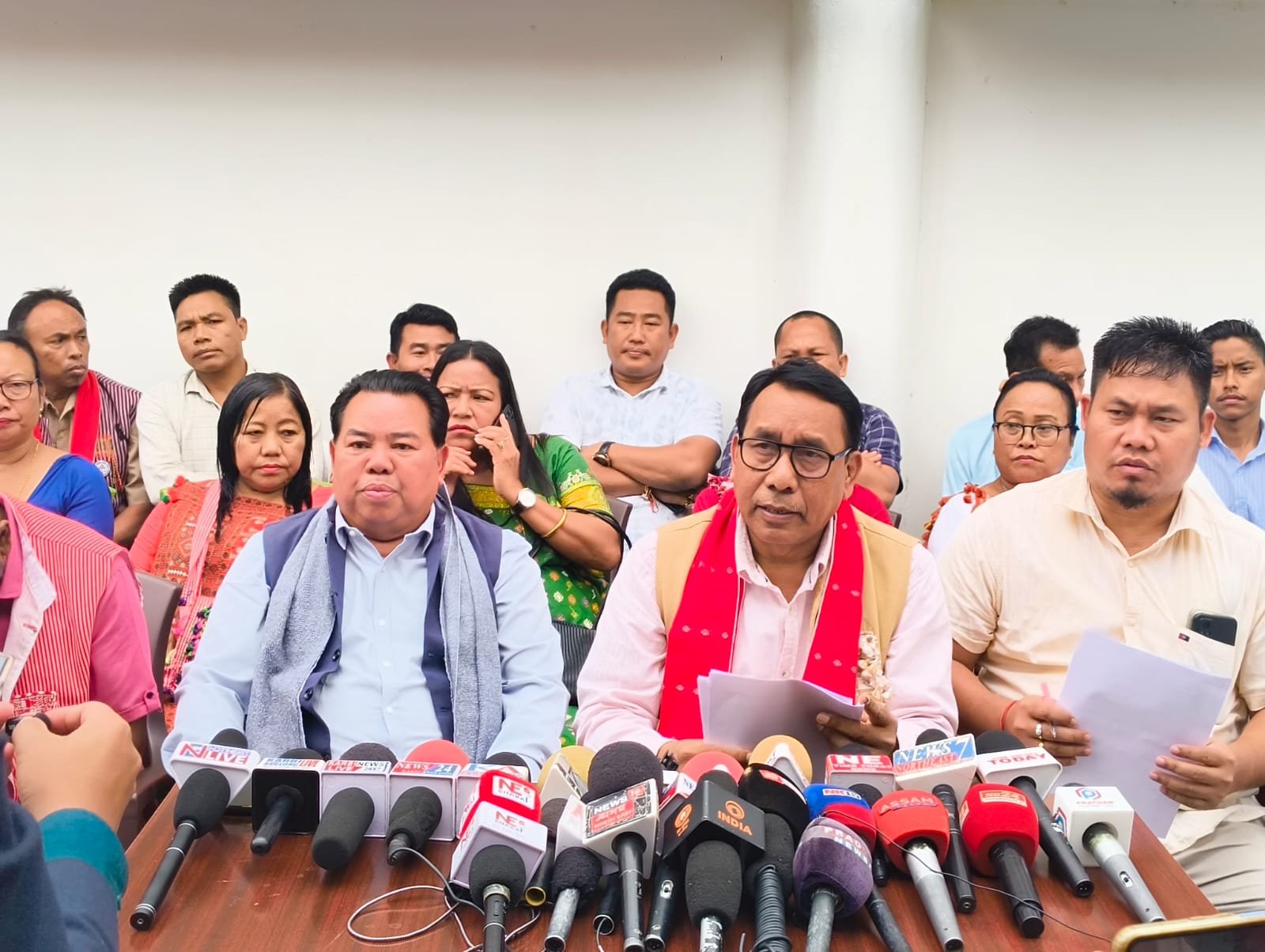
The organisations—including Karbi Cultural Society (KCS), Karbi Students Association (KSA), Karbi Lamet Amei (KLA), Karbi Anglong Women Justice Forum (KAWJF), Joint Action Committee of Autonomous State (JACAS), Hills Tribal League (HTL), All India Karbi Students Union (AIKSU), and several others—voiced their concerns at a joint press conference held at the KCS Central Committee office in Taralangso.
Related Posts:




KCS president Humsing Bey alleged that Karbi political leadership and civil society were excluded from the negotiation process.
“The Karbi people were completely ignored in an accord that directly concerns Karbi Anglong’s land and polity. The Assam Government cannot and should not represent the Karbi community without its explicit consent,” he said.
The organisations demanded immediate removal of all clauses in the agreement that pertain to Karbi Anglong, warning that failure to do so would lead to strong democratic resistance.
They also accused the state government of undermining the autonomy provisions guaranteed under the Sixth Schedule.
While describing the Karbi community as peace-loving, the groups cautioned against any move that could create tension or disrupt the region’s political and social stability.
They also urged residents to remain vigilant against developments that may affect the territorial integrity and unity of Karbi Anglong.
Raising environmental concerns, the organisations highlighted the ecological and cultural importance of the Singhason and Khonbamon hills, calling them critical to the region’s biodiversity and water security.
They opposed any extension of the accord to these areas, citing their deep cultural and ancestral significance.
The groups further expressed concern over increasing environmental degradation due to deforestation and unregulated activities, stressing the need for stronger conservation efforts and community participation to ensure sustainable development in East Karbi Anglong.