


By: Dipak Kurmi
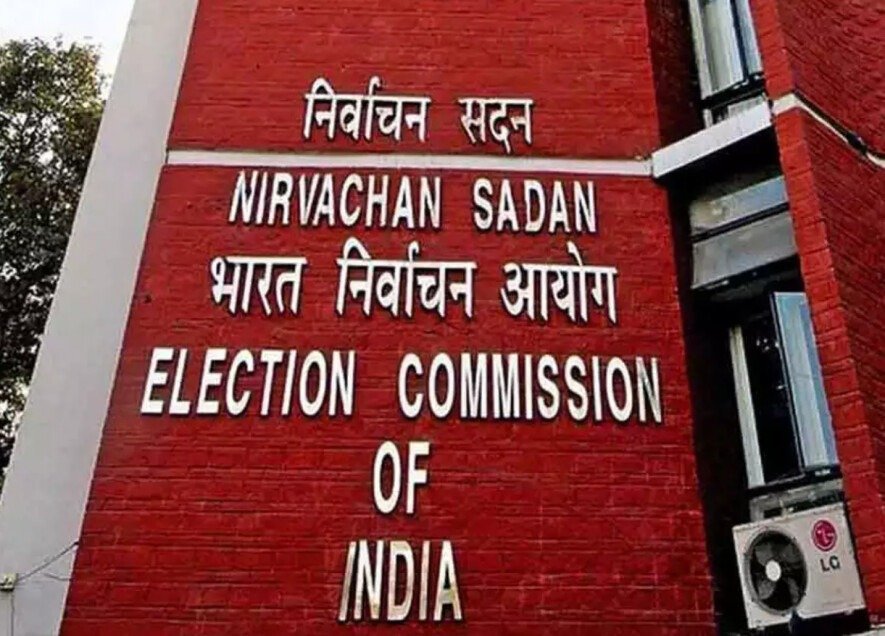
The inception of The Chief Election Commissioner and Election Commissioners (Appointment, Conditions of Service, and Term of Office) Bill 2023 marks a crucial step in addressing a gap overlooked by the Constitution-makers concerning the procedural aspects of appointments within the Election Commission of India.
The inception of the bill was prompted by a directive from a Constitution Bench of the Supreme Court. This directive, disapproving of the arbitrary manner in which appointments to the Election Commission were previously made, established a mechanism for the process. However, this mechanism, consisting of the Prime Minister, the Leader of the Opposition, and the Chief Justice of India, curtailed the government’s unchecked authority to appoint individuals to the panel. The judicial decree, nonetheless, emphasized that its prescription would be of a limited duration until Parliament enacted legislation on the matter.
Related Posts:

The new bill, ratified by the Rajya Sabha on Tuesday, essentially restores to the current government the authority to determine the composition of the panel. It outlines a committee, consisting of the Prime Minister, the Leader of the Opposition, or the leader of the largest party in the Lok Sabha, and a minister designated by the Prime Minister, responsible for selecting the Chief Election Commissioner and the other Election Commissioners. The provision eliminates the presence of a judiciary representative in the panel, thereby reverting the choice of the panel back to the executive. Upon examination, we observe no significant deviation from the period when the President appointed individuals based on the recommendations of the Union council of ministers, led by the Prime Minister.
However, the government has introduced several key amendments to the bill presented in August. The status, as well as the salary and perks of the Chief Election Commissioner (CEC) and the Election Commissioners (ECs), will now align with those of a Supreme Court judge, in contrast to the initial proposal equating them to the Cabinet secretary. Notably, the search committee tasked with shortlisting names for the EC will be led by a Cabinet minister, a departure from the initial arrangement with the Cabinet secretary at the helm. Additionally, the bill aims to shield commissioners from legal challenges during their tenure. These alterations are commendable as they are poised to enhance the independence, autonomy, and prestige of the commission.
The major institutions of our democracy, including the constitutional courts, the Election Commission, and the Comptroller and Auditor-General, have, despite occasional displays of weaknesses, consistently upheld the independence expected of them. The paramount prerequisite for the flourishing of democracy is unquestionably free and fair elections, a responsibility primarily entrusted to the Election Commission.
The integrity of a democratic institution hinges not solely on the determination of those in charge but on institutional mechanisms designed to ensure both independence and fairness. It is the character of the institution itself, rather than the individuals within it, that should dictate its quality. The Election Commission of India, for the most part, has met people’s expectations, drawing strength from democracy and reciprocally empowering it. Although occasional allegations suggest the EC may align with the government in power, they have predominantly upheld the people’s will in the electoral process. One can only anticipate that the government, wielding its newfound authority, will use it to bolster the Election Commission’s character, further fortifying our representative democracy and parliamentary system. (The writer can be reached at dipaknewslive@gmail.com)