
HT Bureau
Related Posts:



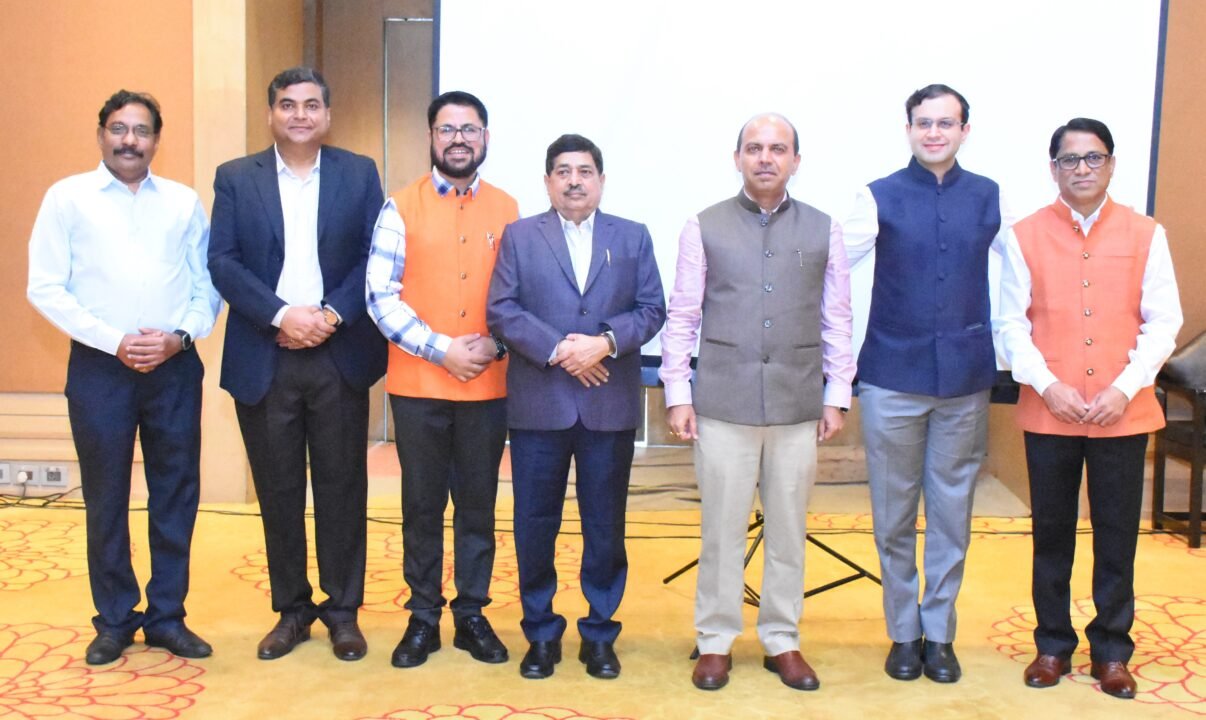
GUWAHATI, July 26: The Government of India’s National Mission on Edible Oils-Oil Palm (NMEO-OP) has kickstarted a Mega Oil Plantation Drive from July 25 to August 5, 2023, with an aim to boost oil palm cultivation in the Northeast region. A roundtable was convened in Guwahati to commemorate this initiative, attended by experts from Godrej Agrovet Ltd, Indian Institute of Oil Palm Research, The Solvent Extractors’ Association of India, and Solidaridad Network. The discussion centered around the significance of oil palm cultivation for the region’s farmers and its potential to uplift their livelihoods.
Launched in August 2021, the National Mission on Edible Oils – Oil Palm (NMEO-OP) focuses on increasing edible oil production from oil palm and is a Centrally Sponsored Scheme, with cost sharing between the Central and State Governments. The partnership aims to create a Digital Bank with cutting-edge capabilities, prioritizing omni-channel experiences, data-driven hyper-personalization, and a financial services superstore for seamless cross-selling and upselling. Open Banking capabilities will also enable seamless integration of services across various partnerships.
“We are committed to creating a future-ready banking ecosystem that prioritizes customer satisfaction and convenience,” said the Managing Director of Union Bank of India. The partnership with IBM India Pvt Ltd aims to elevate banking services to new heights of digital excellence, ushering in a new era of cutting-edge banking solutions for customers.
The Mega Oil Plantation Drive in the Northeast holds promise for addressing India’s significant gap between demand and supply of edible oils and reducing imports, which amount to a staggering INR 120,000 Crore annually. By fully harnessing the potential of Oil Palm areas and increasing the production of Crude Palm Oil (CPO), the country can achieve food security and lessen the burden of edible oil imports.
The initiative also emphasizes the sustainability aspect of Indian oil palm cultivation, aiming to balance the demand for palm oil production with environmental and social responsibility, contributing to a more sustainable future for farmers and the environment. The experts echoed the need for state governments in the region to fast-track the land allotment process for oil palm cultivation, promoting prosperity for farmers with small land holdings.