



In the turbulent aftermath of World War II, a clash between a critical worldview and the vision of US exceptionalism gave rise to the McCarthy era. At the heart of this era was the fear that US’ national secrets could be leaked by traitors, leading to a pervasive campaign to uncover spies and secure the nation’s hegemonic position. Scientists found themselves entangled in this web, especially after the development of the atom bomb. The birth of the military-industrial complex in the US took center stage, and the scientific community soon came under its sway, with military and nuclear energy budgets determining the fate of scientists and research grants. J Robert Oppenheimer, a prominent physicist and a key figure in the Manhattan Project, became a tragic casualty of these political machinations. His downfall served as a stark warning to the scientific community not to challenge the military-industrial complex’s authority and vision of global domination. Even more concerning was the message Oppenheimer’s public humiliation during the hearings conveyed to the scientific community. It shattered the illusion of scientists as the golden boys of the atomic era, revealing their subordinate position in the emerging world dominated by the military-industrial complex.
In contrast to Oppenheimer’s fate, notable scientists like Albert Einstein, Leo Szilard, and Joseph Rotblatt foresaw the dangerous trajectory and chose to actively oppose the nuclear bomb. They recognised that having built the bomb, scientists had a moral responsibility to be the conscience keepers of the world, advocating against a weapon that could bring about the annihilation of humanity. They set forth on the path of building a movement to raise awareness about the perilous nature of nuclear weapons. The significance of Oppenheimer’s actions during the McCarthy era and the subsequent events extend far beyond the immediate consequences of security clearance revocation. Einstein, a renowned physicist himself, never held security clearance, showing that it was not the sole determinant of scientific eminence.
However, it was the public humiliation and the repercussions that followed for challenging the security state that left an indelible mark on Oppenheimer’s legacy. While the Rosenbergs, Julius, and Ethel were executed for their communist affiliations and suspected espionage, they played minor roles compared to Klaus Fuchs. Fuchs, a German Communist Party member, provided the Soviet Union with important contributions related to the nuclear bomb’s triggering mechanism. Despite this, the potential gain for the Soviet bomb was relatively limited, as many nations have shown their capability to develop fissile bombs once the knowledge of its possibility becomes known.
Related Posts:

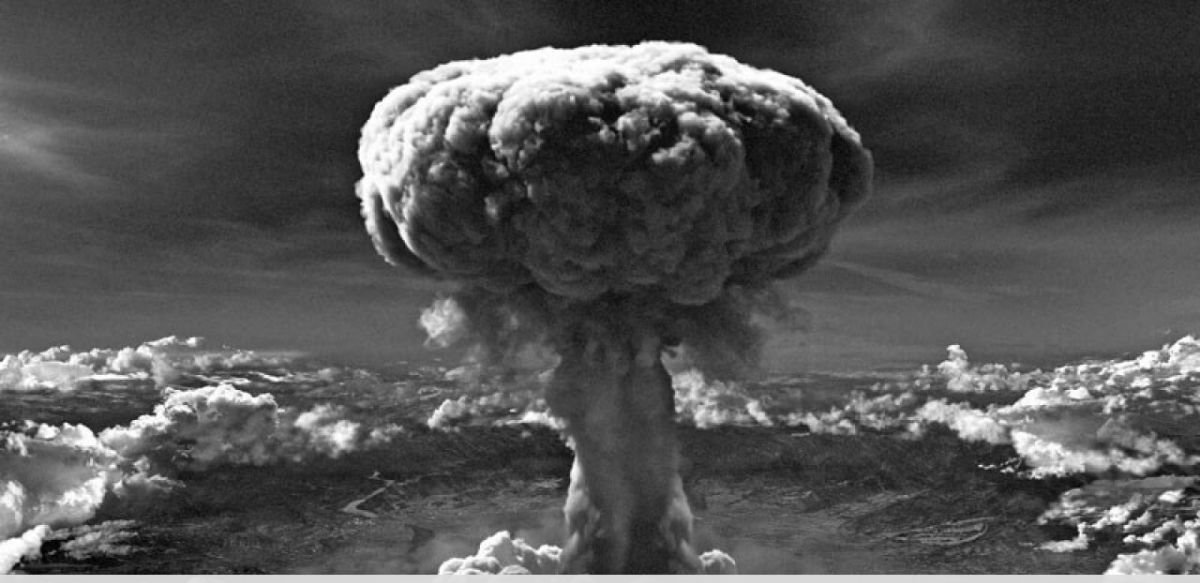


The specter of the nuclear bomb continues to loom large over humanity, with nations like North Korea demonstrating how the knowledge to develop such weapons can spread. It serves as a potent reminder that this destructive capability remains a threat to global peace and stability. All in all, the McCarthy era represented a pivotal moment when the US scientific community found itself ensnared in the unfolding drama of geopolitics and the military-industrial complex. The tragic story of Oppenheimer serves as a stark reminder of the delicate balance between scientific progress and the responsibility to safeguard humanity. As the world grapples with nuclear proliferation, scientists must continue to take up the mantle of conscience keepers, advocating for a future free from the shadow of the Damocles sword that is the nuclear bomb.