
HT Digital
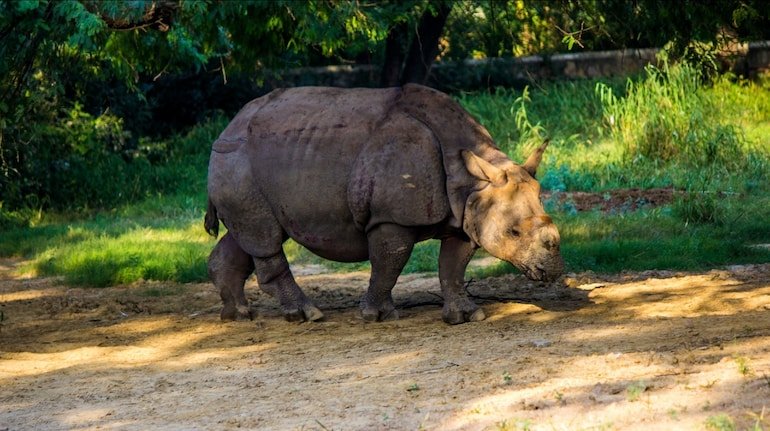
June 8, Saturday: As Assam faces yet another season of severe floods, the Kaziranga National Park has mobilized four dedicated teams to rescue and protect its wildlife. The floods, a recurring annual phenomenon, pose a significant threat to the park’s diverse animal population, including the endangered one-horned rhinoceros.
Related Posts:

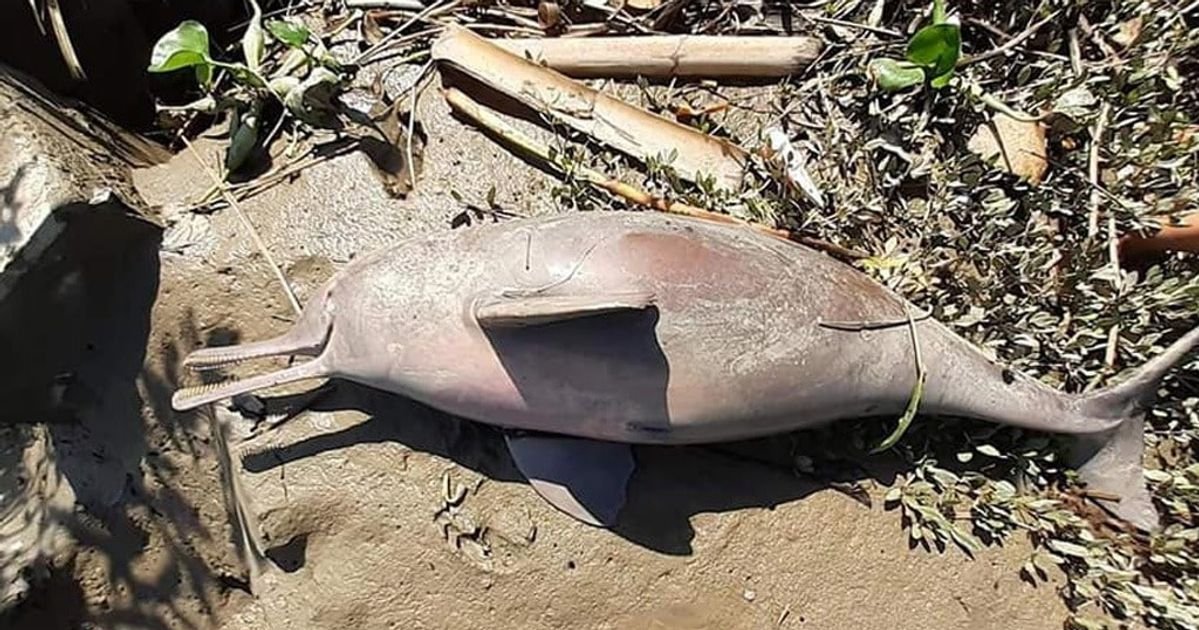
Kaziranga National Park, a UNESCO World Heritage Site, experiences heavy flooding each year due to the overflow of the Brahmaputra River. This natural event, while vital for the park’s ecosystem, often leads to the displacement and death of many animals. This year, the Assam State Disaster Management Authority (ASDMA) reported that 85% of the park is submerged, resulting in the deaths of several animals and prompting urgent rescue efforts.
The park’s director emphasized the gravity of the situation, noting, “The floods are a double-edged sword for Kaziranga. They rejuvenate the ecosystem but also bring immense challenges for the wildlife. This year, we’ve lost ten rhinos and numerous other species. Our rescue teams are working tirelessly to save as many animals as possible”
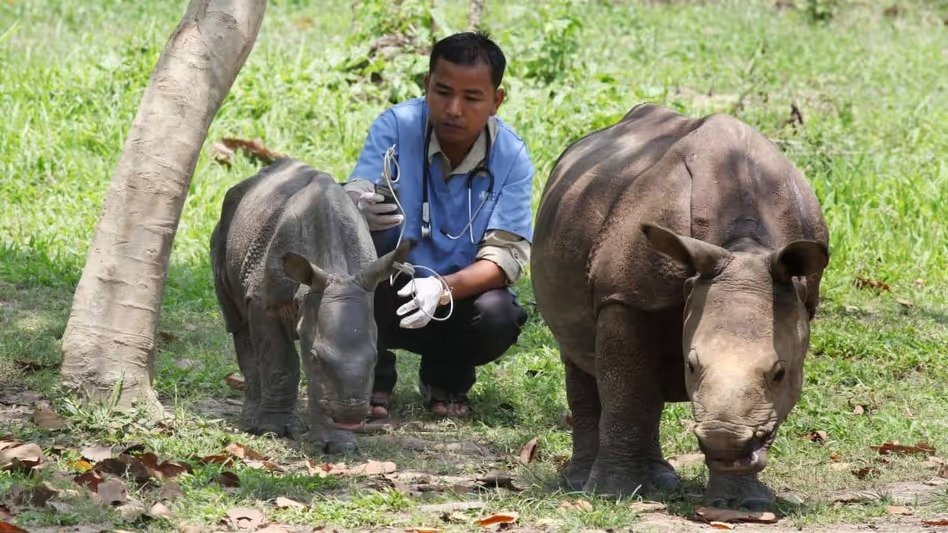
The rescue operations, led by the park authorities in collaboration with the Centre for Wildlife Rehabilitation and Conservation (CWRC), have so far managed to save 133 animals, including two rhino calves and four tigers. These efforts are crucial as many animals, driven out of their habitats by rising waters, venture into nearby human settlements, increasing the risk of human-animal conflicts.
Dr. Rathin Barman, Joint Director of the Wildlife Trust of India (WTI) and head of CWRC, highlighted the comprehensive nature of the rescue mission: “Our teams are equipped to handle emergencies in the field and provide necessary medical care. This year, the intensity of the floods has been unprecedented, and our efforts are more critical than ever”
In addition to the immediate rescue operations, the teams are also focused on long-term rehabilitation of the rescued animals. This includes treating injured animals and eventually reintroducing them into the wild. The park authorities and wildlife organizations are also working to create awareness about the importance of preserving wildlife corridors to facilitate safe migration during floods.
The floods have not only affected wildlife but also caused significant human displacement. Over 27.3 lakh people in 25 districts are currently affected, with thousands taking shelter in relief camps set up by the government. The collective efforts of the National Disaster Response Force (NDRF), State Disaster Response Force (SDRF), and local administration have been crucial in managing this large-scale crisis.
As the floodwaters begin to recede, the focus will shift to rehabilitation and restoration of the park’s ecosystem. The park authorities urge the public and wildlife enthusiasts to support their efforts in any way possible, emphasizing that the preservation of Kaziranga’s unique biodiversity is a collective responsibility.