

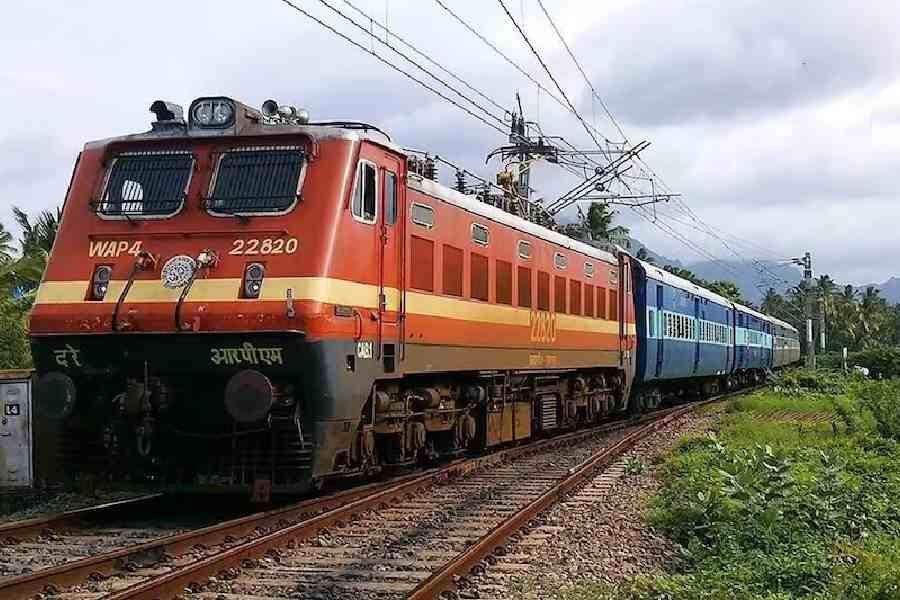
NEW DELHI, June 18: A day after the collision of two trains in West Bengal, the Railway Ministry Tuesday said the implementation of Automatic Train Protection System, also known as Kavach, is going on in a rapid manner on 3,000 route kilometer, and once completed it will help prevent such accidents.
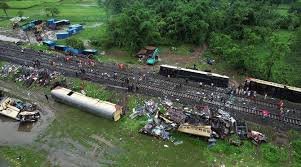
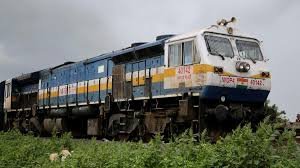
A goods train rammed into the stationary Sealdah-bound Kanchanjunga Express near Rangapani, 30 km from the New Jalpaiguri station in Siliguri, on Monday morning killing 10 people and injuring around 40.
The accident triggered a wave of criticism of the railways over the delay in the implementation of the Kavach.
Related Posts:

In response, the ministry said Kavach is a very complex system involving six major sub-systems: laying optical fibre cable along the track, installing telecom towers along tracks, installing telecom equipment on these towers and on trains, setting up data centres at stations and integrating them with the signal system, installing equipment on tracks; and finally installing equipment on locomotives and trains.
“The system was finally certified in 2019. Despite Covid challenges, work progressed and now the railway as well as equipment manufacturers are geared up to take up large projects. At this point of time, work is progressing rapidly on 3,000 km routes. Design work for other routes is also progressing very fast,” a senior official from the railway ministry said, requesting anonymity.
According to the railways, the Kavach system, developed by the Research Designs and Standards Organisation (RDSO), can trigger automatic application of brakes in case of an emergency when the train driver fails to act in time, ensuring safe train operations even in bad weather.
“So far, Kavach has already been implemented on 1,465 route km and 121 locomotives. Besides, the Agra division has developed a complete Kavach network on the 80-km stretch between Mathura (excluding the station) and Palwal to conduct trials on various types of engines and trains,” the official said.
Recently, the Railway Board chairperson and CEO Jaya Verma Sinha and railway officials of North Central and Northern Railways inspected a Kavach trial in Vande Bharat train between Palwal and Vridavan.
Sinha, while travelling in the eight-car set Vande Bharat, which ran at 160 kmph speed, had a first hand experience of Kavach working system at red signals, loop lines and other speed restriction points.
The Railway Ministry also said there is a steep decline in the number of consequential train accidents, from 473 in 2000-01 to 40 in 2022-23.
“From 2004 to 2014, the average number of consequential train accidents was 171 per annum, which significantly declined to 68 per annum during the period from 2014 to 2024,” the official said. (PTI)