

HT Digital
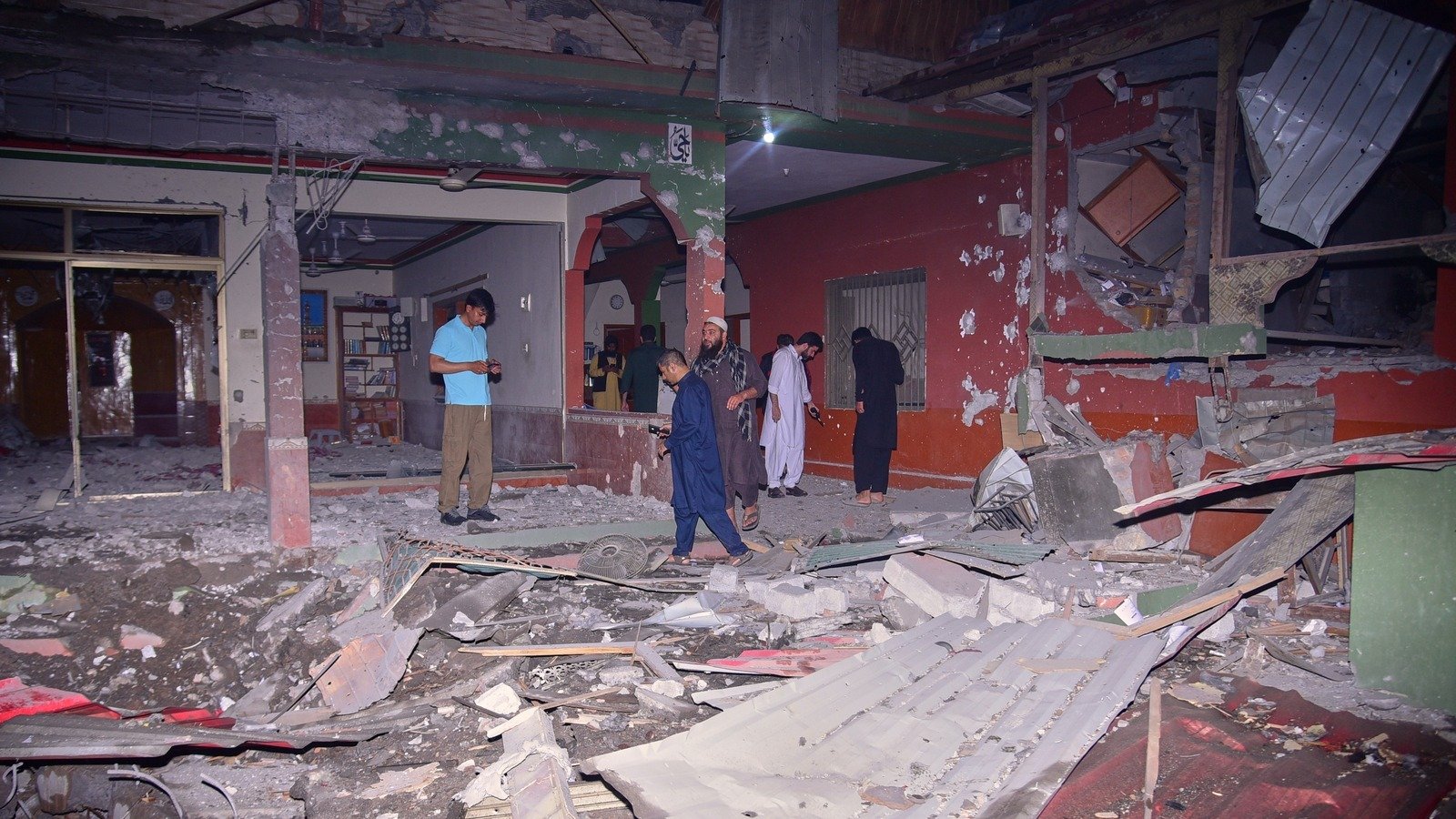
GUWAHATI, May 7: In the early hours just after midnight, while most of the nation slept, India executed one of its most extensive retaliatory military operations in decades. In a coordinated and high-precision strike, the Indian Army, Navy, and Air Force launched simultaneous missile attacks on nine terrorist camps located in Pakistan and Pakistan-occupied Kashmir (PoK).
Codenamed Operation Sindoor, the mission was a direct response to the brutal Pahalgam massacre on April 22, which claimed the lives of 26 innocent tourists. Conducted under the cover of darkness, the operation was marked by stealth and precision, catching Pakistan completely off guard.
Related Posts:




According to the Indian government, the strikes successfully destroyed key terror infrastructure believed to be used as launchpads for cross-border attacks. Intelligence inputs indicated that these facilities were hubs for training and planning terrorism against India. Government sources revealed to India Today TV that over 90 terrorists were likely killed in the assault.
This marks a significant escalation in India’s counter-terrorism posture, with all three branches of the armed forces collaborating on a single, targeted operation—something not seen in recent years. The sheer scale and coordination of the strike reflect a new phase in India’s strategic response to terrorism.
Pakistan reacted swiftly, labeling the strikes an “act of war”—a sign of the shock and diplomatic fallout the operation has triggered. With tensions rising along the Line of Control (LoC), diplomatic engagement between the two nations is expected to come under intense strain.
The Indian armed forces are scheduled to hold a press briefing at 10 a.m. today to share more details about the targets and outcomes of the operation. As the world watches closely, India appears to be reshaping the contours of its national security and counter-terror doctrine.