
NAGPUR, May 23: India’s top defence scientist is confident that the success of the indigenously-developed ‘Akashteer’ air defence system during Operation Sindoor will draw interest from other countries.
‘Akashteer’, the fully automated air defence control and reporting system, emerged as the invisible force of new war capabilities during Operation Sindoor, launched against nine terror sites in Pakistan and Pakistan-occupied Kashmir.
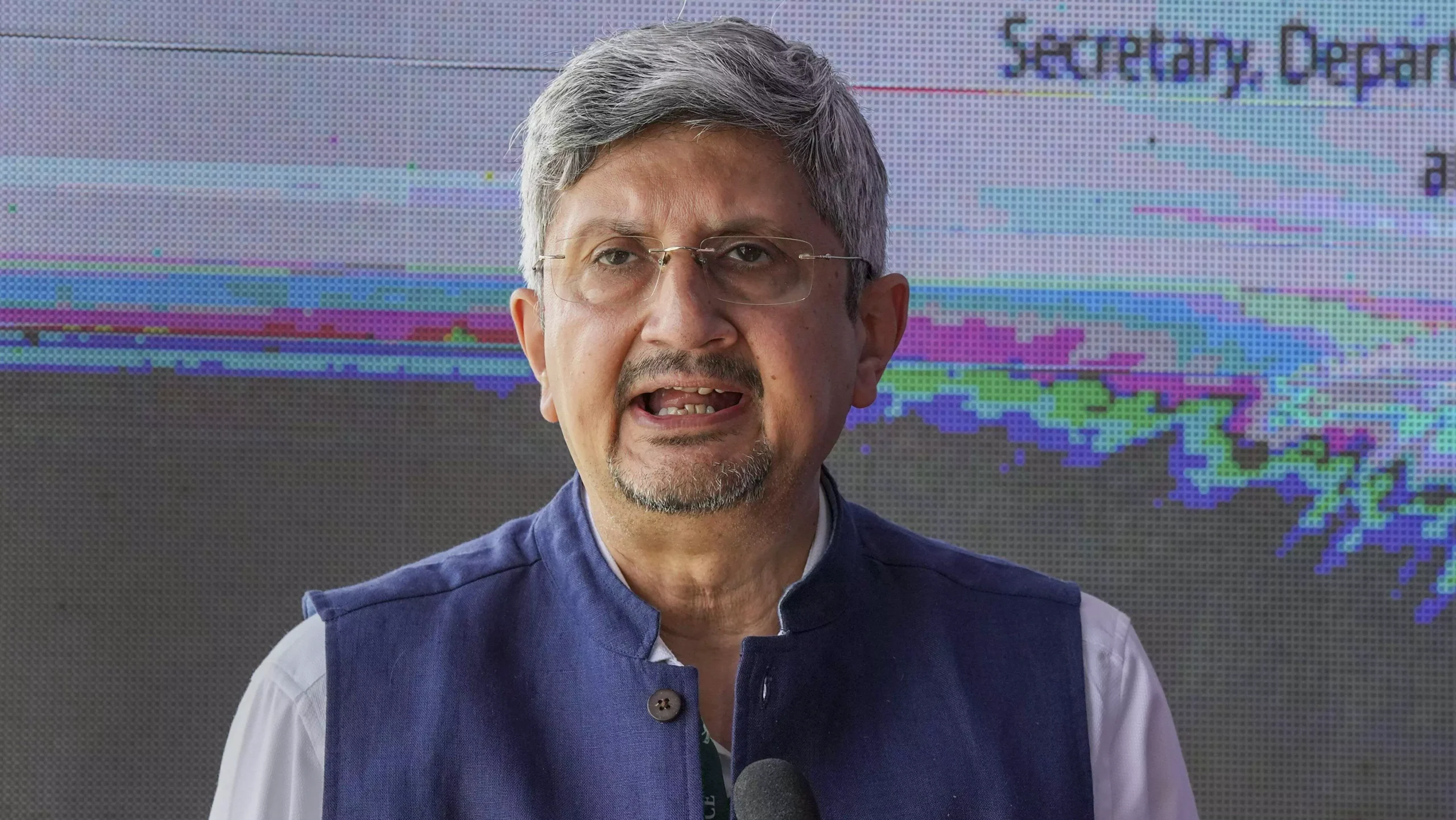
“Definitely, our air defence system has performed exceedingly well, and I am sure there will be interest from other countries,” Defence Research and Development Organisation (DRDO) chief Samir V Kamat told PTI on Thursday evening.
Related Posts:




The DRDO chairman spoke about India’s march for ‘Atmanirbhar’ (self-reliance) in the defence sector, saying that while substantial advancements have been made, more work is necessary to become completely self-reliant.
“I think we have achieved a very significant level, but we still have some work to do. And I am sure in the coming years, we will become totally Atmanirbhar,” he said.
Kamat expressed optimism regarding the future of India’s defence technology during a visit to Nagpur, where he toured facilities focused on manufacturing drones, missiles, and rockets.
The ‘Akashteer’ system enables detection, tracking, and engagement of enemy aircraft, drones, and missiles by integrating various radar systems, sensors, and communication technologies into a single, mobile, vehicle-based framework, making it easier to handle in hostile environments.
Replying to a question whether conventional weapons will take a back seat in future conflicts as warfare shifts to domains where drones and signal jamming take centre stage, Kamat said future warfare will blend traditional equipment with emerging technologies, such as drones and electronic warfare.
“Future warfare will be a combination of the traditional equipment as well as these new things…We have to be prepared for both,” he said.
Kamat ruled out the potential for robots to play the role of soldiers on the battlefield in future conflicts and said, “There will be a day when that may happen, but not in the near future.”
To a question about the progress in the development of indigenous 5.5 generation stealth fighter aircraft – Advanced Medium Combat Aircraft (AMCA), Kamat said, “Our project for developing AMCA started last year, and we are hopeful that it will be completed by 2034 and then it should go into induction by 2035.”
A full-scale model of the AMCA was unveiled at Aero India 2025 held in Bengaluru in February.
The Aeronautical Development Agency (ADA), a division of DRDO, is actively working on cutting-edge technologies, including AI-powered pilots, net-centric warfare systems, integrated vehicle health management, and internal weapon bays. (PTI)