

HT DIGITAL
GUWAHATI, JULY 17: Tensions ran high in Dhubri town on July 16, Wednesday, with scores of locals—predominantly from Ward No. 11—organizing a vociferous and spirited protest against the government’s imminent eviction notices. The unrest arises over proposals concerning the proposed under-construction Dhubri-Phulbari bridge, including a vital link road to be built that will link the bridge to Dhubri Port.
The demonstration was prompted by a recent administrative raid and oral orders issued by district officials, directing people to leave land that has been demarcated for the road. The absence of written instructions has created confusion and uncertainty among residents. Protesters assembled in front of the Maa-Kali temple, raising slogans such as “BJP hai hai” in a public show of defiance against the ruling party. Notably, the demonstration drew vigorous support from the Hindu community in the area—a constituency traditionally regarded as a BJP vote bank—reflecting a change of heart brought about by the threat of eviction.
Related Posts:
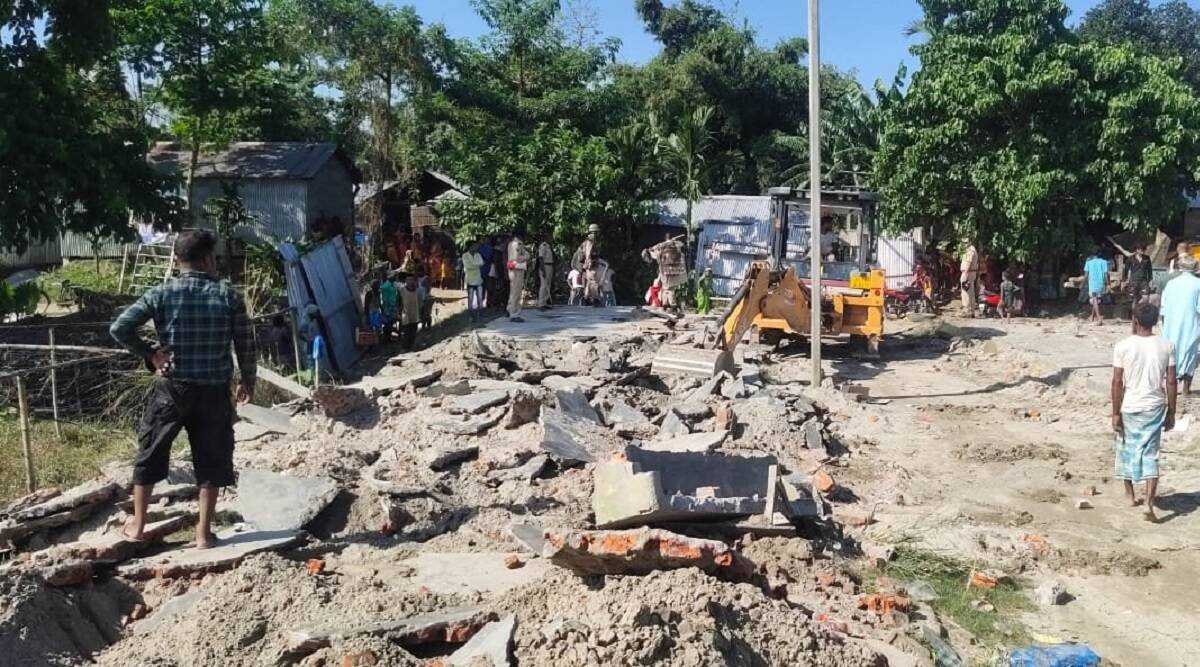

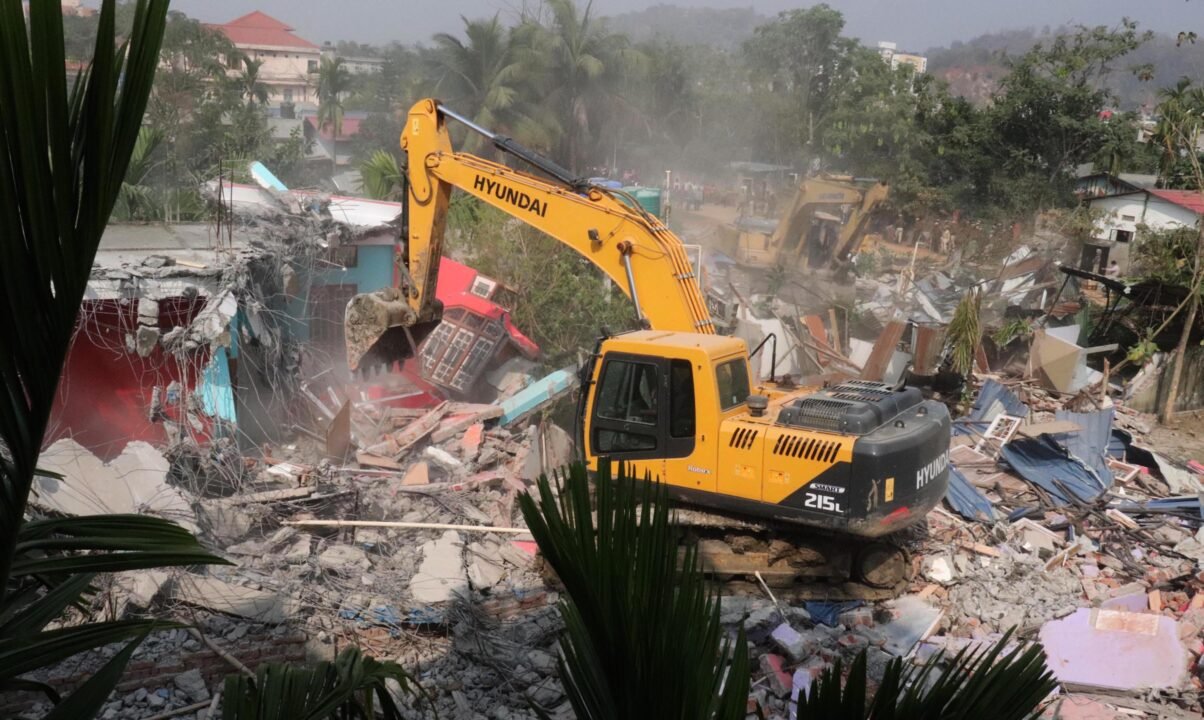

In the Bahadurtari area, families facing the potential demolition of their homes expressed deep concern. Many said they were shocked by the absence of formal notices and described the verbal eviction warnings as abrupt and unsettling. For long-time residents, the fast-paced development is not just a matter of policy—it threatens their homes, memories, and sense of security.
The planned link road is an important part of the larger Dhubri-Phulbari bridge project, a mega-infrastructure initiative to enhance regional connectivity and significantly cut down travel time across the Brahmaputra River. Yet the sense of urgency for the project has accelerated land reclamation, and therefore mounting opposition from the affected.
Reacting to the unrest, Assam Chief Minister Himanta Biswa Sarma reiterated the stand of the government. Eviction drives would be carried on to reclaim encroached land and uphold the rights of indigenous “Khilonjiya” people, he said. “We have done this for the future generation of Assam,” Sarma added, saying that though the actions might be opposed today, they were aimed at bringing long-term development and would be appreciated in years to come.