
HT Bureau
GUWAHATI, Oct 10: In a rare and heartening development from lower Assam, wild elephants have begun reclaiming the Paikan Reserved Forest in Goalpara district, weeks after a large-scale eviction drive cleared encroachments from the protected area.
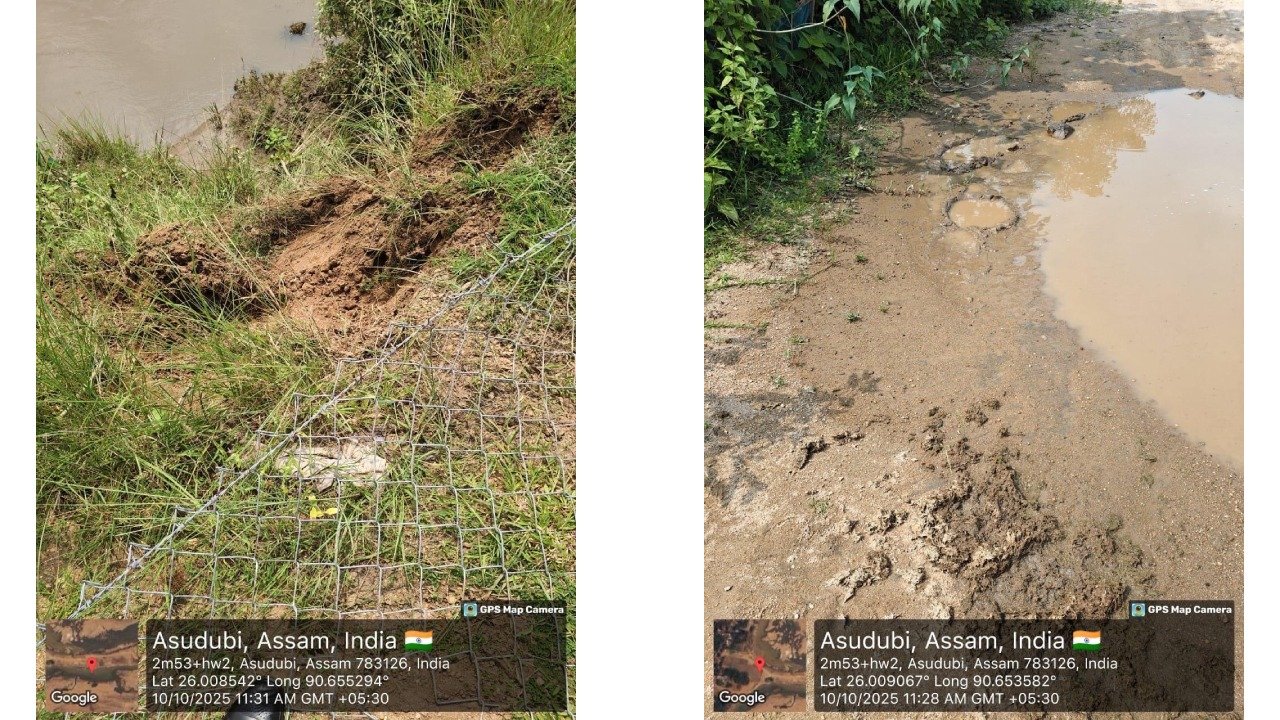
Chief Minister Himanta Biswa Sarma on Friday shared the news on social media, calling it a “positive sign of nature’s recovery.” In a post on X, the Chief Minister wrote, “A piece of positive news from Goalpara — wild elephants have reclaimed the evicted land of Paikan Reserved Forest. Our field teams have recorded fresh signs of elephant movement in and around the forest, indicating that nature is healing and wildlife is returning to its rightful home.”
Related Posts:



Officials from the Forest Department confirmed the sightings, stating that camera traps and field surveys have captured evidence of elephant herds moving through restored forest corridors. “The animals are slowly returning to areas that had been under encroachment for years. This is an encouraging sign for conservation,” a senior official said.
The development comes in the backdrop of a recent eviction operation carried out by the district administration and forest officials in the Paikan Reserved Forest, part of the larger Goalpara forest division, aimed at removing illegal settlements and agricultural activities. The drive was part of the state government’s continuing campaign to free forest and government land from encroachment, a policy the Chief Minister has repeatedly said is essential to protect Assam’s ecology and biodiversity.
The Paikan Reserved Forest, located near the Assam-Meghalaya border, is known for being a crucial elephant habitat and a vital part of the larger Kaziranga–Karbi Anglong–Goalpara–Garo Hills wildlife corridor. Over the past decade, human encroachments and deforestation had severely disrupted wildlife movement in the area, leading to frequent cases of man-elephant conflict.
Environmentalists have welcomed the latest development as a positive ecological turnaround. “If elephants are returning to their natural habitat, it means the forest ecosystem is regenerating,” said a local conservationist.