

HT Correspondent
HAFLONG, Nov 12: The arrival of migratory Amur Falcons has been reported from the New Tumbung area under the Garampani Forest Range of Umrongso in Dima Hasao district, marking the start of their seasonal migration through the region.
In view of the birds’ arrival, the District Magistrate has imposed prohibitory orders under Section 163 of the Bharatiya Nagarik Suraksha Sanhita (BNSS) 2023 (erstwhile Section 144 CrPC) in the roosting area, banning the capture, killing, or disturbance of Amur Falcons by humans or predators. The order warns that violators will face strict legal action.
Related Posts:
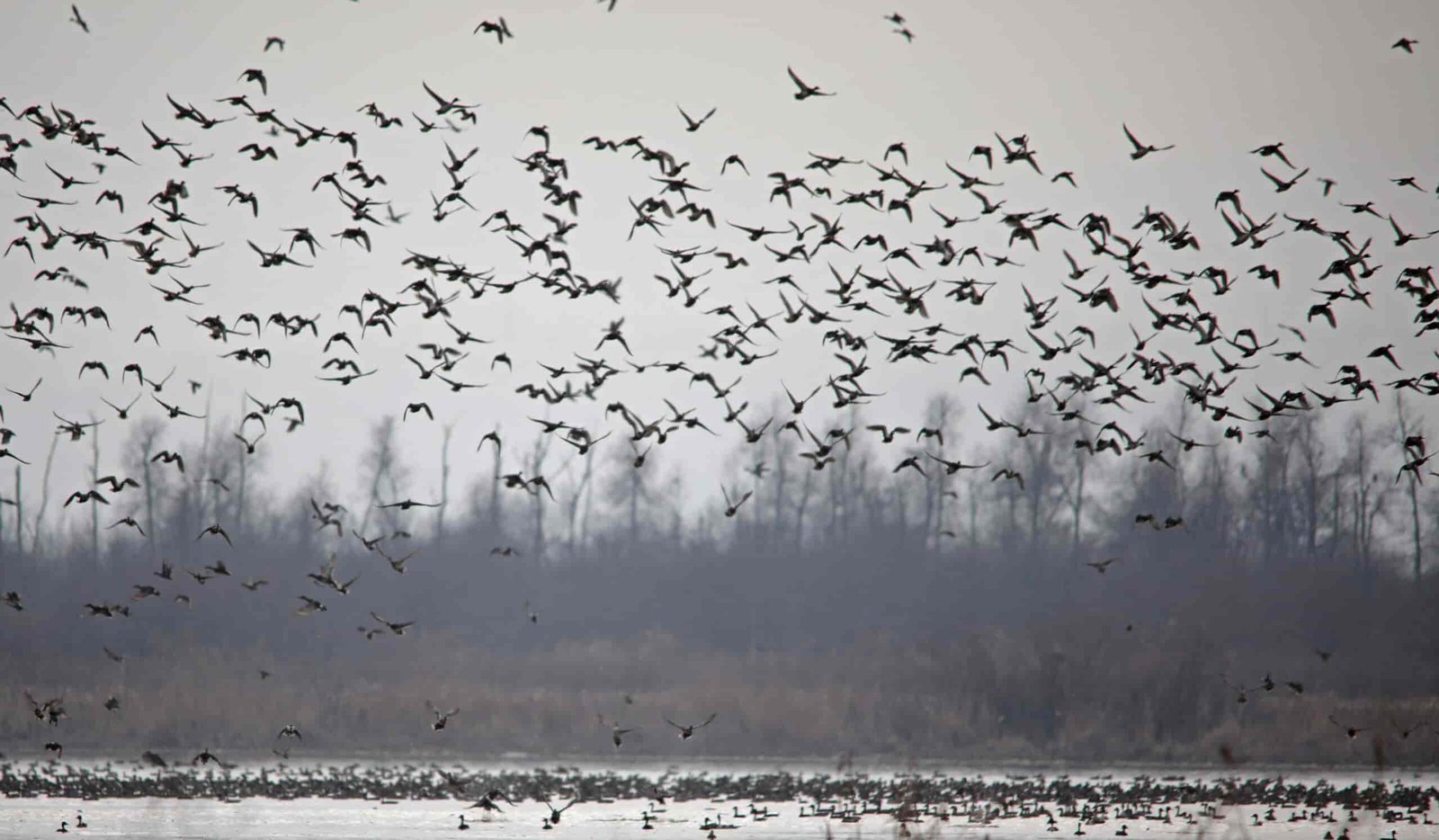


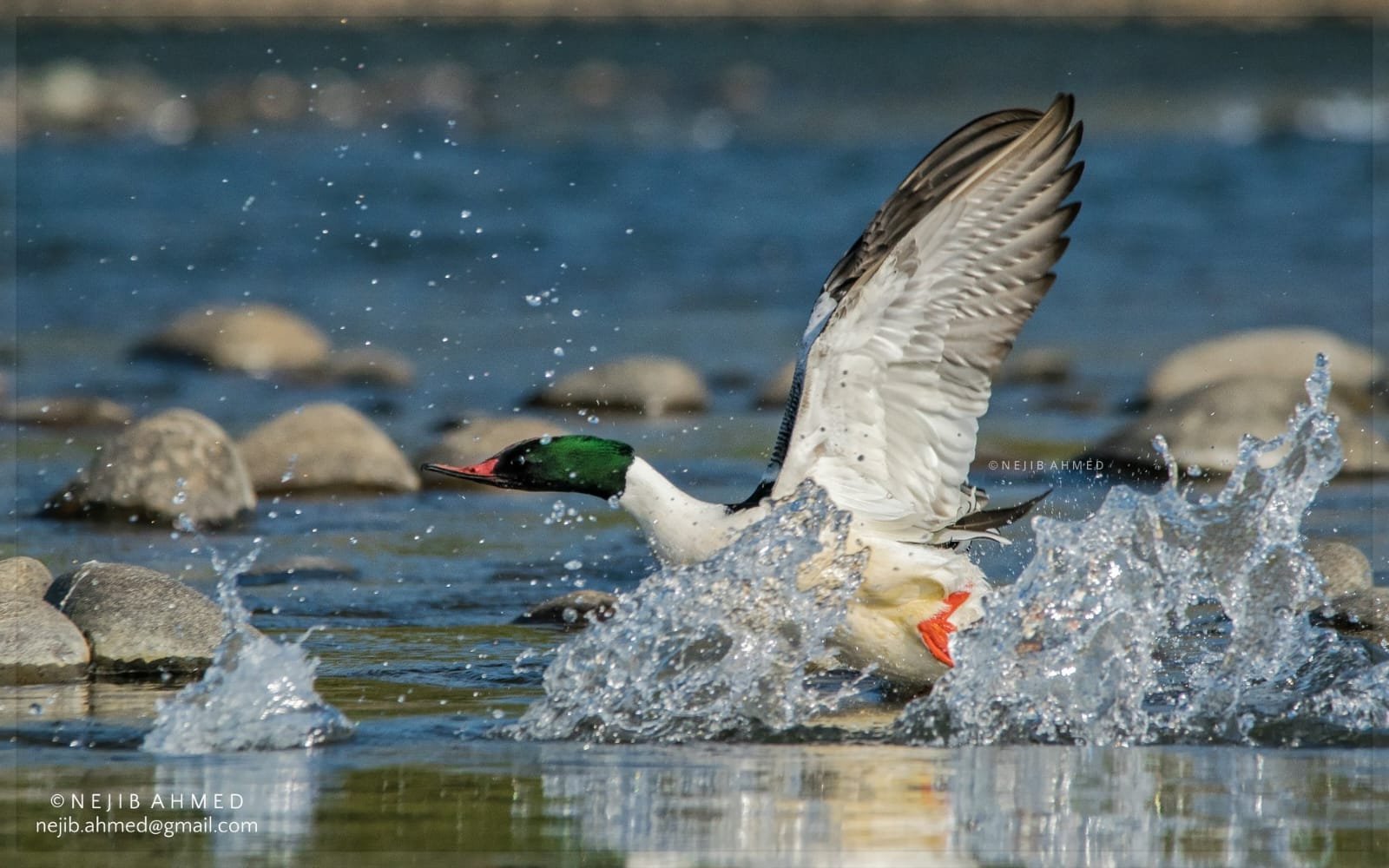
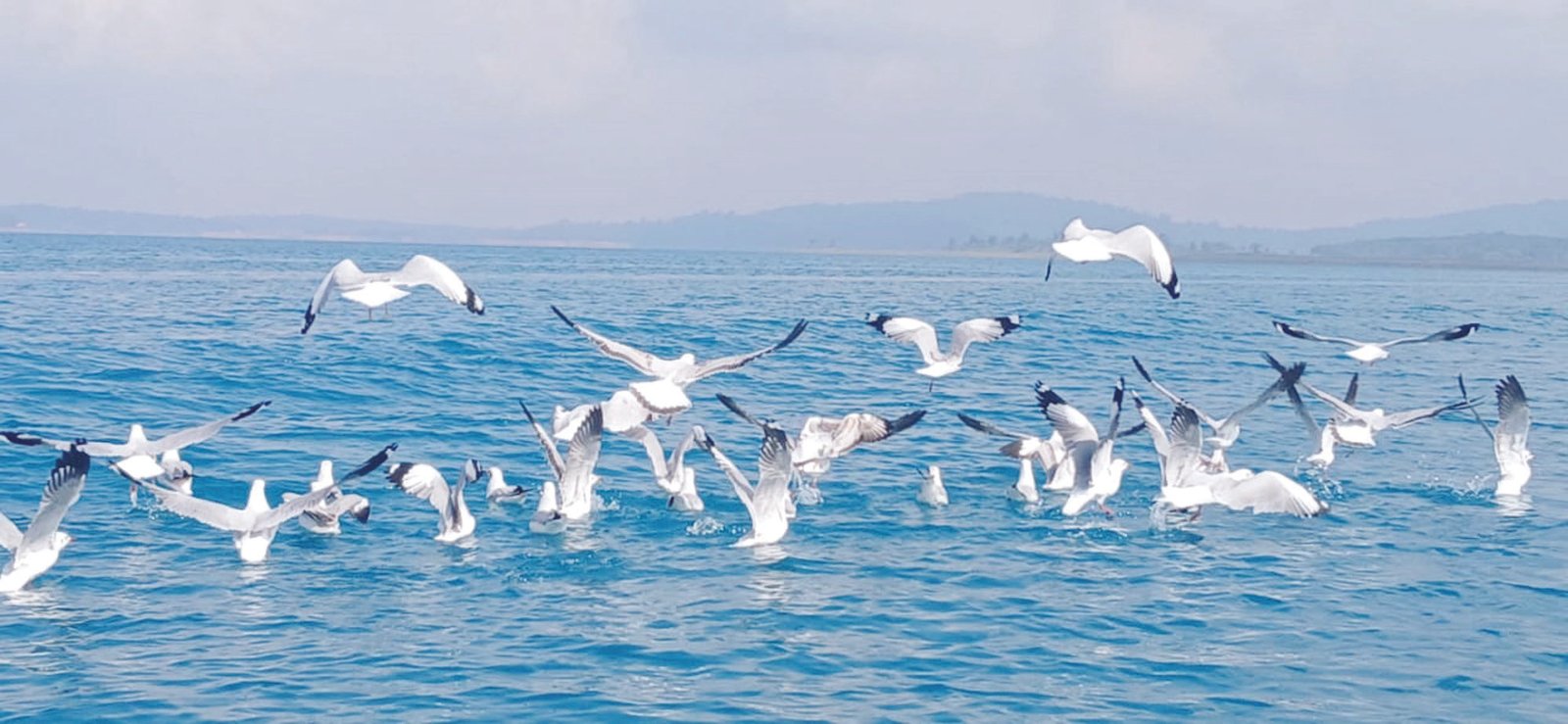
In a first for the district, a flock of Ruddy Shelducks and Seagulls has also been sighted at the NEEPCO water reservoir near the Amur Falcon roosting site, creating excitement among bird watchers and wildlife enthusiasts.
Meanwhile, forest personnel have intensified round-the-clock patrolling to ensure the safety of the migratory birds. Bird lovers and ornithologists have begun visiting the area to witness the seasonal spectacle.
On Tuesday evening, a team from the North Cachar Hills Autonomous Council, led by CEM Debolal Gorlosa, ceremonially welcomed the “winged guests” and held an awareness meeting on the protection of migratory species.
Officials recalled that in the past, the birds were hunted for sport and meat due to a lack of awareness. However, sustained campaigns by the Forest Department, NGOs, and social activists have successfully curbed the killings, ensuring safe passage for the birds through Dima Hasao.
The Amur Falcon, a small raptor of the falcon family, breeds in south-eastern Siberia and northern China and migrates annually across India and the Arabian Sea to South Africa. The species is known to stop in Umrongso during this long migratory journey.
Males are dark grey with reddish-brown thighs, under-tail coverts, and orange eye-rings, while females are paler with scaly white underparts and an orange eye-ring. The birds primarily feed on termites and other insects, and are believed to prey on migrating dragonflies during their trans-oceanic flight.