


By: Priyanka Saurabh
The value of Indian democracy is enshrined in the constitution and the constitution prohibits untouchability and untouchability. Then why the Dalit children were brutally thrashed for drinking water kept in the pitcher of the school? The innocent child did not even know what caste was and became a victim of caste-based untouchability. After all, when will we and the society be free from the pot? The murder of nine-year-old Indra Meghwal, a Class III student in Rajasthan, is a blot on all our pride which we proclaim in the name of religion, culture, and spirituality. One of the oldest psycho-social weapons is to spread social control and fear by describing the high and low as God’s gift. If we look into the history of slavery in India, we will find that the casteist mentality supported by religion is the biggest reason for India’s slavery and defeat. If there is a community-cultural addiction to enslaving any society, then why pretend freedom? What does the death of Indra Meghwal, who was injured by the blow of the sick tradition of untouchability in the Saraswati temple, show?
In such sensitive cases, the action only against the teacher is not enough, for these educational institutions also become responsible, who allowing matka to be kept in the school in such casteist areas, so such educational institutions will have to find their way out. Untouchability has been abolished under Article 17 of the Indian Constitution and its practice in any form has been declared an offense. Therefore, it is the responsibility of the state government to ensure that no untouchability is practiced in its area. Two Marathi great men came to this country. Both have done so much favour to the country that this country cannot forget their gratitude. One protected the religion Chhatrapati Shivaji Maharaj and his religion was humanity. The other showed the way to the country by writing the Indian Constitution. What will we learn from these two? 75 years ago we got freedom from British rule but not from casteism even after 75 years.
Related Posts:
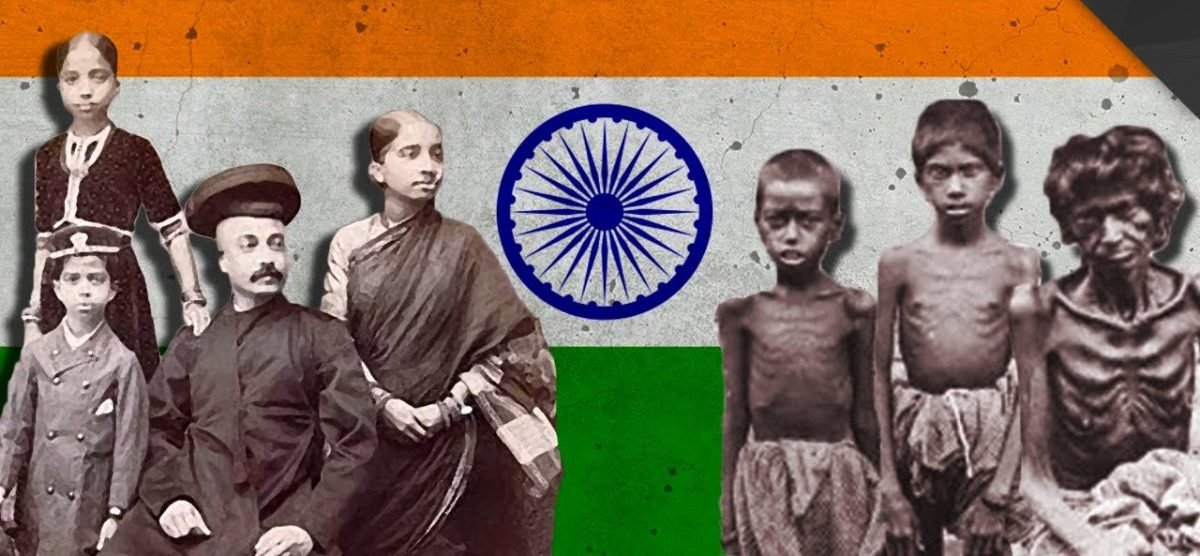


Earlier there was a lot of untouchability, which is visible everywhere in today’s era. Due to high and low, untouchability, earlier the upper caste people (especially Brahmins, and Baniyas) used to make a certain distance while leaving from the people of lower caste and kept a certain distance in their hands at the time of transaction of something. But listening to such things, laughter comes when a low caste man goes to buy something from the bania shop; the baniya does not keep any distance while taking money from his hand but makes a distance while giving goods in return. Then who was the untouchable? Think now the time has changed, due to some government interference in electricity and water, now there is no need to draw water. In the village, the people of the lower castes come inside haphazardly and sit haphazardly on the chair or stool kept nearby. Shaking hands and walking together became common. Water tanks have now been built in place of wells, in which taps are installed, but now those taps were not divided according to caste. This social change has been initiated by time and not by any particular caste.
The country is celebrating the nectar festival of independence; while on the other hand, the innocent was beaten up so much after touching the pot of water that he lost his life. India got independence from British rule on 15 August 1947. Unlike British imperialism, people hoped to lead a dignified life free from all forms of discrimination. However, now the oppressors have only changed their form. Who does not know that even today, when Dalit children touch the mid-day meal in schools, people say that our children have been oppressed? Every day we read somewhere that the leftover mid-day meal was not taken by the people living in the neighbourhood of the school just because Dalit children had gone to give food. The survey of Tamil Nadu Untouchability Abolition Morcha, which is one of the progressive states and claims social justice, has revealed that in 22 out of 386 panchayats, Dalit village heads do not even have a chair to sit. In such a situation, any freedom without ending discrimination has no meaning.
We are all ashamed of this heinous act of Indra’s death. It has been 75 years but some such low-minded people in the country consider themselves to be God and have such a low mentality even after the country’s independence. As long as such people remain, the country will never be free. The innocent child thought that when the drum of the nectar festival of freedom is being beaten loudly all over the country, then maybe I am also free. Little did he know that this freedom was not for him. That innocent child left thousands of questions in front of the country and left. The real enemies of society and the country are people with this kind of mindset who are running the school as an ideal personality like a teacher. In such a situation, the government should make some character criteria mandatory for private schools as well.
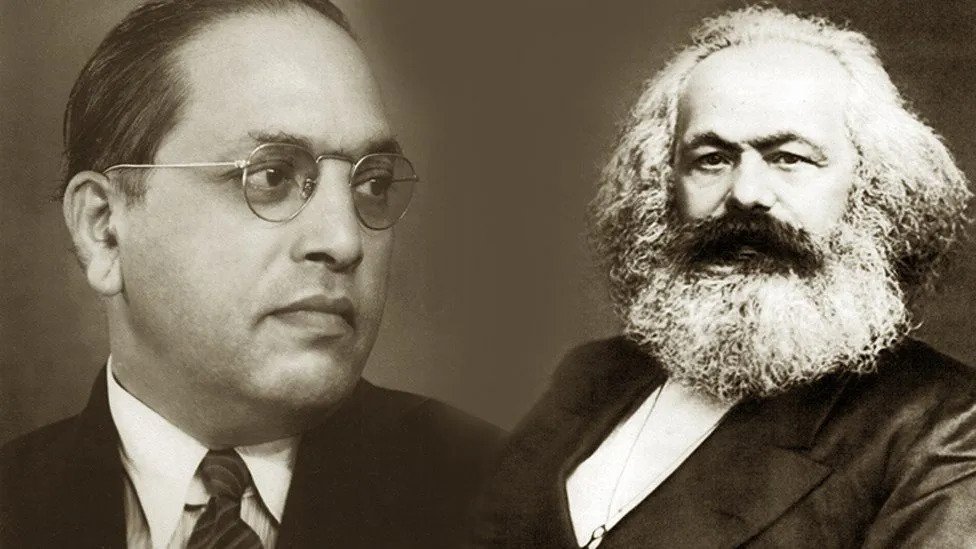
As long as the control of the varna-caste ideologies does not end the Indian society and the state-run centers, then Indra Meghwal will continue to be humiliated and killed; only the reasons will be different. The tradition of punishing Dr. Ambedkar to Indra Meghwal for touching a pot of water cannot be abolished without establishing Bahujan ideology and Bahujan heroes fighting against the varna-caste system at the center of Indian society. This retaliation should not be limited to the killing of Indra Meghwal alone. Should be against the discriminatory system of high and low for thousands of years. (The author is a Research Scholar in Political Science, poetess, freelance journalist, and columnist)