

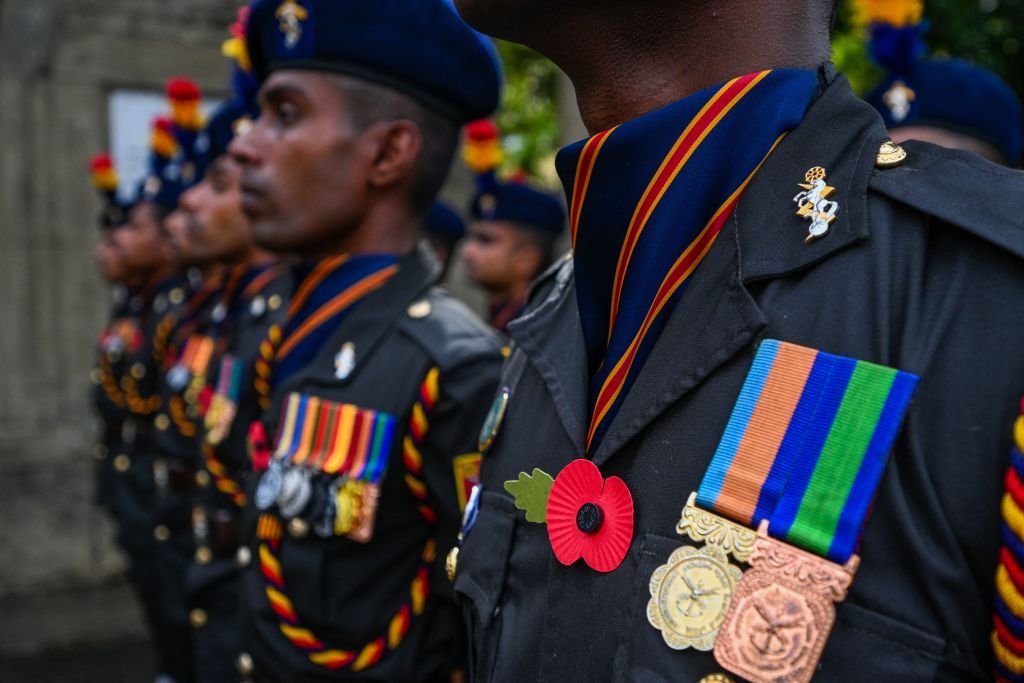
COLOMBO, Jan 13 (PTI): Cash-strapped Sri Lanka on Friday announced plans to reduce the current strength of its military to half by 2030 to build a technically and tactically sound and well-balanced defence force, amid criticism that military expenditure was more than the allocation for health care and education in the 2023 budget.
The Army’s strength is to be reduced to 100,000 by the year 2030, down from the current figure of 200,783. The strength would be limited to 135,000 by next year, the Defence Ministry said in a statement.
“The overall aim of the strategic blueprint is to broach a technically and tactically sound and well-balanced defence force by the year 2030 in order to meet upcoming security challenges,” the statement quoting the state minister of defence Pramitha Bandara Tennakoon said.
Related Posts:


The defence allocation of 539 billion rupees in the budget 2023 drew criticism as the island nation faced its worst economic crisis since 1948.
Due to the forex shortage, Sri Lanka was unable to afford key imports, including fuel, fertilisers and medicines, leading to serpentine queues.
For health and education, the 2023 budget has allocated over 300 billion rupees each.
Although the strength had been halved from around 400,000 since the conflict with the Liberation Tigers of Tamil Eelam (LTTE) ended in 2009, the current strength of 200,000 was termed excessive.
The size of Sri Lanka’s armed forces peaked between 2017 and 2019, with 317,000 personnel, according to World Bank data, with 317,000 personnel, according to World Bank data, higher even than that during the 25 year-long conflict with the Liberation Tigers of Tamil Eelam (LTTE) that ended in 2009.
President Ranil Wickremesinghe said last year that military strategy reforms were needed to gear the island’s army to face new challenges.
The Tamil minority and rights groups have been demanding the decaling of the military in the former battle zones in the conflict regions in the Northern and Eastern provinces.
The island nation of 22 million people has been forced to cut back on government expenditure after it slid into a deep economic crisis last year when foreign exchange reserves dried up.