
HT Correspondent
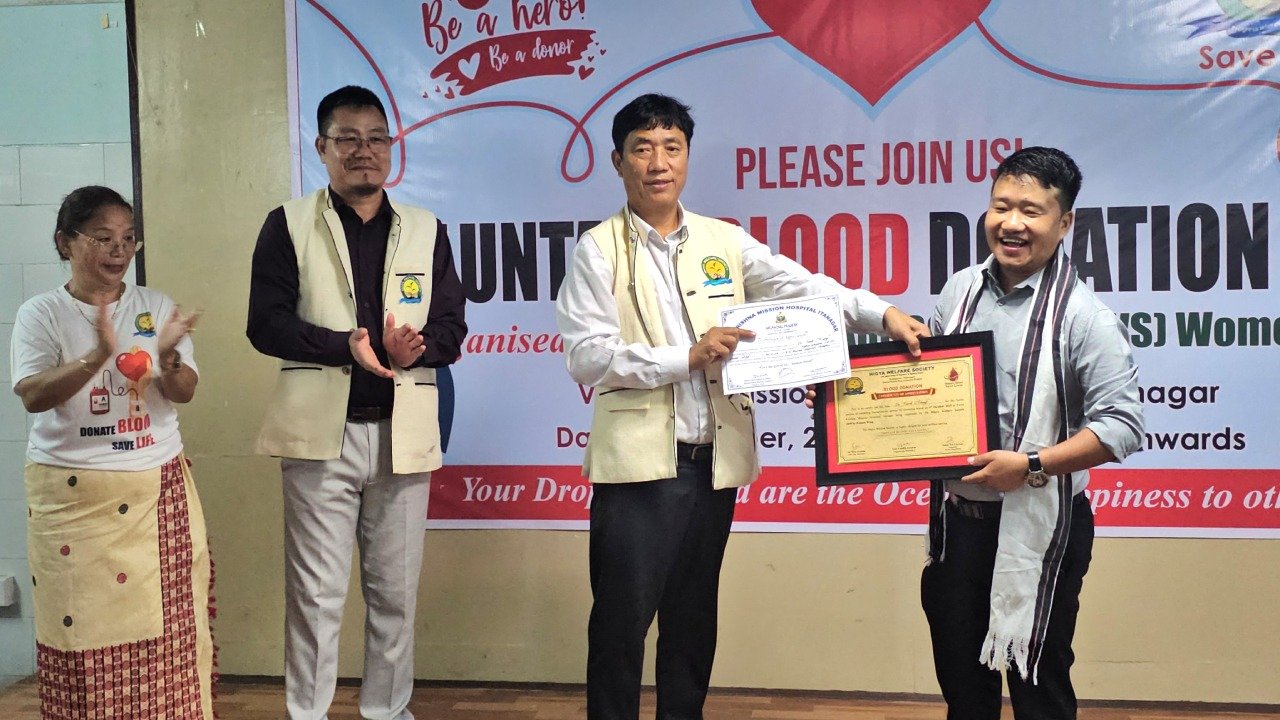
ITANAGAR, Oct 4: The Higya Welfare Society (HWS) has emerged as the top blood donor organisation of 2025 for the Ramakrishna Mission Hospital (RKMH), Itanagar, contributing a record 78 units of blood to the hospital’s blood bank.
The blood donation camp, organised at the conference hall of RKMH, was held as part of the run-up to HWS’s 16th Foundation Day celebration on October 12, which will feature several community welfare programmes, including health and social awareness initiatives.
HWS President Gyamar Kuba informed that the Women Wing of the Society took the lead in organising the blood donation drive to promote awareness about the importance of voluntary blood donation.
Related Posts:



“We find that blood saves lives, and it is not easily available when needed. A single donor can save a precious life. In many cases, people lose their loved ones due to the non-availability of blood,” Kuba said.
He added that the initiative was not meant to be an example but an appeal to inspire others.
“We want NGOs and community-based organisations to come forward and join such life-saving initiatives. This is our first-ever camp, and from the next foundation day onward, we plan to make it a regular event. Our only religion is humanity, and today’s effort reflects that belief,” he added.
According to Ramakrishna Mission Hospital sources, the total collection of 78 units by HWS’s Women Wing on Saturday marks the highest single-day collection of 2025 at the hospital so far.
The previous record stood at 74 units, collected by Bharatiya Janata Yuva Morcha (BJYM) on September 17 this year.
Among those present on the occasion were HWS General Secretary Gyamar Tabin, former President Gyamar Tachung, Women Wing Finance Secretary and Blood Donation Camp Organising Secretary Ania Lamdik Gyamar, Assistant Organising Secretary Gyamar Tutu, and Women Wing Secretary Gyamar Yal, who also interacted with the media and encouraged more citizens to participate in future blood donation initiatives.
The HWS team expressed gratitude to the RKM Hospital authorities, medical staff, and volunteers for their cooperation in ensuring the success of the drive, which they described as a small yet meaningful step toward saving lives and promoting humanitarian values in the community.