


HT Bureau
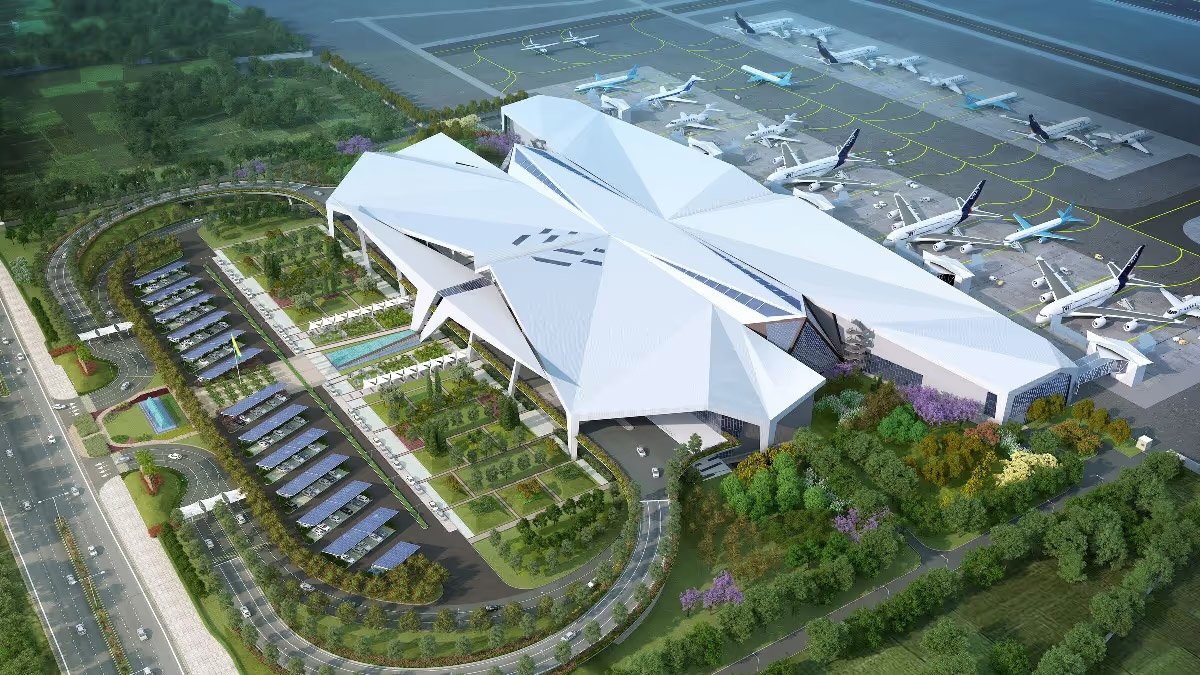
GUWAHATI, Feb 19: At the new terminal of Lokapriya Gopinath Bordoloi International Airport (LGBIA), technology has been deployed with a simple objective: to work quietly in the background. The focus is not on flashy screens or futuristic gimmicks, but on systems that quietly do the thinking for passengers so they do not have to. From the moment a traveller walks in, software systems begin tracking how people move through the terminal, much like traffic apps monitor vehicles on roads. If one security area starts filling up faster than another, airport teams are alerted and can redirect passengers before queues build up. To travellers, it simply feels like things are moving smoothly.
Security checks are another place where technology stays deliberately unobtrusive. Instead of changing how passengers behave, systems monitor queue length, processing speed and lane availability in real time. When needed, more lanes are opened or staffing is adjusted. The experience remains familiar, but faster and less uncertain.
Related Posts:



Baggage handling is where invisible technology makes perhaps the biggest difference. Once a bag is checked in, scanners and sensors track its movement through a network of automated belts. If something slows down or moves off its intended path, the system flags it immediately. This early detection helps prevent delays before they become visible problems at the baggage carousel.
At boarding gates, backend systems quietly synchronise multiple moving parts. Flight schedules, aircraft readiness, boarding progress and ground crew activity are continuously updated on shared platforms. If a flight arrives late or weather affects schedules, teams can adjust plans quickly. For passengers, this often means fewer sudden gate changes and clearer announcements.
This understated use of technology reflects the operating philosophy of Adani Airport Holdings Limited (AAHL), which manages LGBIA through its subsidiary Guwahati International Airport Limited (GIAL). Across its airport network, AAHL has focused on systems that improve reliability without adding complexity to the passenger experience. Rather than deploying visible tech for novelty, the emphasis is on integration. Digital platforms connect airline operations, ground handling, security agencies and airport teams so information flows automatically instead of being passed manually. Fewer handoffs mean fewer chances for error and delay.
Energy and sustainability systems also work quietly behind the scenes. Lighting and air conditioning adjust automatically based on how many people are in different parts of the terminal and what time of day it is. These systems save energy while keeping temperatures comfortable, without passengers ever noticing a change.
What sets this approach apart is restraint. In an age where airports often showcase technology as an attraction, Guwahati’s new terminal treats it as infrastructure. The aim is not to impress travellers, but to make their journey feel predictable and calm.