

HT Bureau
GUWAHATI, Oct 25: A high-level Regional Review Meeting (RRM) of the Global Fund to Fight AIDS, Tuberculosis, and Malaria (GFATM) supported states for the Intensified Malaria Elimination Project (IMEP-3) under the National Vector Borne Disease Control Programme (NVBDCP), chaired by Prof (Dr) Atul Goel, director general of Health Services, MoHFW, government of India, was held at Ratnamouli Palace, Guwahati, from October 23 to 25, 2024.
Other dignitaries present at the meeting included Dr P Ashok Babu, IAS, commissioner & secretary, Health & FW, government of Assam, Dr KK Tripathy, economic advisor (Vector Borne Disease), MoHFW, Dr Lakshmanan S, IAS, mission director, NHM, Assam, Dr Tanu Jain, director, NCVBDC, MoHFW, Dr PJ Bhuyan, additional director, NCVBDC, MoHFW, Dr Umesh Phangshu, director of Health Services, Assam, Dr Achyut Ch Baishya, principal GMCH, Guwahati, and Dr Kalpana Baruah, senior consultant & former additional director, NCVBDC, MoHFW. Other officials present at the review meeting included senior regional directors, state program officers (NVBDCP), national and state consultants, along with officials from partner organisations (WHO, NIMR, and TCIF). Representatives from ten project states participated in the review meeting, namely Assam, Arunachal Pradesh, Meghalaya, Mizoram, Nagaland, Manipur, Tripura, Jharkhand, Odisha, and Chhattisgarh.
Related Posts:

The goal is to interrupt local transmission and achieve zero indigenous cases throughout the country by 2027, providing an enabling environment to prevent the re-establishment of malaria. The principal objectives of the meeting were to discuss the progress toward malaria elimination for GFATM project states, review the epidemiological situation of these states, assess the implementation of vector control measures and their effectiveness, verify the financial status and expenditure of the project states, and review the implementation status of IHIP in project states.
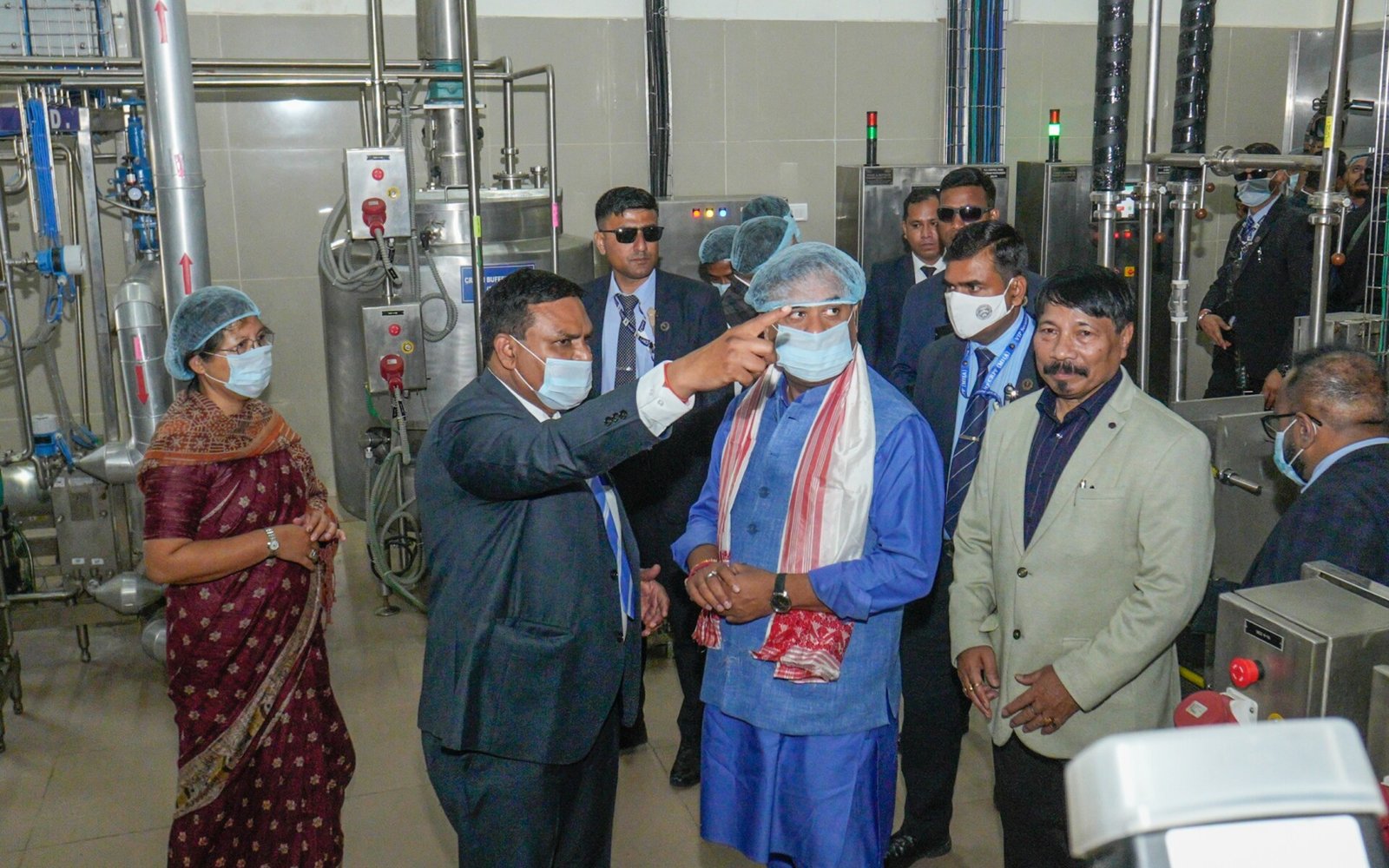
The three-day review and dissemination meeting included presentations by both national and state teams on the ongoing programmatic activities. The meeting aimed to review the state-wise progress of malaria elimination and prevention efforts, identify programmatic areas for enhancement, facilitate the exchange of best practices and ideas among states, and develop action plans for improved program implementation. In addition to the technical sessions, field visits were conducted to three health facilities, where various components of monitoring and evaluation, procurement, entomology, finance, IEC/BCC activities, and issues and challenges of the health facilities were reviewed to gain insights into the actual implementation of the program and foster the exchange of ideas between the states.