


Strap: Digital push aims to modernise education and streamline administration across the region
HT Bureau
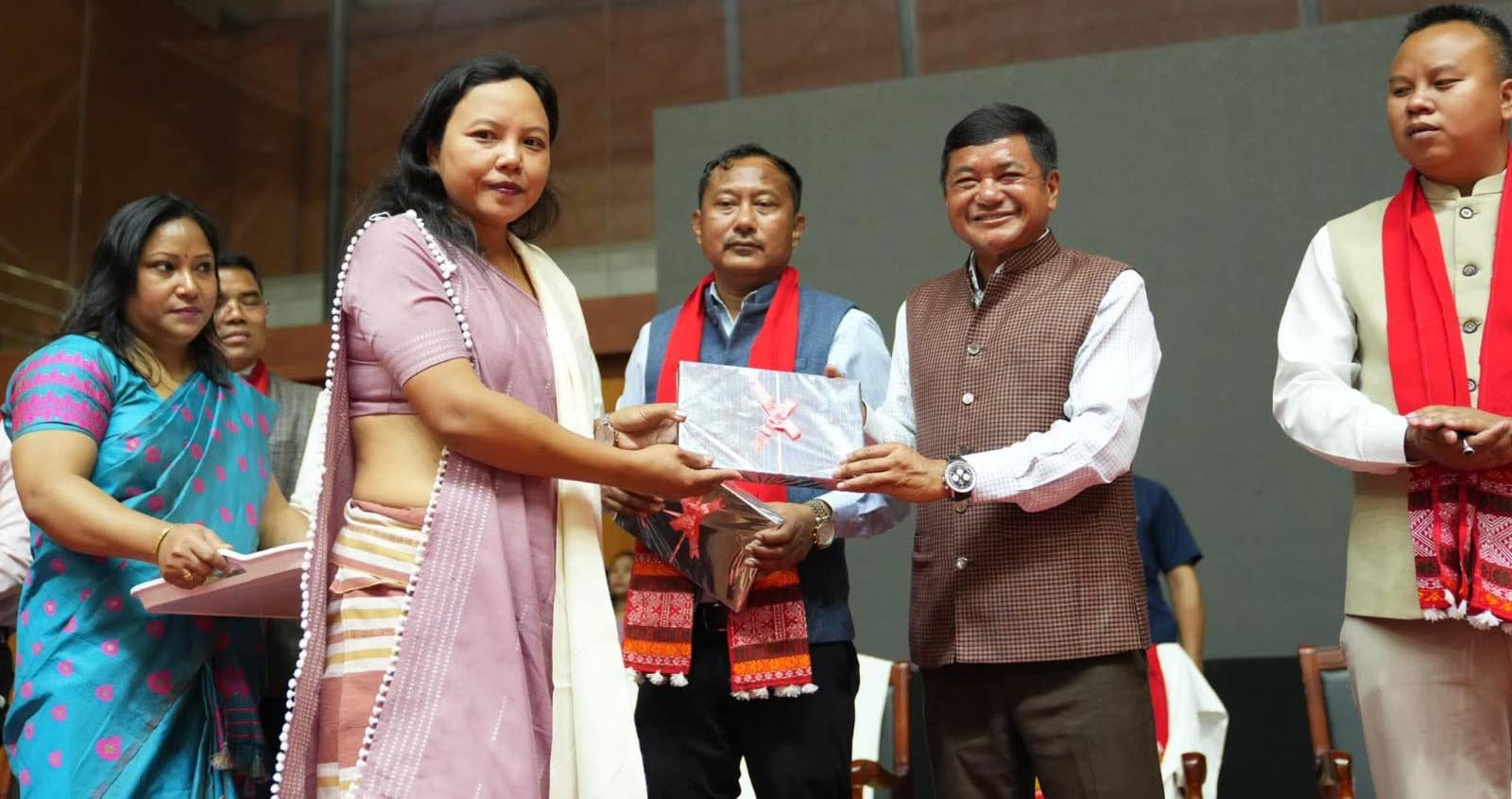
DIPHU, Feb 25: In a major push toward digital transformation in the education sector, the Karbi Anglong Autonomous Council (KAAC) in collaboration with Samagra Shiksha, Karbi Anglong, ceremonially distributed Tablet PCs to 552 Heads of Institutions (HoIs) on Wednesday. The event, held at the Sarsing Teron (Langkung Habe) Multi Utility Sports Complex Auditorium, targeted a wide range of educational bodies including Self-Based Schools, KGBVs, Adarsha Vidyalayas and Tea Garden Model Schools.
Related Posts:

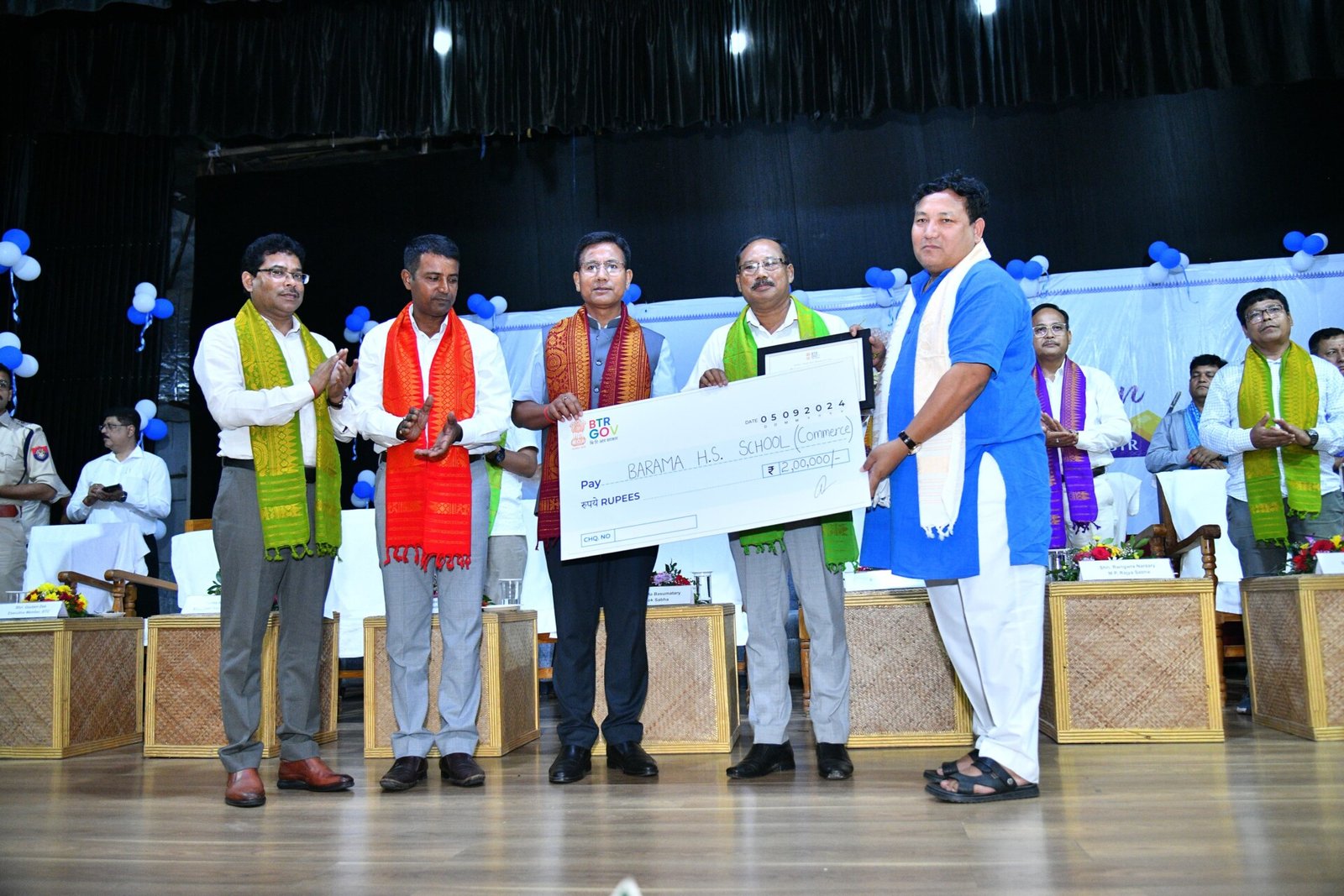
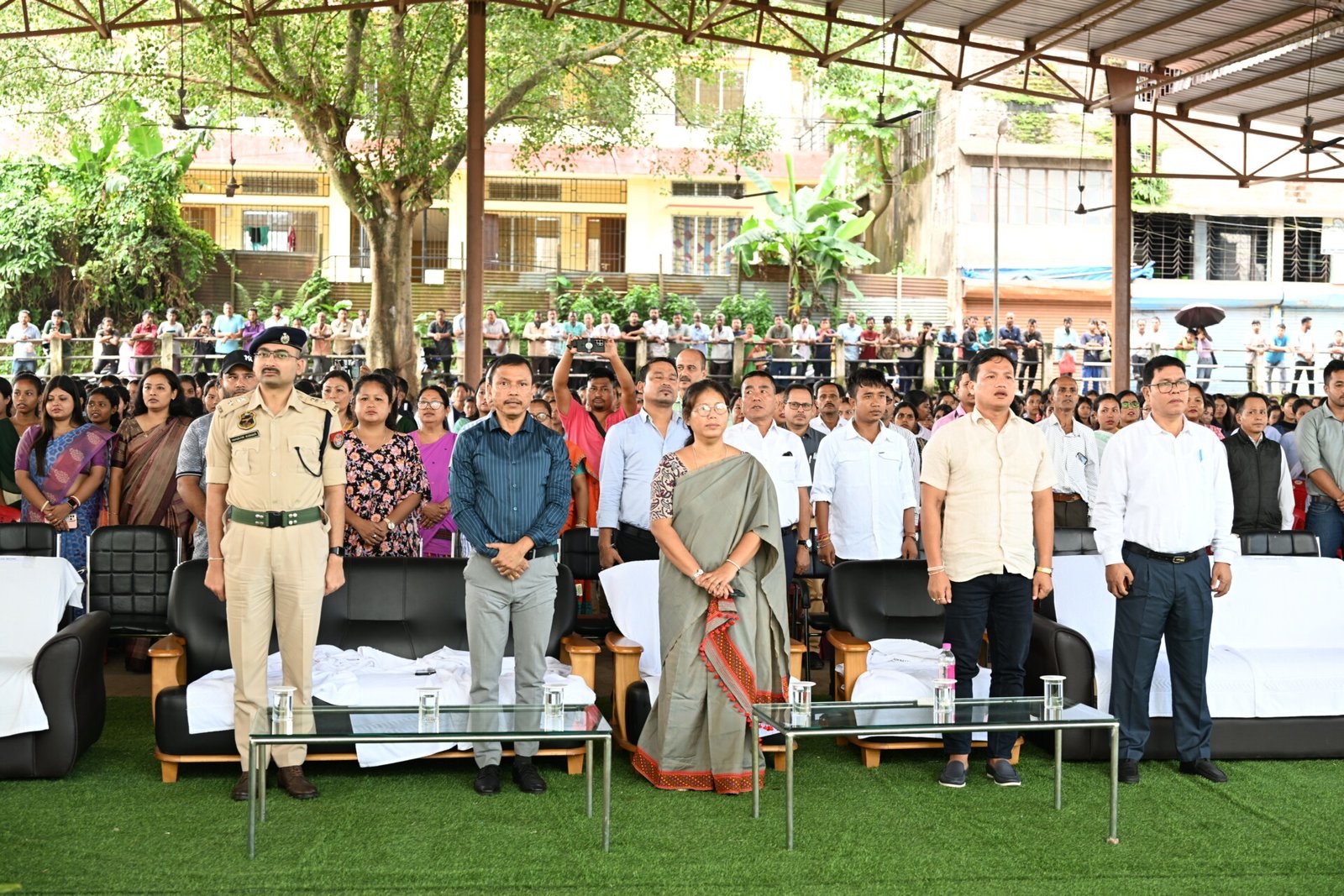
The distribution is designed to streamline academic and administrative functions across Karbi Anglong and West Karbi Anglong districts. The recipient list included Specialised Schools, KGBVs, NSCBAVs and Adarsha Vidyalayas, Community Focused, Tea Garden Model Schools and Support Units, CRCCs and AAROHAN mentee institutions.
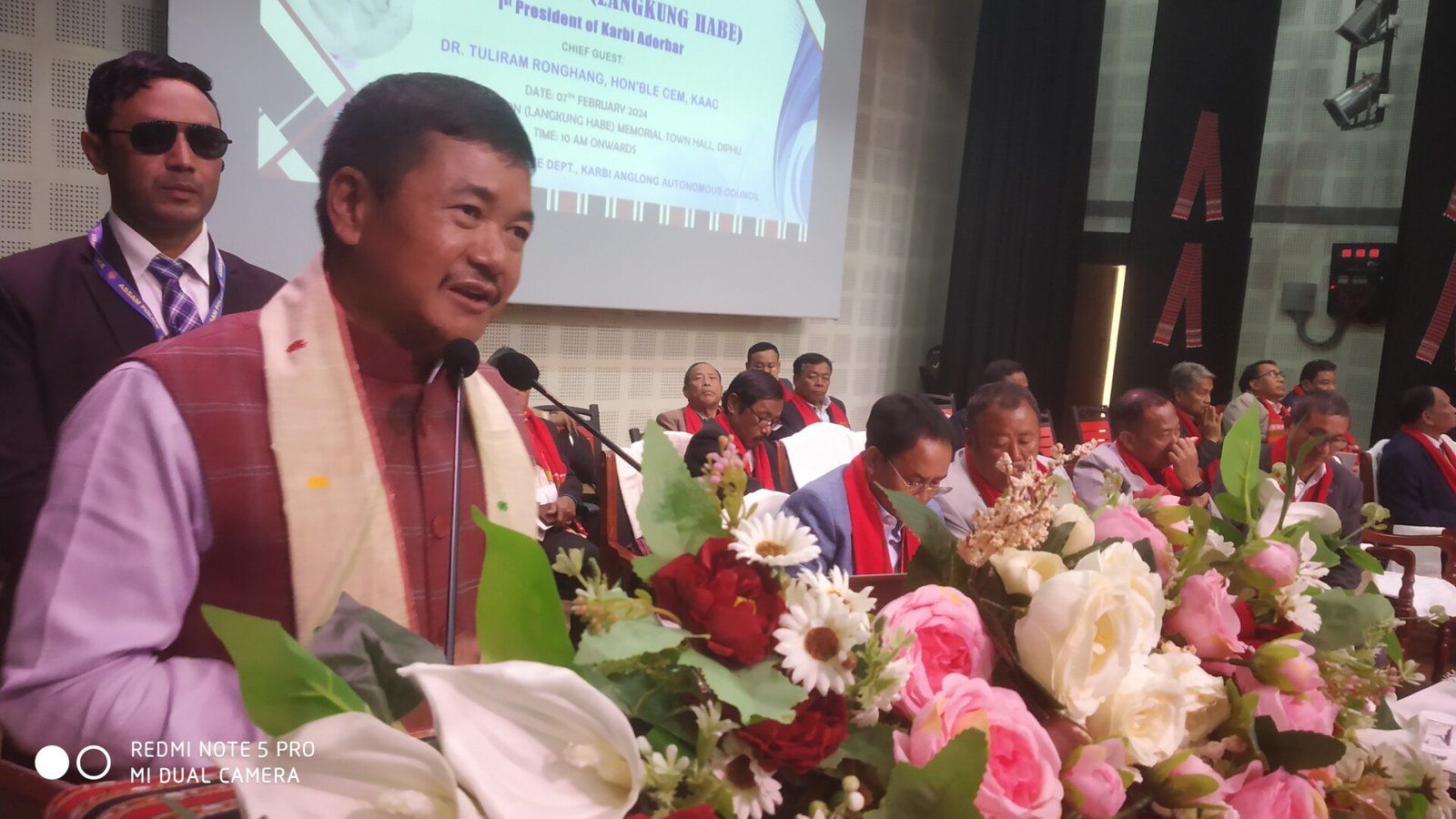
In his inaugural address, Richard Tokbi, Executive Member (EM) of KAAC for Education, praised the “revolutionary reforms” initiated by Chief Minister Himanta Biswa Sarma. He noted that tools like the Shiksha Setu app for tracking enrollment and the AAROHAN app for digital resources have turned Assam into a center of educational excellence.
“In this age of information technology, our teachers and students must not be left behind… our schools are now equipped with Tablet PCs to access digital learning platforms and ensure efficient school administration.” — Richard Tokbi, EM, KAAC.
Tokbi also extended gratitude to Tuliram Ronghang, Chief Executive Member (CEM) of KAAC, for ensuring budgetary provisions for school infrastructure and expanding mobile internet connectivity in remote areas. He challenged teachers to ensure these devices serve as more than just gadgets, urging them to bring a “new dimension” to classroom teaching.
Attending as the Chief Guest, CEM Tuliram Ronghang emphasised that digital empowerment is no longer optional but a necessity for modern competition.
The CEM’s intention is to raise the bar for education in both remote villages and urban centres. The tablets are expected to enhance academic planning and transparency. HoIs were urged to use the tools responsibly to directly improve student learning outcomes.
“These tablets represent opportunity, innovation and progress,” Ronghang asserted, framing the initiative as a cornerstone for a strong, future-ready education system within the KAAC region.