


HT Bureau
GUWAHATI, Sept 2: WWF-India, in collaboration with Bird Count India and eBird, an online database of bird observations, is going to launch a vulture count in Assam and 10 other states from September 7 to October 6.
As per an official statement, in Assam the count will be carried out at Dorabeel in Kamrup.
Related Posts:

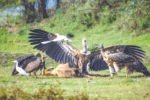

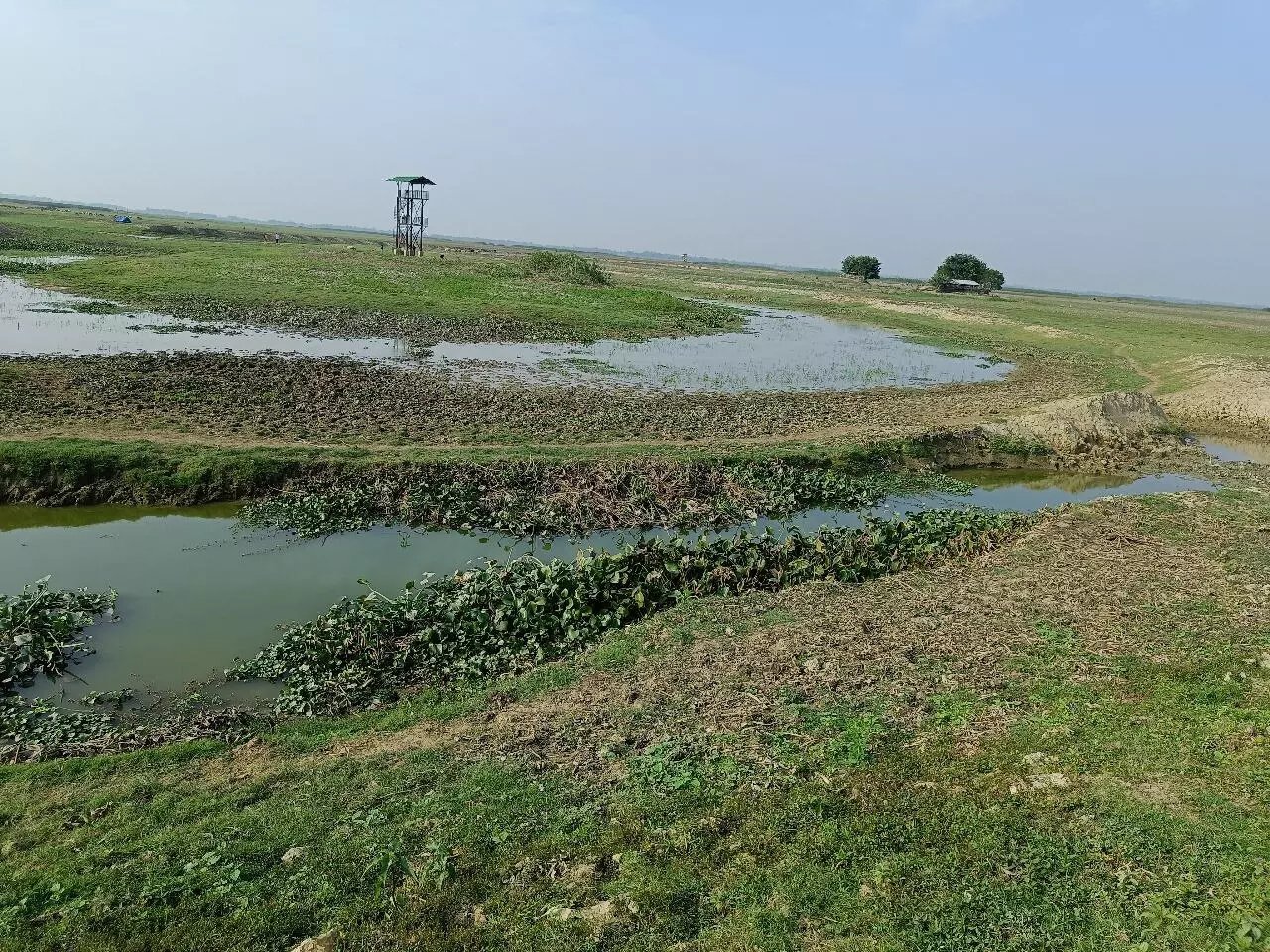
Besides Kamrup, the count will be also be conducted at Mallah Moud Carcass dump in Chandigarh, Lakhpat tauk in kachch, Dang in Surat, Shahpur village in Solan, Ramadevarabetta Vulture Sanctuary in Bengaluru, Geedgarh and Halali dam in Bhopal, Mangaon, Rajgad in Pune, menar bird village in Udaipur, Keoladeo NP in Bharatpur, Jorbeer in Bikaner, Gapernath in Kota, Degraj Mata Oran in Jaisalmer, Mudumalai TR and Satyamangalam in Coimbatore, Raipur Cricket Stadium and Langha Road Carcass Dump in Dehradun and Ghazipur Landfill, Asola Bhatti WLS in Delhi.
The vulture count 2024 which is a crucial citizen-science initiative has been aimed at monitoring and conserving India’s vulture populations will be conducted in 20 locations in these states.
“Vultures are nature’s scavengers. Their role in the ecosystem is paramount. Vulture Count 2024 represents a significant opportunity for citizen scientists, bird enthusiasts and local communities to contribute to vulture conservation and to increase awareness about them,” the statement quoted Dipankar Ghose, senior director – biodiversity conservation, WWF-India as saying.
“With the support of dedicated volunteers, we aim to gather crucial data that will guide our efforts in conserving these threatened birds,” Ghose added.
The count will focus on key vulture species, including the white-rumped vulture, red-headed vulture, Indian vulture, bearded vulture, slender-billed vulture, Himalayan griffon, Eurasian griffon, Egyptian vulture, and cinereous vulture.
WWF stated that this year’s vulture count invites local birding organisations, ornithologists, photographers and naturalists from across India to participate in the drive.
The statement further read that vultures are essential to the health of ecosystems, serving as nature’s clean-up crew. By feeding on carrion, they prevent the spread of diseases that could otherwise affect wildlife, livestock and humans. Their role in consuming decomposing animal carcasses helps with nutrient cycling and maintains ecological balance.
However, vulture populations in India have faced a dramatic decline due to several threats, including the ingestion of toxic non-steroidal anti-inflammatory drugs (NSAIDs) like diclofenac, commonly used to treat livestock, as well as habitat loss, electrocution, food scarcity and human disturbances. The alarming drop in vulture numbers has led to somespecies being classified as Critically Endangered by the IUCN.
“Vulture Count 2024 aims to address this crisis by systematically monitoring vulture populations. Gathering comprehensive baseline data will help track population trends, identify critical habitats, and assess the impact of environmental changes. This information will be vital for developing targeted conservation strategies and policies, and for raising public awareness and support for vulture conservation,” the statement concluded.