
HT Bureau
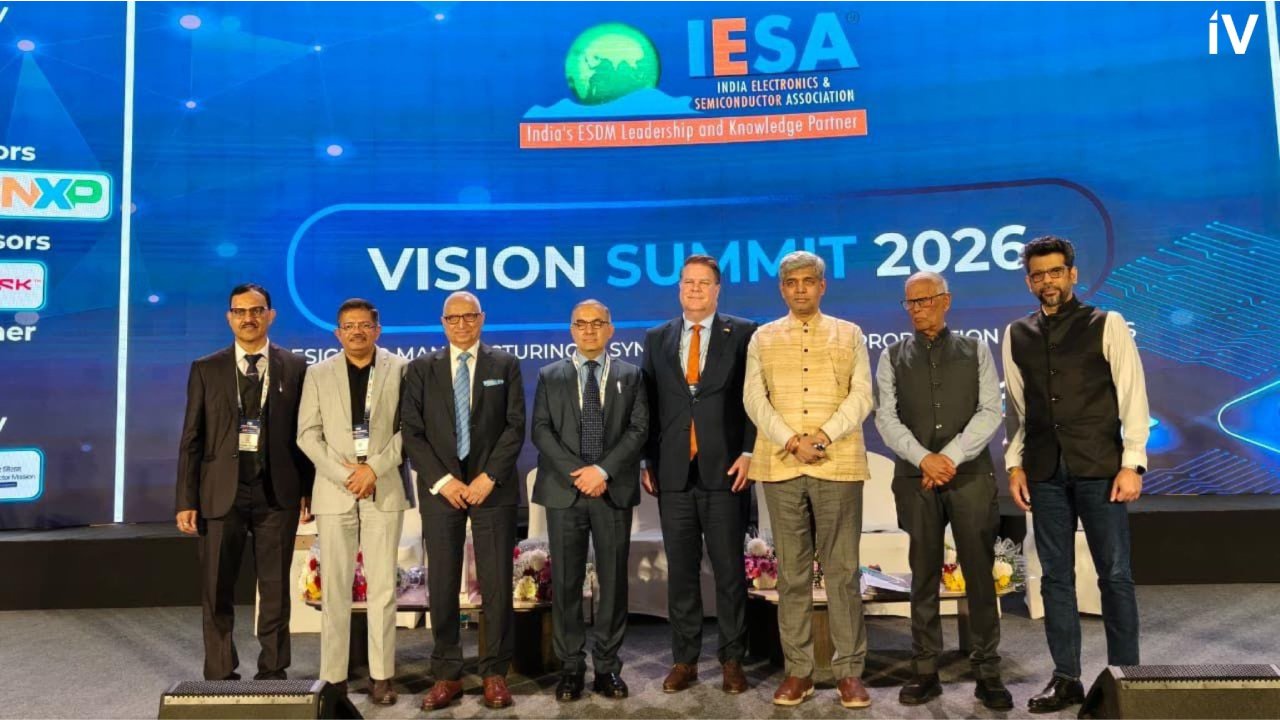
GUWAHATI, Feb 27: India Electronics & Semiconductor Association (IESA) inaugurated the Vision Summit 2026 at The Leela Bhartiya City Convention Centre in Bengaluru, bringing together industry leaders, policymakers and academia to accelerate India’s semiconductor and electronics manufacturing ambitions.
The two-day summit, themed “Design to Manufacturing: Synergy of Product, Production and Skill,” focused on bridging India’s globally recognised semiconductor design capabilities with scalable domestic manufacturing and a skilled workforce.
Related Posts:
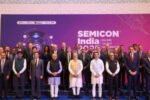
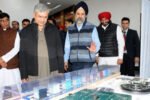

The inaugural session was addressed by Amitesh Kumar Sinha, CEO of the India Semiconductor Mission and Additional Secretary, MeitY; Manish Chadha, Joint Secretary, Ministry of Commerce and Industry; Rahul Sharanappa Sankanur, IAS; Ajit Manocha, President and CEO of SEMI; and other senior dignitaries from industry and government.
Ashok Chandak, President of IESA, said India has already demonstrated leadership in semiconductor design and must now complete the value chain by building and manufacturing world-class products at scale.
He described the summit as a national convergence platform where policy, partnerships, innovation and execution align to position India as a global hub for semiconductor design, manufacturing and innovation.
Amitesh Kumar Sinha said the India Semiconductor Mission is focused on supporting design, manufacturing and packaging under ISM 2.0, with emphasis on research and development and skilling to build a resilient and trusted supply chain.
He noted that AI infrastructure and semiconductor ecosystem development remain key priorities.
Ajit Manocha projected that the global semiconductor industry could reach $2 trillion by 2035, driven by artificial intelligence, advanced packaging and rising compute demand, and urged Indian industry to seize the opportunity created by supportive government policies.
Manish Chadha highlighted India’s growing strength in chip design and said the government is working to expand global market access through trade agreements and export promotion frameworks, aiming for leadership in targeted segments of the global electronics value chain.
A major announcement at the summit was the formation of IDSPS (Indian Design, Semiconductors, Packaging and Systems) as a dedicated division under IESA.
The division, to be led by Prof. Rao Tummala as CEO, will focus on long-term R&D in semiconductor manufacturing technologies with a forward-looking horizon of up to 10 years.
Other highlights included the grand finale of the IESA DeepTech Hackathon 2026, which saw over 900 registrations nationwide, and the IESA Technovation Awards 2026, a long-standing recognition platform in the ESDM sector.
The summit witnessed participation from more than 1,500 delegates on the opening day, featuring over 30 keynote addresses, seven panel discussions, 100-plus exhibition booths, a dedicated startup zone and skilling workshops, underscoring India’s intent to move decisively from a design powerhouse to a comprehensive semiconductor manufacturing ecosystem.