
HT Correspondent
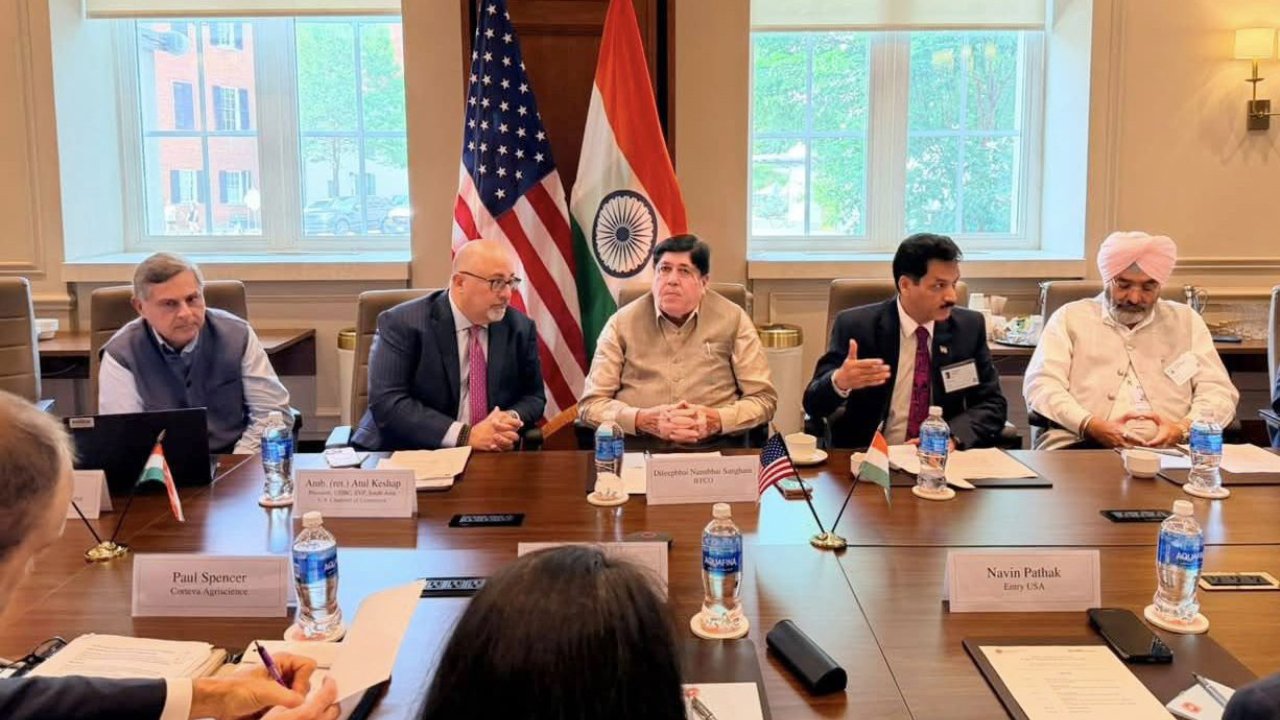
NAGAON, June 3: A high-level dialogue aimed at strengthening agricultural cooperation between India and the United States was recently held under the leadership of IFFCO Chairman Dileep Sanghani, drawing attention from policymakers, industry leaders and agricultural stakeholders in both countries.
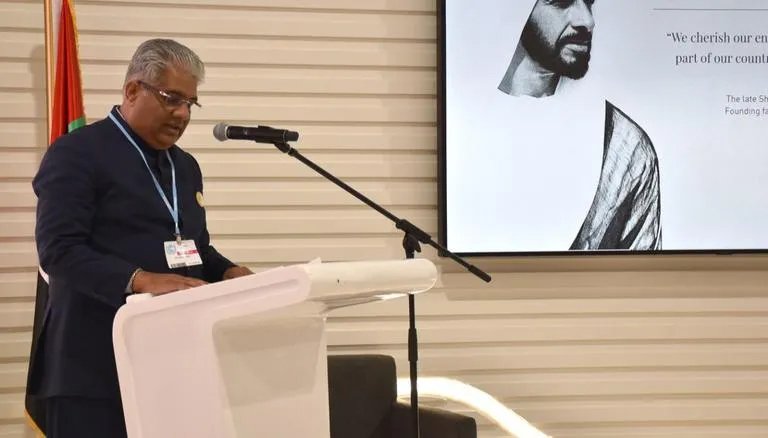
The interaction was hosted by the U.S.-India Business Council (USIBC) at its headquarters in Washington, DC, during a visit by a delegation of the PHD Chamber of Commerce and Industry (PHDCCI) led by Sanghani.
Related Posts:


Highlighting the significance of the engagement, the USIBC stated that the discussions would provide renewed momentum to India-US cooperation in the agricultural sector and help identify solutions to shared challenges while exploring new opportunities for collaboration.
According to the Council, the dialogue focused on strengthening partnerships in areas such as innovation-driven agricultural policies, sustainable farming practices, food security and farmer welfare.
The meeting also featured extensive deliberations on enhancing agricultural productivity, promoting the adoption of advanced technologies, improving soil health, providing technical support to farmers and developing innovation-based solutions for the agriculture sector.
Agricultural experts, policymakers and industry representatives from both countries agreed that deeper cooperation between India and the United States could create new opportunities for agricultural growth and deliver long-term benefits to farmers.
The USIBC noted that the engagement reflected the growing importance of India-US collaboration in agriculture and underscored the role of cooperative institutions in advancing sustainable agricultural development.
The recognition accorded by the USIBC, one of the leading business advocacy organisations in the United States, is also being viewed as a reflection of the increasing global recognition of India’s cooperative movement and IFFCO’s contribution to the agricultural sector.
The dialogue is expected to contribute to strengthening bilateral cooperation in agriculture, promoting innovation-led growth and enhancing food and nutritional security while supporting farmers’ income and productivity in both countries.