


IMPHAL: The Delhi High Court on Wednesday denied bail to Moirangthem Anand Singh, who was arrested for alleged links with rebel groups in Myanmar and for conspiring to wage war against India by exploiting the ethnic tensions in Manipur. The court emphasized the gravity of the charges and the potential threat to national security if Singh were released.
A bench comprising Justices Prathiba M. Singh and Amit Sharma ruled that granting bail could pose a flight risk and increase the likelihood of witness tampering. The court pointed to the fragile situation in Manipur, noting that Singh’s previous release had already triggered protests and worsened law and order in the state.
“Given the volatile situation in Manipur and the protests that followed his earlier release, granting bail could not only lead to the accused fleeing but also endanger witnesses and further disrupt law and order,” the bench stated.
Related Posts:


The court noted that the National Investigation Agency (NIA) had submitted material evidence establishing a prima facie case against Singh. It further observed that Singh failed to meet the “tripod test” under Section 439 of the Code of Criminal Procedure (CrPC), which assesses the severity of the offence, the possibility of influencing witnesses, and the risk of flight.
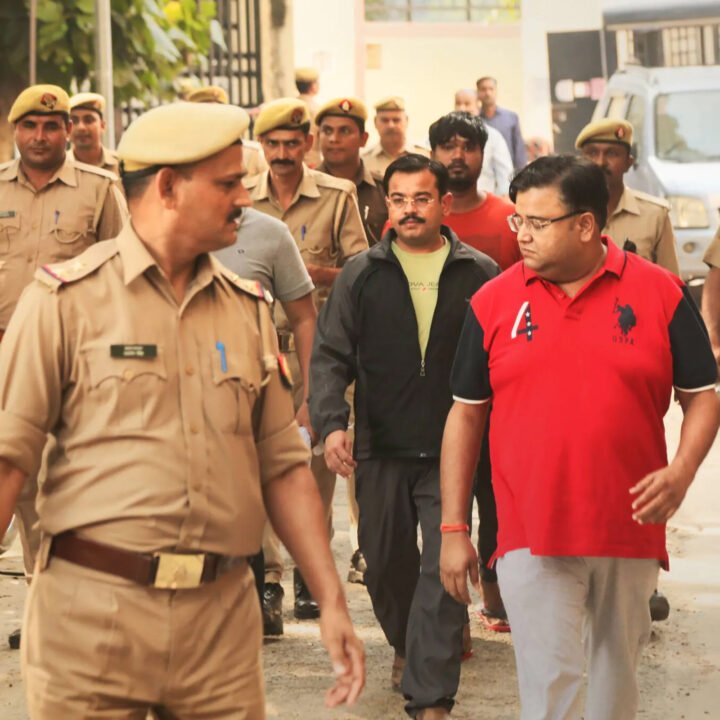
Singh was arrested in September 2023 in Manipur and subsequently taken to Delhi for questioning. He was among five individuals apprehended by Manipur Police for allegedly possessing weapons stolen from a police armory. The NIA, which registered the case on July 19, 2023, in Delhi, accused Singh of being part of a “transnational conspiracy” orchestrated by Myanmar-based terror outfits to wage war against India.
According to the NIA, the investigation revealed that banned militant groups were actively recruiting cadres, overground workers, and sympathizers to strengthen their ranks. The agency reported that these groups were acquiring weapons, ammunition, and explosives through illegal means, including looting government establishments, with the intent to attack security forces and rival ethnic communities.
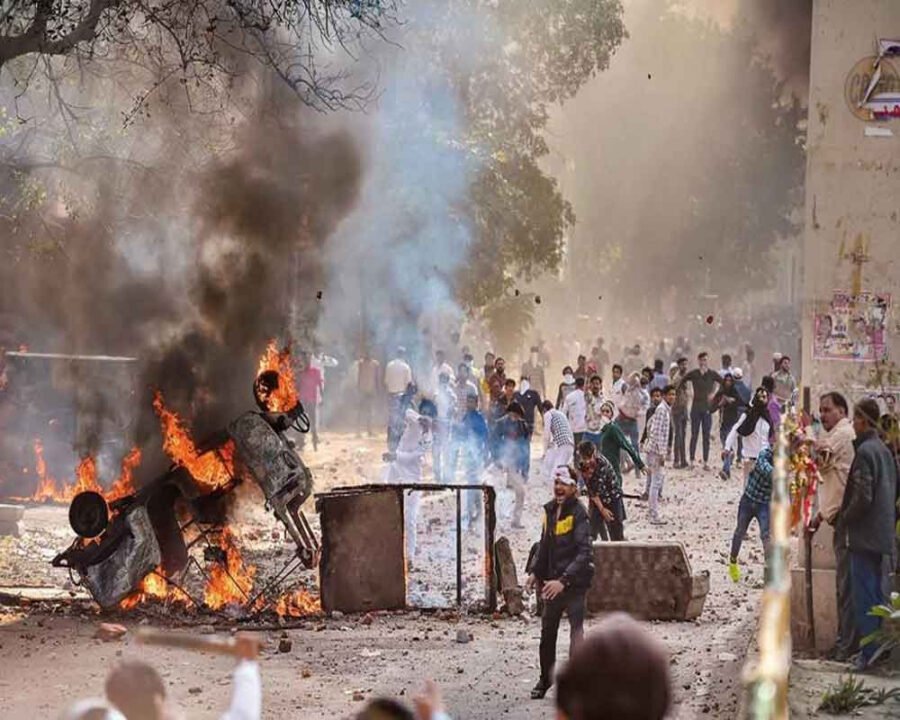
The high court also referenced the violent unrest that erupted after Singh’s arrest, underscoring his strong influence in the region. “The way law and order collapsed in an attempt to secure his release reflects the extent of his influence. The attacks on police stations, pressure exerted on law enforcement, public prosecutors, and even the courts, raise serious concerns,” the court remarked.
Given these factors, the court determined that Singh’s release could pose significant risks and denied his bail plea.