
HT Bureau
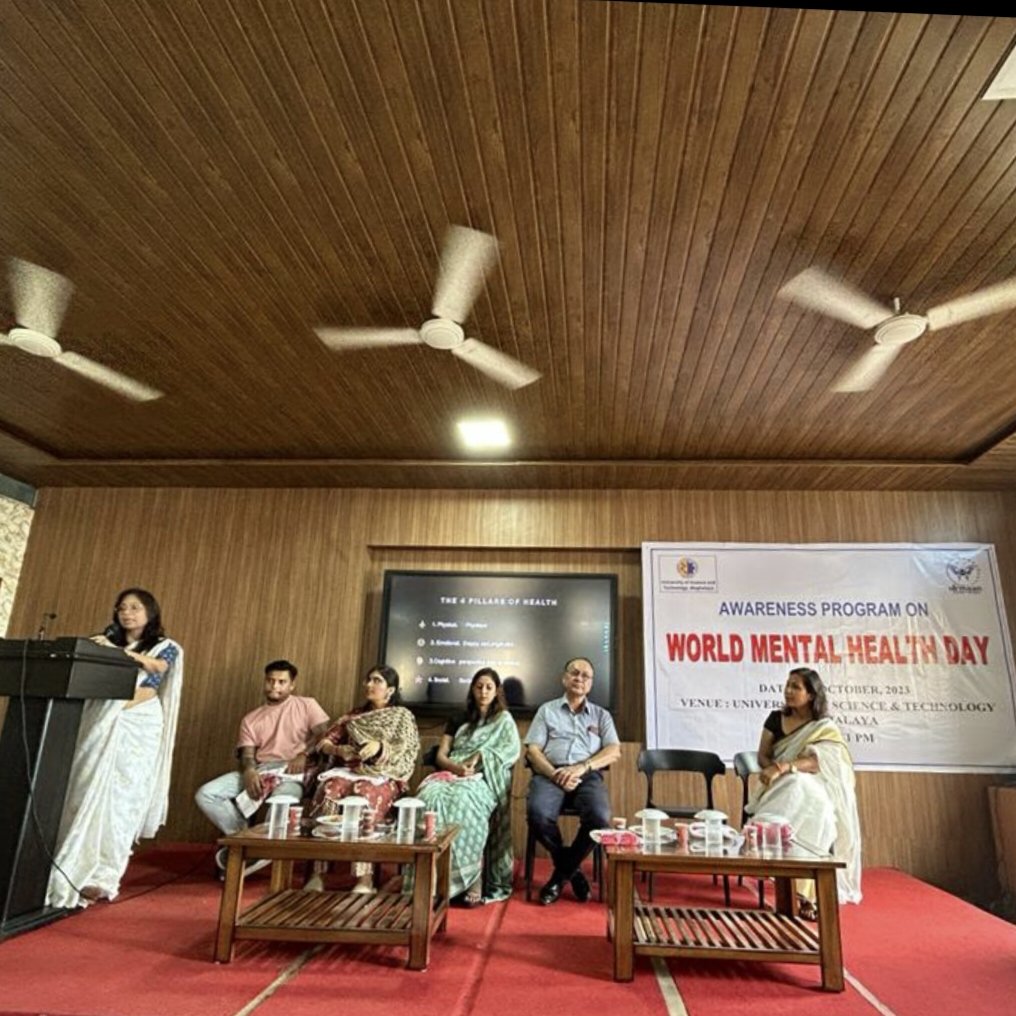
GUWAHATI, Oct 11: A National Workshop on ‘Fostering
Mental Health and Well-Being for Enhanced Quality of Life’
was organised recently by the University School of Law and
Research, USTM in collaboration with Nirman Rehabilitation
Facility, Guwahati commemorating World Mental Health Day.
The event aimed to create awareness about mental health
issues and reduce stigma through expert insights and
interactive sessions. Its objective was to provide practical
strategies and tools for improving mental well-being,
encourage advocacy and active participation in promoting
mental health support and services.
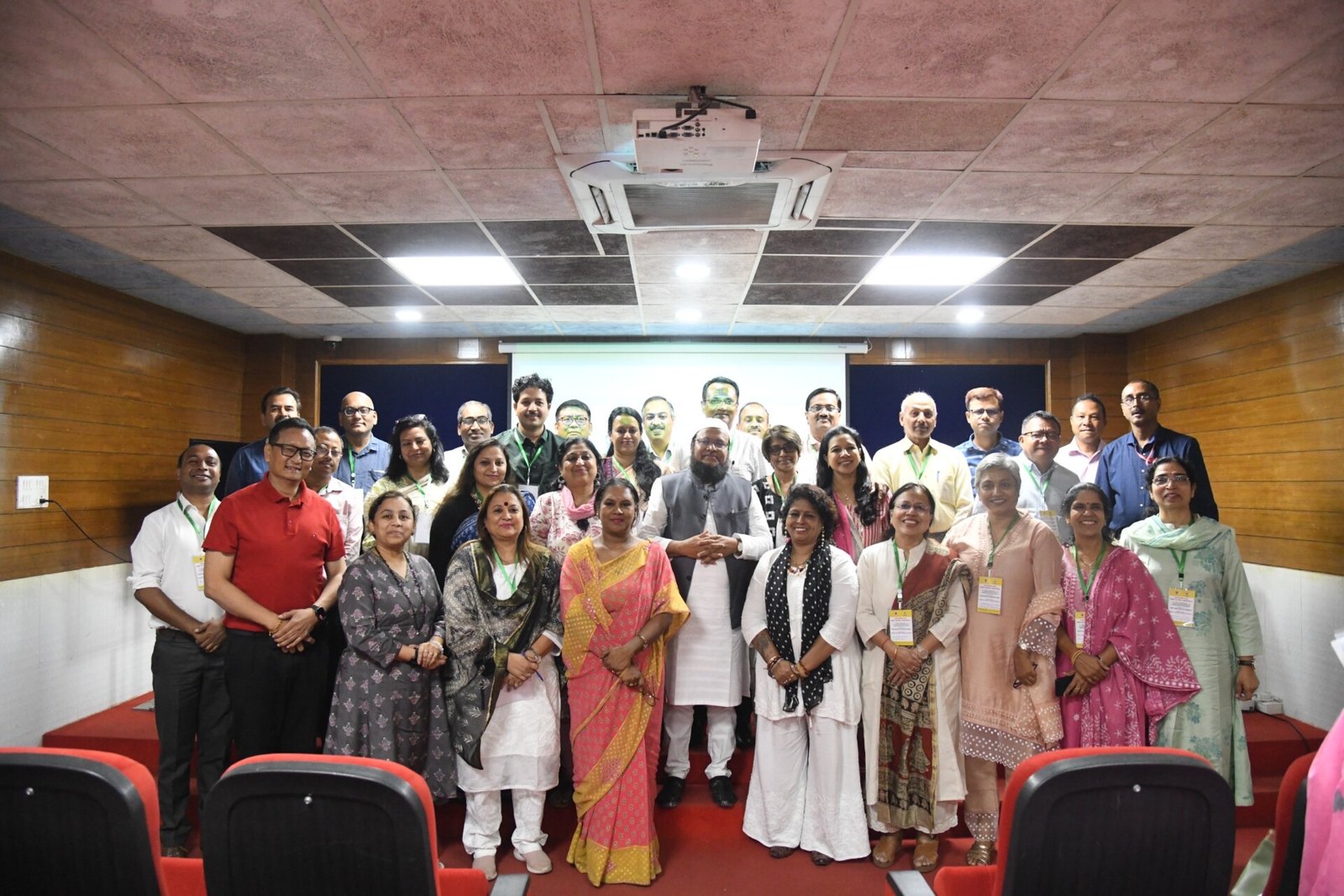
The event was graced by Sanjeev Bhattacharya (peer
educator), Piyali Bhattacharya (family therapist), Nimisha
Choudhary (counseling psychologist), Kirti Sharma
(counseling psychologist) together with the students and
faculty members of University School of Law and Research,
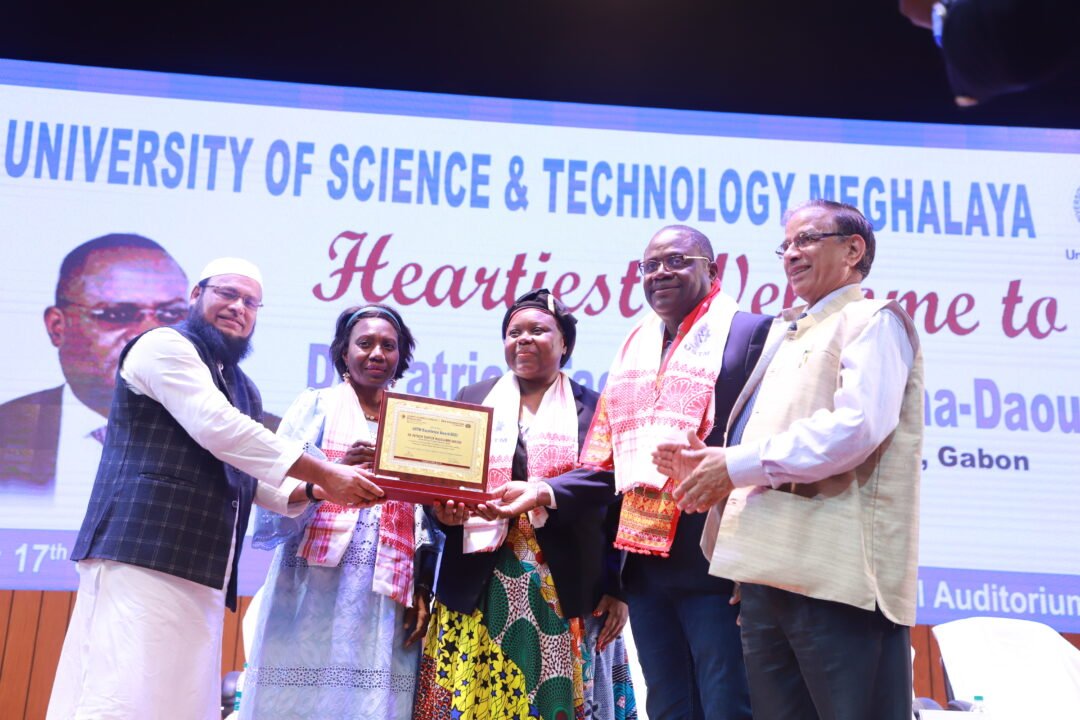
USTM. Baharul Islam, dean, University School of Law and
Research, USTM felicitated the guests Sanjeev Bhattacharya,
Piyali Bhattacharya, Nimisha Choudhary and Kirti Sharma.
Addressing the participants, Kirti Sharma highlighted this
year’s theme of World Mental Health Day –”Mental Health is
a Universal human right” which she said is a global reminder
as to the importance of Mental Health and how we should
not put a blind eye to it. Emphasising our negligence towards
it, she stated “In case of mental health we delay because of
the stigma attached to it. We self-diagnose it and therefore
lag behind”. She stated how we should take prompt actions
for mental health and not wait for trauma to take over us.
Sanjeev Bhattacharya, peer educator highlighted substance
use disorder which has taken a toll on the youths now-a-
days. He stated peer pressure, social environment, and
genetic factors to be the main cause of SUD. He explained
briefly the features of SUD such as negative consequences,
denial, and loss of control to name a few. He stated, “SUV is
not a habit but a disorder and outside help needs to be taken
for it”
Piyali Bhattacharya then spoke at length on what health
actually means, presenting statistics on mental health in
India, the reasons for not seeking help, general family
response, and finally the treatment for it. She stated how
health cannot be confined only to physical health but consists
of four pillars which are physical, environmental, cognitive,
and social health. She in her speech highlighted the
treatments available for mental health such as OPD and
rehabilitation, the procedures involved in it, and how one is
required to seek it breaking the stigmas attached to it. This
was followed by an interactive session with the students of
USLR.