

HT Correspondent
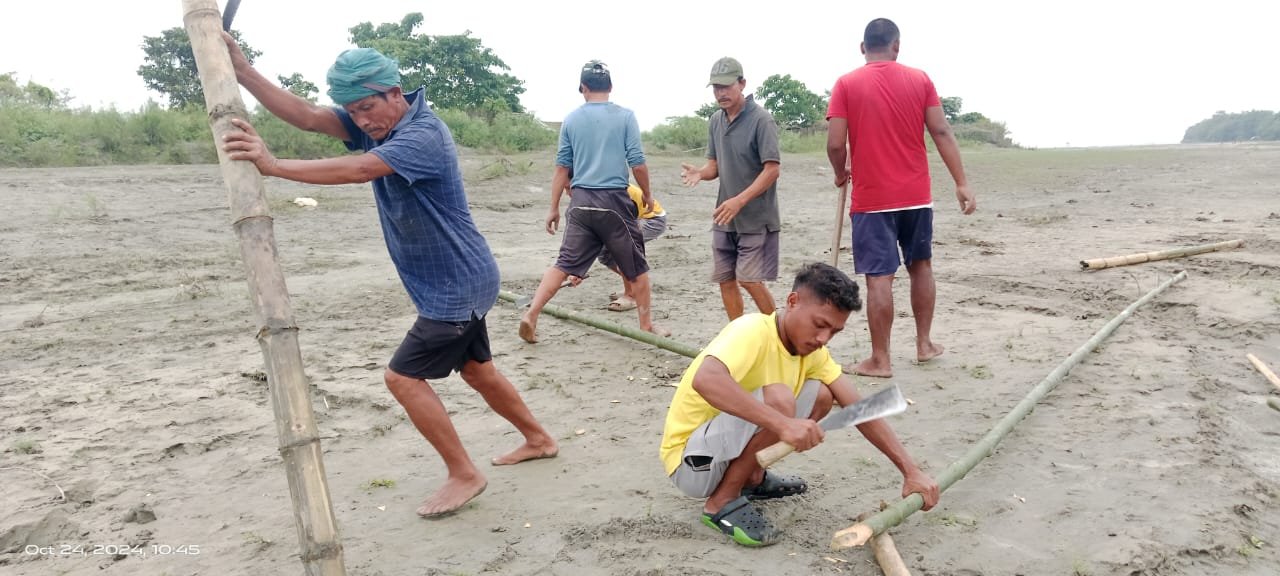
SIVASAGAR, June 13: In a major step toward mitigating the longstanding human-elephant conflict in the Konwarpur-Desangmukh region of Assam, premier environmental organization Aranyak has successfully completed the installation of 30.1 km of solar-powered fencing around eight vulnerable villages. The initiative aims to safeguard villagers’ crops from repeated depredations by wild elephants, which have caused significant damage during the harvesting seasons over the years.
The solar fencing now encircles the villages of Hatisal Chapori, Sagunpara, Bejor Chiga, Jopong Gaon, Tinigharia, Sumoni Chapori, Major Chapori, and Suwal Bagh Gaon. These areas have faced annual invasions by herds of over a hundred elephants, resulting in the destruction of livelihoods and posing safety risks to the villagers.
Related Posts:


According to renowned environmentalist and activist Padum Saikia, the project has been undertaken by Aranyak in collaboration with Darwin Initiative and British Asian Trust for Elephant Family. The combined efforts of these organizations aim to not only deter elephant incursions but also foster peaceful coexistence between humans and wildlife. The intervention is projected to directly benefit approximately 5,000 individuals across 1,047 households in the region.
It is pertinent to note that this landscape—stretching towards the Panidihing Bird Sanctuary (formerly the Maranani Reserve Forest)—historically served as a vital elephant corridor. From prehistoric times, herds of elephants used to traverse this region freely, particularly the Brahmaputra chaporis (riverine sandbars). However, with increasing human encroachment, expansion of agricultural activities, and degradation of natural habitats, elephants have been pushed out of their traditional migratory routes. This ecological imbalance has led to a growing number of man-elephant confrontations in the area.
The solar fencing initiative is part of a larger conservation strategy to reduce conflict while preserving the ecological integrity of the region. Community engagement and local participation have also been key components of the project, ensuring a sense of ownership among the residents and long-term sustainability of the intervention.
As Assam continues to face the dual challenge of wildlife conservation and rural livelihood protection, initiatives like this mark a hopeful and practical step forward in achieving harmony between nature and human development.