

HT Correspondent
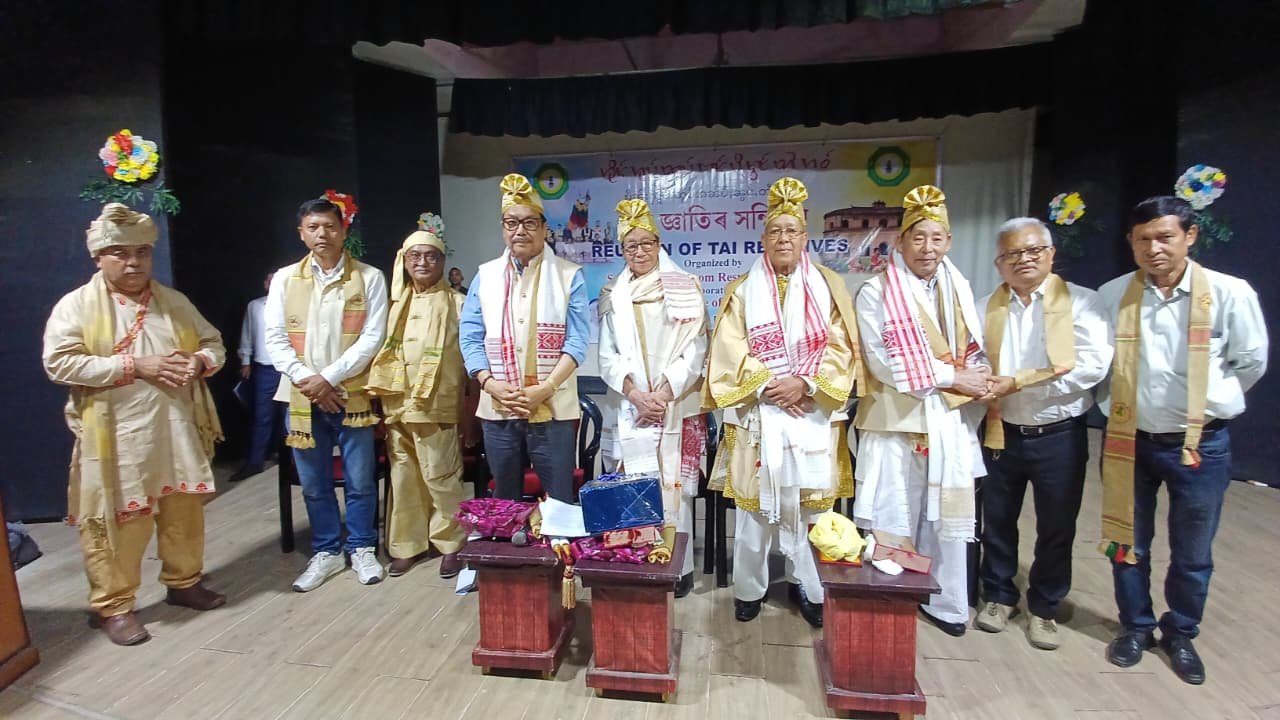
SIVASAGAR, Nov 8: Tracing their roots in the Ahom land, a five-member Tai Ahom community delegation from Myanmar arrived in Sivasagar on Friday to celebrate their shared heritage over the centuries and foster collaborations across different sectors.
On the occasion of a reunion of Tai relatives, a grand function was organised by The Society for Tai Ahom Resurgence at Yuvadoul Auditorium. The event was graced by the Deputy Chief Minister of Arunachal Pradesh, Chowna Mein. Welcoming the delegation, Mein said it was a pleasant moment for the people of Tai roots and expressed hope that the visit would strengthen cultural and historical relations between the two countries. He added that the Tai Ahom legacy continues to inspire generations through its values of courage, wisdom and unity.
Related Posts:

Dr Hiranmoni Borgohain Gogoi of Dibrugarh University remarked that the delegation’s visit would help reinforce social, cultura, and economic ties between the communities.
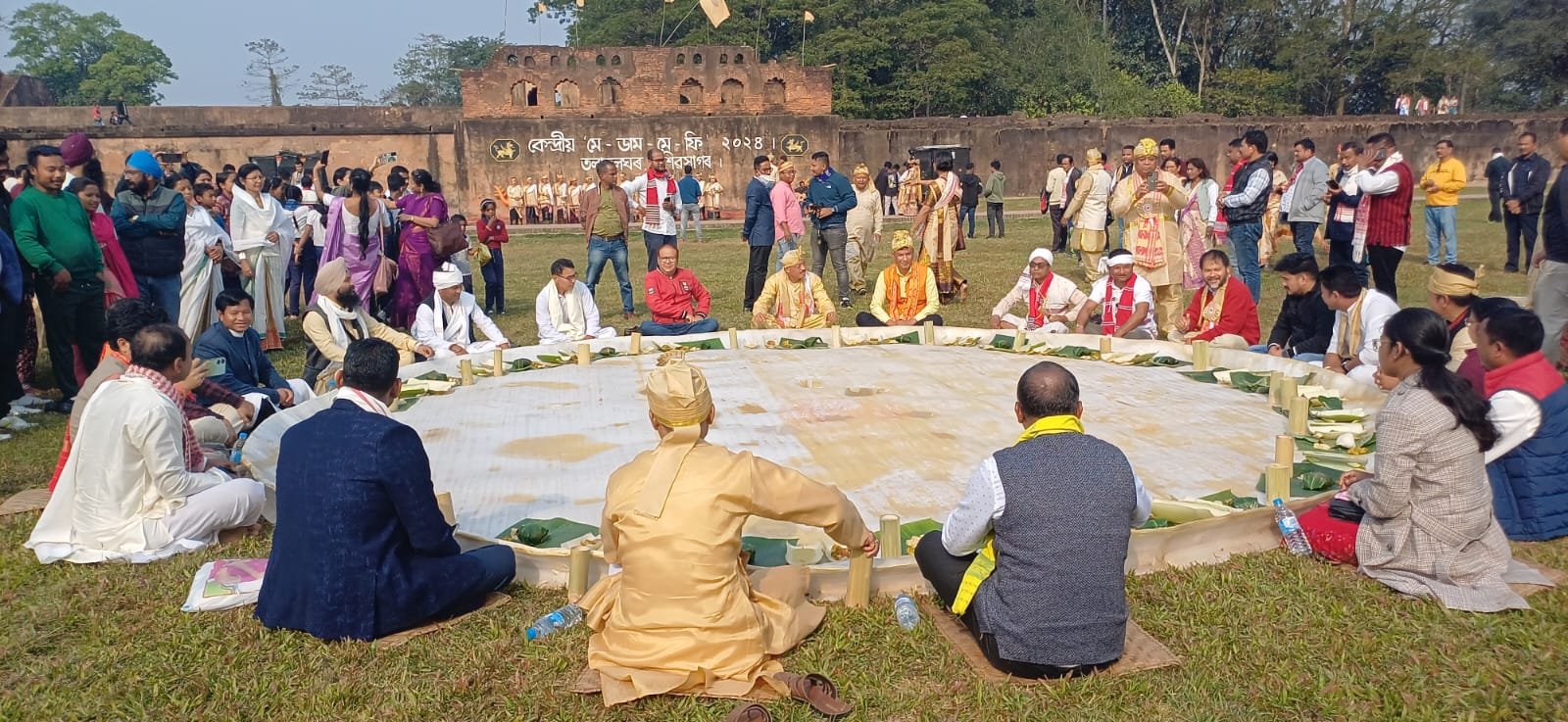
The program featured vibrant cultural performances by the Tai Khamti cultural troupe, including Ai Sing Lao, Ahom Tai modern dance, Handing dance, Peacock dance, KTo dance, Tai chorus and performances on traditional Tai musical instruments. The delegation also embarked on a tour from Sivasagar to Charaideo and Tipam visiting several historical monuments that chronicle their illustrious ancestors’ legacy.
Earlier in the visit, the delegation paid tribute to music icon Zubeen Garg. Distinguished citizens, including Tultul Handique, Dr Hemanta Kumar Gogoi and Krishna Kamal Lahon, attended the historic gathering.
The Tai-Ahoms migrated to the Brahmaputra valley in the 13th century from Mong Mao in China’s Yunnan province or Myanmar’s Hukawng Valley. Sukapha, a Tai prince from Mong Mao, arrived in Assam in 1228 and established the Ahom dynasty, which ruled the region for nearly 600 years until the advent of the British.
The delegation’s visit aims to reinforce centuries-old social, cultural and historical-economic ties between the communities while celebrating the enduring legacy of the Tai Ahom people.