

HT Bureau
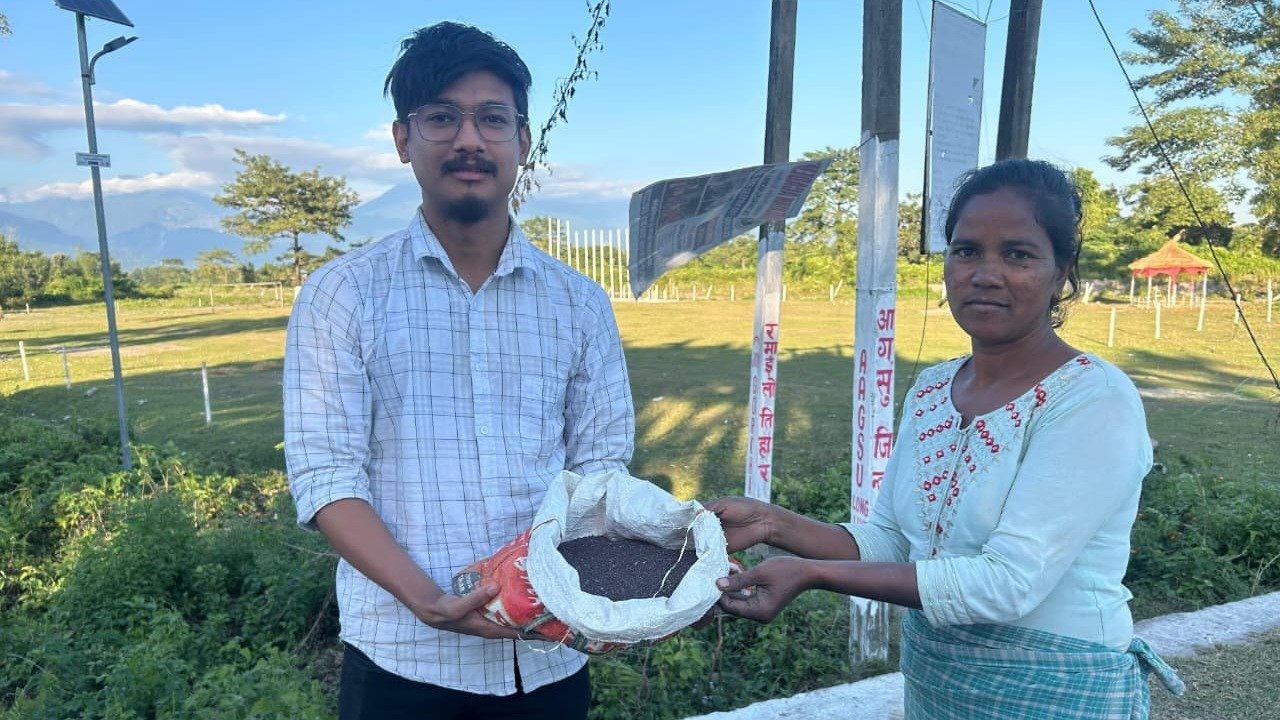
GUWAHATI, Nov 29: To strengthen support for communities living in high human–elephant conflict (HEC) zones, Aaranyak, with support from LIC HFL’s CSR initiative, has continued its efforts to promote mustard cultivation as an elephant-resistant crop.
Mustard, being less palatable to elephants, offers a practical and sustainable alternative for farmers frequently affected by depredation of crops such as paddy.
Related Posts:


As part of the initiative, 150 kg of mustard seeds were distributed to 45 farmers during October–November 2025 across the villages of Rangapani, No 1 Sikaridanga, No 2 Sikaridanga, and No 1 Samrang, No 3 under the Mazbat Development Block, and Bholatar, Nonaikhas, No 2 Samrang and Garuajhar under the Bhergaon Development Block of Udalguri district.
Udalguri is among the districts in Assam that face frequent crop damage during seasonal elephant movement, particularly during the paddy-growing and harvesting periods.
Since a majority of households rely on agriculture, even moderate crop loss significantly affects household income and food security.
In this context, mustard cultivation has emerged as a safer and more viable option.
While elephants may occasionally enter mustard fields, they seldom feed on the crop, resulting in a considerable reduction in crop‐raiding incidents and losses.
This shift not only supports human–elephant coexistence but also enhances livelihood stability for local farming communities.
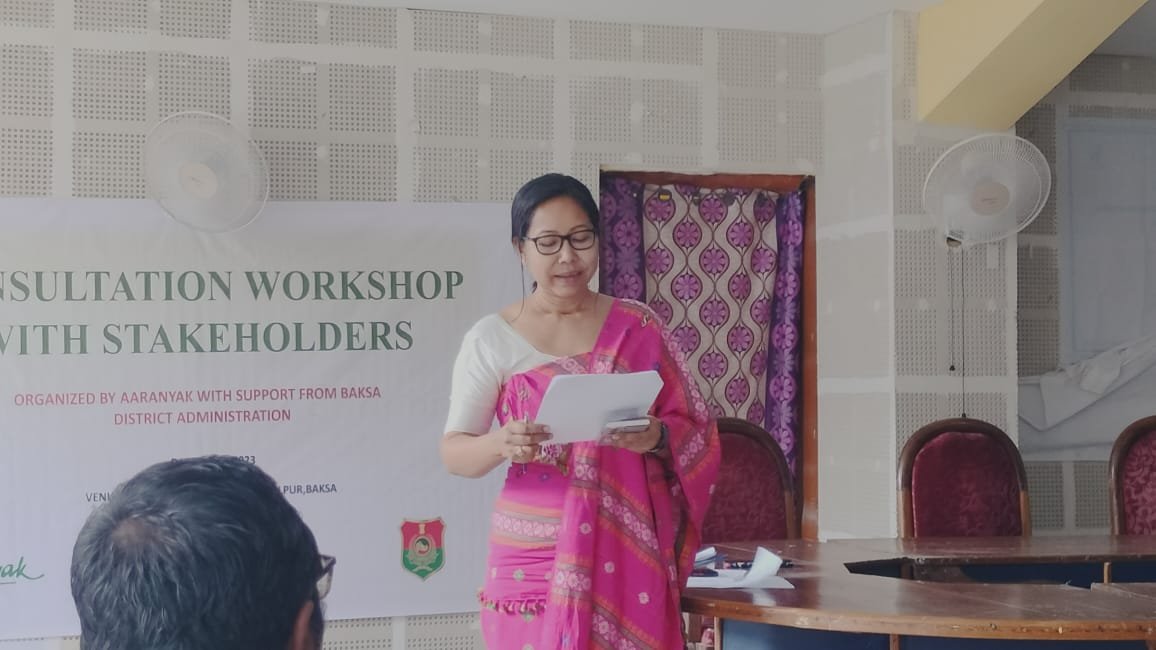
The intervention followed a need-assessment survey conducted among local communities to identify the most feasible alternative crop choices for mitigating elephant depredation impacts and addressing climate-related challenges.