

HT Correspondent
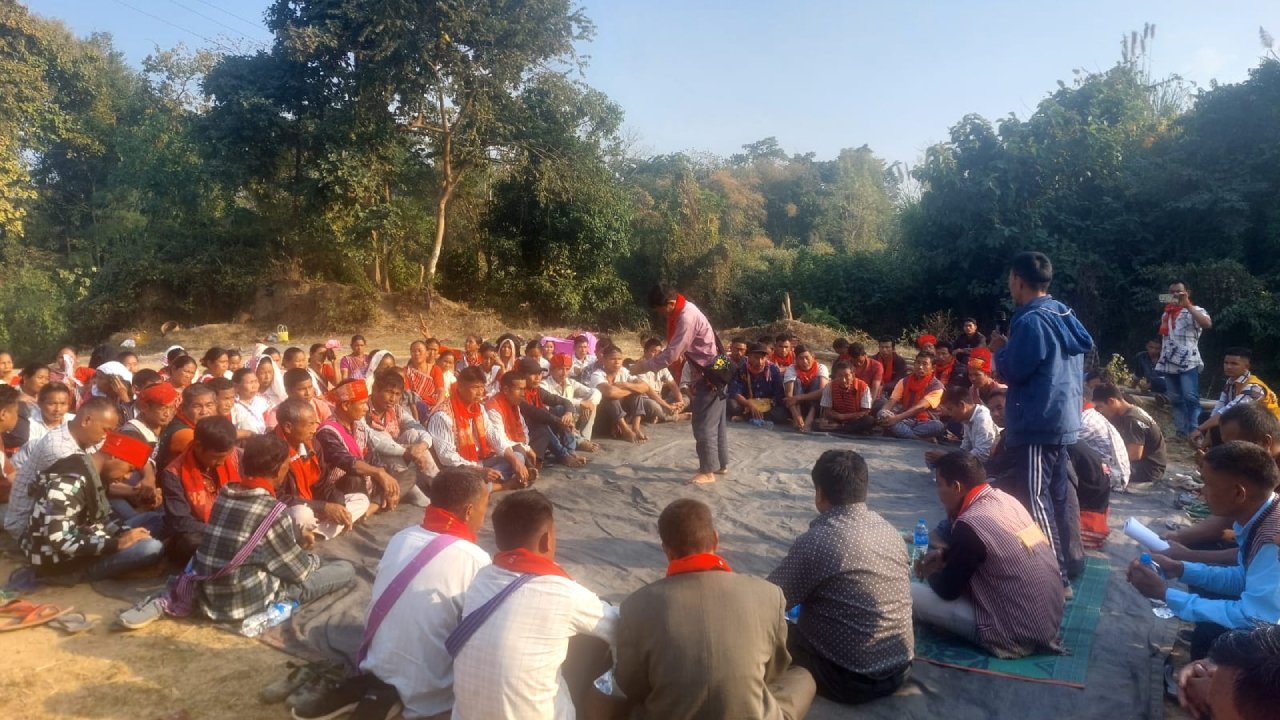
BOKAJAN, Jan 20: A significant coordination meeting was held recently involving village heads (Rong Asar) and residents from the 24 Deopani Constituency, focusing on the development and preservation of local picnic spots and traditional governance.
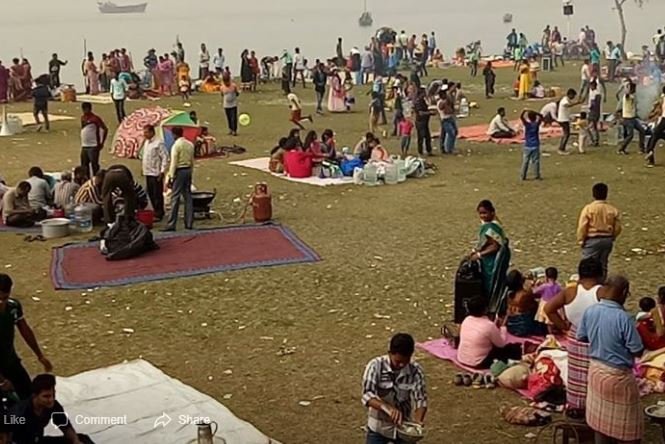
The gathering took place near the scenic Athak Arnam Langpi Bohakangtui picnic spots, stretching between Rong Asar and Servankep. The primary objective was to foster better communication and unity among the villagers regarding the management of these local landmarks.
Related Posts:

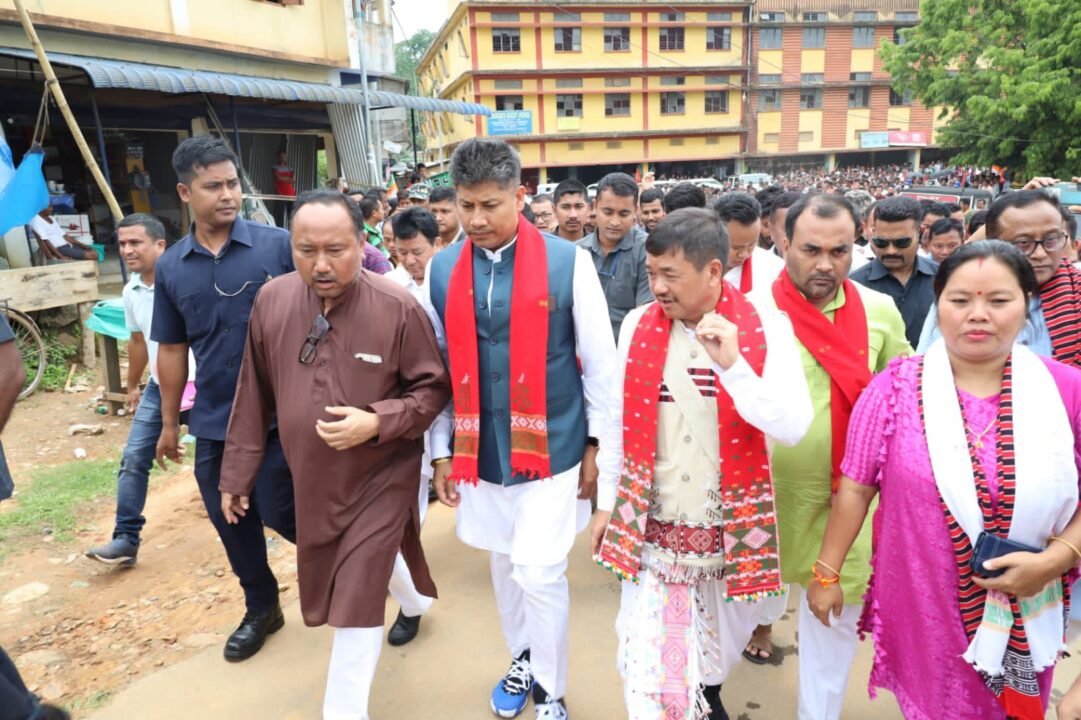

The meeting was led by Ajay Sing Bey, the Executive Member (EM) for the Deopani Constituency. Several prominent local leaders were in attendance to show their support and provide guidance, including Hunaram Tisso, District Committee Member; Haison Tisso, Rong Asar and Chandra Teron, vice president of the Karbi Rong Asar Amei (KRAA).
Representatives from over 25 nearby villages participated, ensuring that the voices of the grassroots community were heard.
A major highlight of the discussion was the implementation of the Traditional Village Development Committee (TVDC). Chandra Teron addressed the crowd, emphasising the importance of following official rules and regulations to ensure effective local administration.
The leaders shared a promising update regarding the commitment of the Karbi Anglong Autonomous Council (KAAC). Following a decade of persistent appeals from the Rong Asar, CEM of Karbi Anglong Autonomous Council, Dr Tuliram Ronghang has reportedly assured the community that the TVDC will be officially recognised and established.
The transition to the TVDC model is expected to bring several advantages to the Upper Deopani area, including direct financial resources from the Central Government to the TVDC, increased autonomy for village heads and residents over local projects and improved management of tourism and picnic spots to boost the local economy.
The meeting concluded on a high note, with the Rong Asar and the residents of the 25 participating villages expressing their joy and optimism for the future of their traditional administration and regional development.