

HT Bureau
GUWAHATI, Jan 28: With cardiovascular diseases emerging as one of the leading causes of death among adults above 40 in Assam, and increasingly affecting people at a younger age in urban and hilly regions, Medanta – The Medicity on Wednesday showcased the future of advanced heart treatment, underlining the need for early detection and proactive care.
Gurgaon-based Medanta, which has been ranked the Best Private Hospital in India by Newsweek for six consecutive years, brought its specialised cardiac expertise to Guwahati as part of its continued outreach to the North Eastern states.
Related Posts:



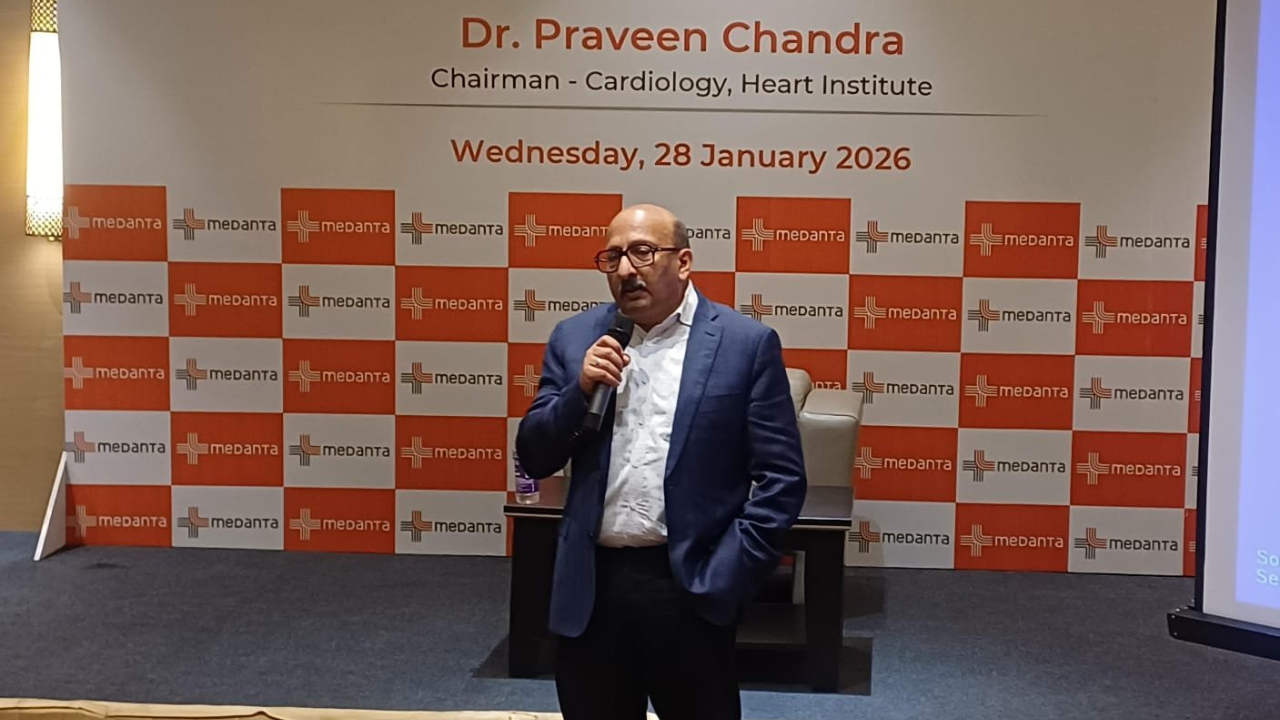
Addressing doctors and healthcare stakeholders, Dr Praveen Chandra, Chairman, Interventional Cardiology, Cardiac Care at Medanta – The Medicity, highlighted the growing burden of cardiac diseases in the region and reiterated Medanta’s commitment to making world-class healthcare accessible beyond metropolitan centres.
Speaking on the topic “Treatment of CAD & Valvular Heart Diseases in 2026 – Where have we reached”, Dr Chandra said cardiovascular care has entered a new era marked by precision-driven and minimally invasive interventions.
“We now have advanced cardiac interventions — including a range of valve repair and replacement options, where damaged heart valves are either repaired to restore proper function or replaced with artificial valves,” he said.
He explained that treatment approaches have expanded to include minimally invasive small-access surgeries that use smaller incisions to reduce pain, scarring and recovery time, as well as robotic-assisted surgeries that enhance precision and control during complex procedures.
“There are also advanced interventions to manage uncontrolled blood pressure and cholesterol, which play a critical role in preventing long-term cardiac complications,” Dr Chandra added.
Coronary Artery Disease, one of the most common cardiac conditions, is caused by plaque build-up in heart arteries and is driven by factors such as high cholesterol, smoking, diabetes, hypertension, obesity, stress, unhealthy diets and physical inactivity.
Valvular Heart Disease, on the other hand, affects the heart valves and disrupts blood flow, leading to symptoms such as breathlessness, chest discomfort and fatigue, and can progress to heart failure or stroke if left untreated.
Dr Chandra stressed that the future of cardiac care lies in shifting from a reactive to a preventive approach.
“By integrating medical expertise, technology and community health programmes into a unified strategy, we can transform heart care from being reactive to proactive — preventing avoidable complications and saving countless lives,” he said.
Medanta officials said the initiative in Guwahati reflects the hospital’s broader vision of strengthening advanced cardiac care across regions, particularly in states where awareness, early diagnosis and access to specialised treatment remain key challenges.