

HT Correspondent
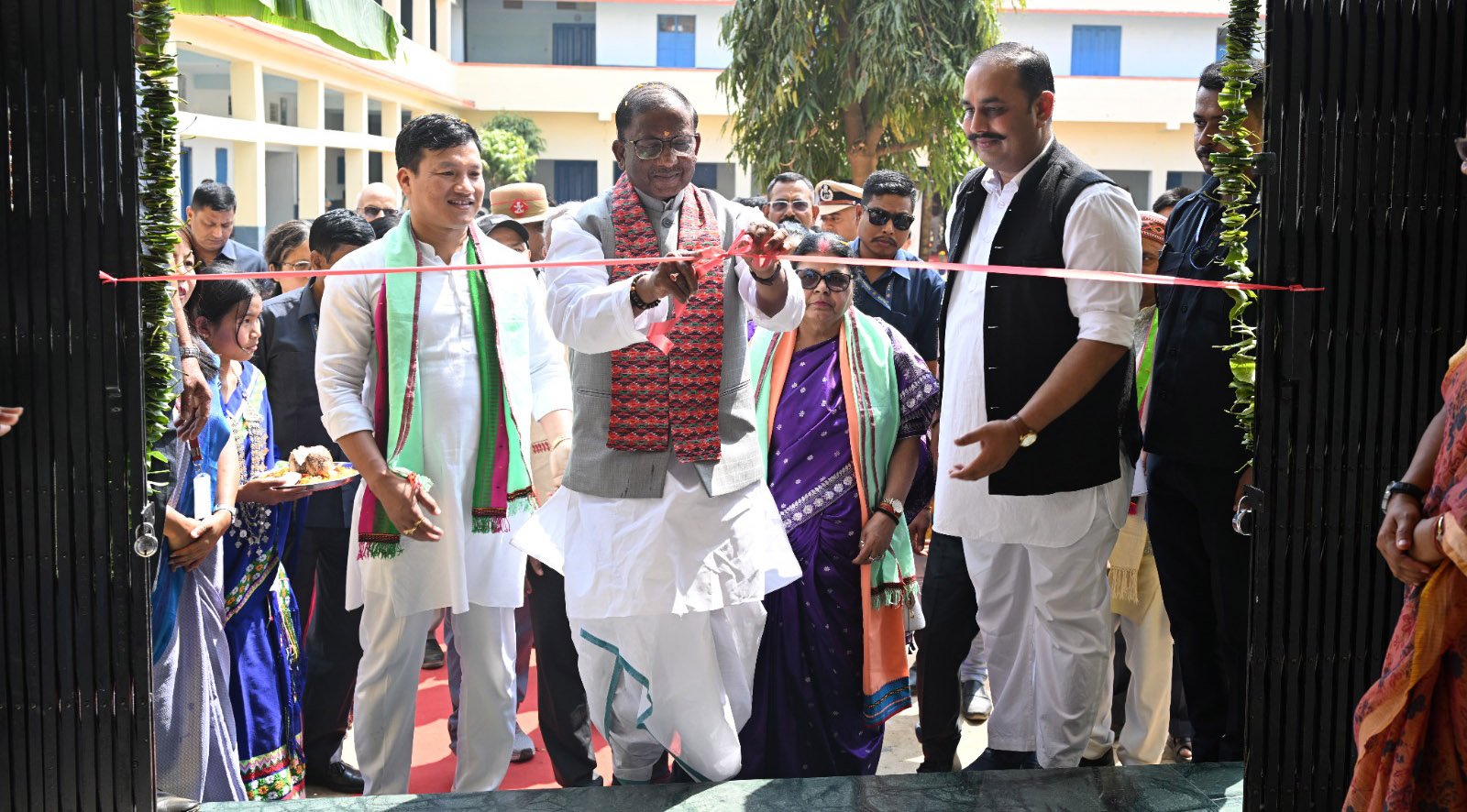
HAFLONG, March 5: The Governor of Assam, Lakshman Prasad Acharya, accompanied by the First Lady of Assam, Kumud Devi on Thursday inaugurated the new school buildings of Vivekananda Vidyalaya and Saraswati Vidya Mandir Secondary School at Haflong, marking a major milestone for education in the Dima Hasao district.
The ceremony was held in the presence of Chief Executive Member (CEM) of NCHAC, Debolal Gorlosa and Minister of Sports and Youth Welfare, Nandita Gorlosa. Other notable attendees included Executive Members (EMs), MACs, the District Commissioner and other senior officials.
Related Posts:
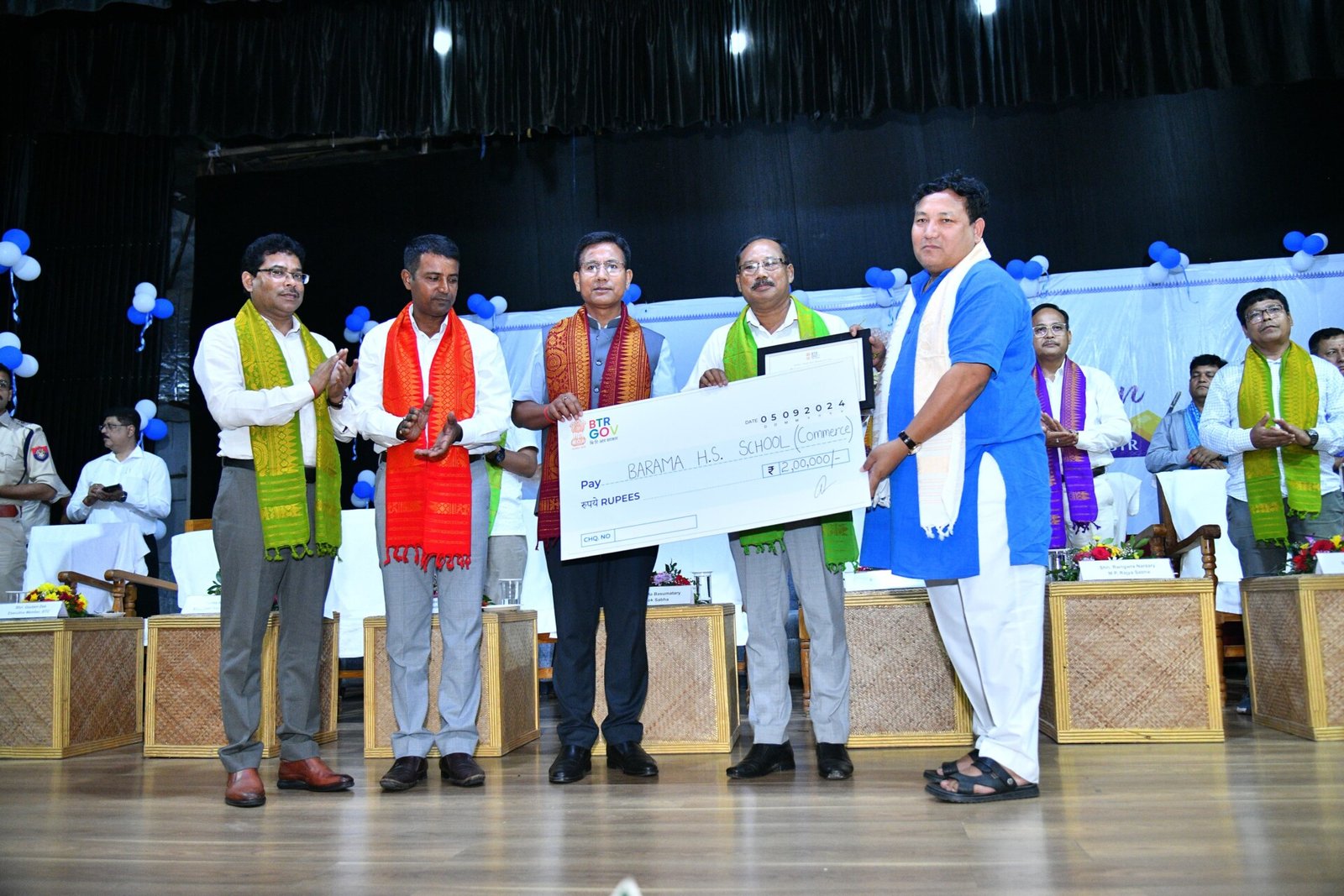

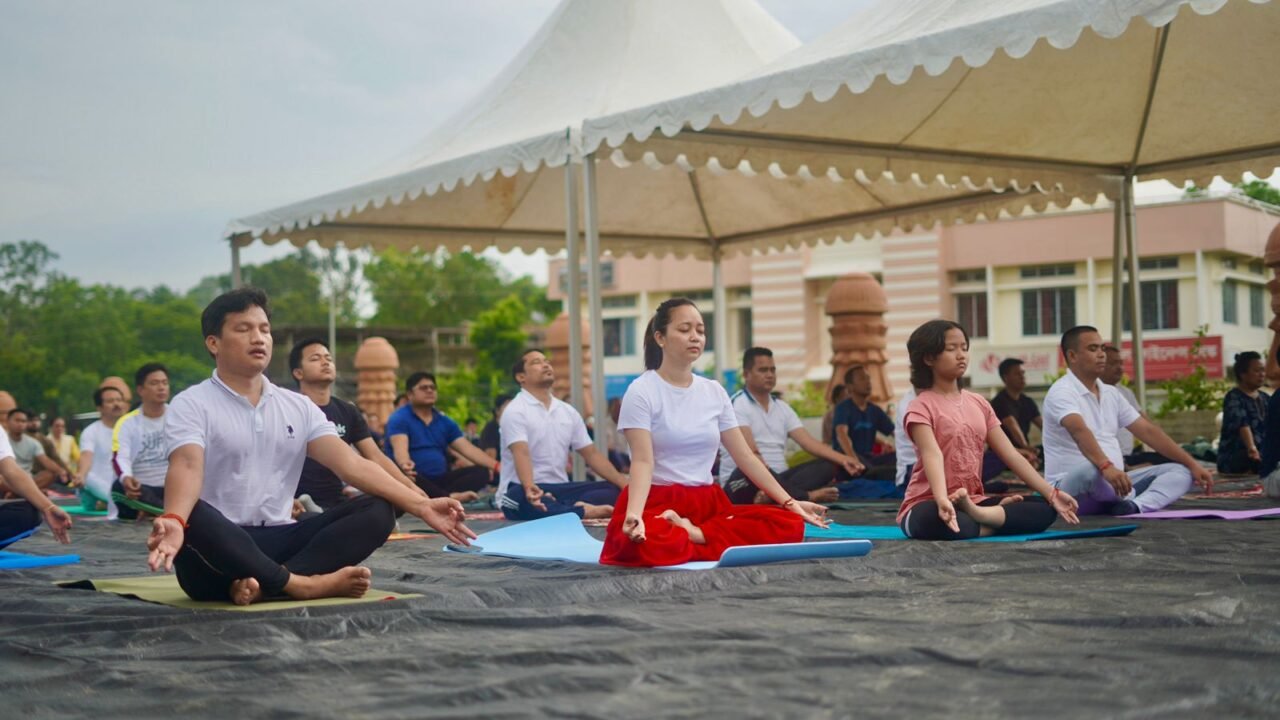
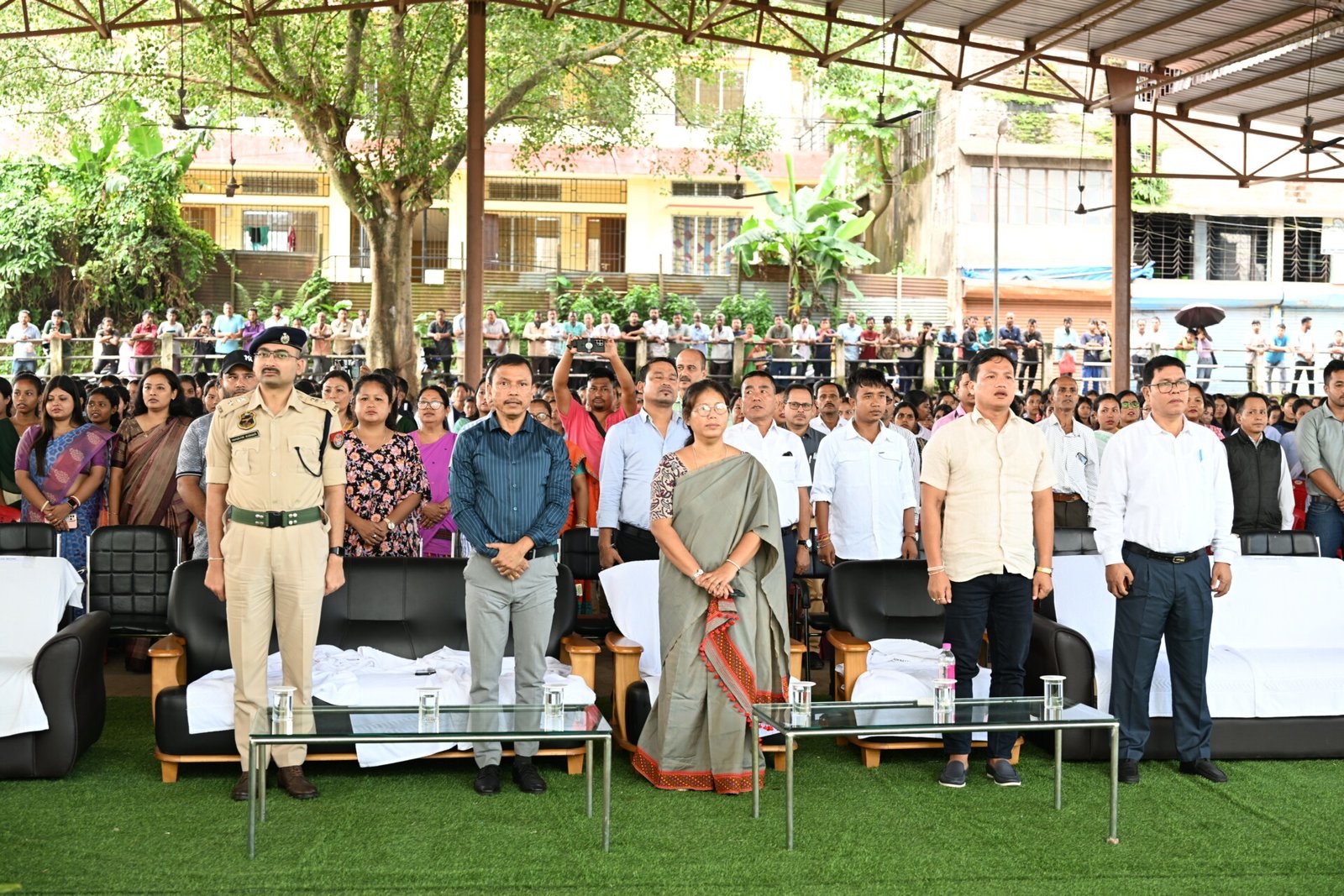
During the inauguration, Governor Acharya emphasised the vital role of value-based education and character building in shaping the nation’s future. He commended the local administration’s efforts in prioritising academic excellence and infrastructure development in the hill district. He specifically highlighted the importance of incorporating the ideology of Swami Vivekananda into the curriculum, urging students and educators to draw inspiration from his teachings on strength, service and self-reliance.
During the event, CEM Gorlosa shared a message on social responsibility. Reflecting on the human experience, he stated that human beings are guests for a short period of time in this world and that individuals living in society have a moral obligation to perform good deeds and leave a positive legacy. He underscored that the survival of a community relies heavily on the preservation of its mother tongue, traditions and heritage.
He further emphasised that the upcoming generation must remain rooted in their heritage, asserting that young people must know their own mother tongue, culture and tradition. In a major move to bolster linguistic heritage, Gorlosa announced that the Dimasa language has officially been introduced as a Modern Indian Language (MIL) subject in schools to develop and sustain the region’s cultural identity.
The inauguration concluded with an inspection of the new facilities, which are expected to serve as vital hubs for both academic and cultural learning in the region.