


HT Bureau
DIPHU, June 19: World Sickle Cell Day was observed across West Karbi Anglong on Friday with a series of awareness programmes, screening activities and public outreach initiatives organised jointly by the District Health Society and the National Health Mission (NHM).
The central programme was held at Hamren District Hospital, where healthcare professionals and district health officials highlighted the importance of awareness, early diagnosis and timely management of sickle cell disease.
Related Posts:



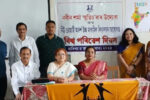
Among those present were Joint Director of Health Services, West Karbi Anglong, Dr Jagat Sing Teron; Superintendent of Hamren District Hospital, Dr Altaf Hussain; Deputy Superintendent in-charge Dr Mirdihun Teronpi; District Data Manager Sankar Chakraborty; District Pharmacist Mizanur Rahman; and District Media Expert Rahul Deka.
During the seminar, medical experts conducted detailed sessions on the symptoms, genetic causes, prevention, diagnosis and treatment of sickle cell disease.
Speakers stressed that early screening, particularly among children and high-risk populations, plays a crucial role in reducing complications and improving long-term health outcomes.
Health professionals explained that sickle cell disease is an inherited blood disorder in which red blood cells become hard and crescent-shaped, restricting blood flow and potentially leading to severe pain, infections and damage to vital organs.
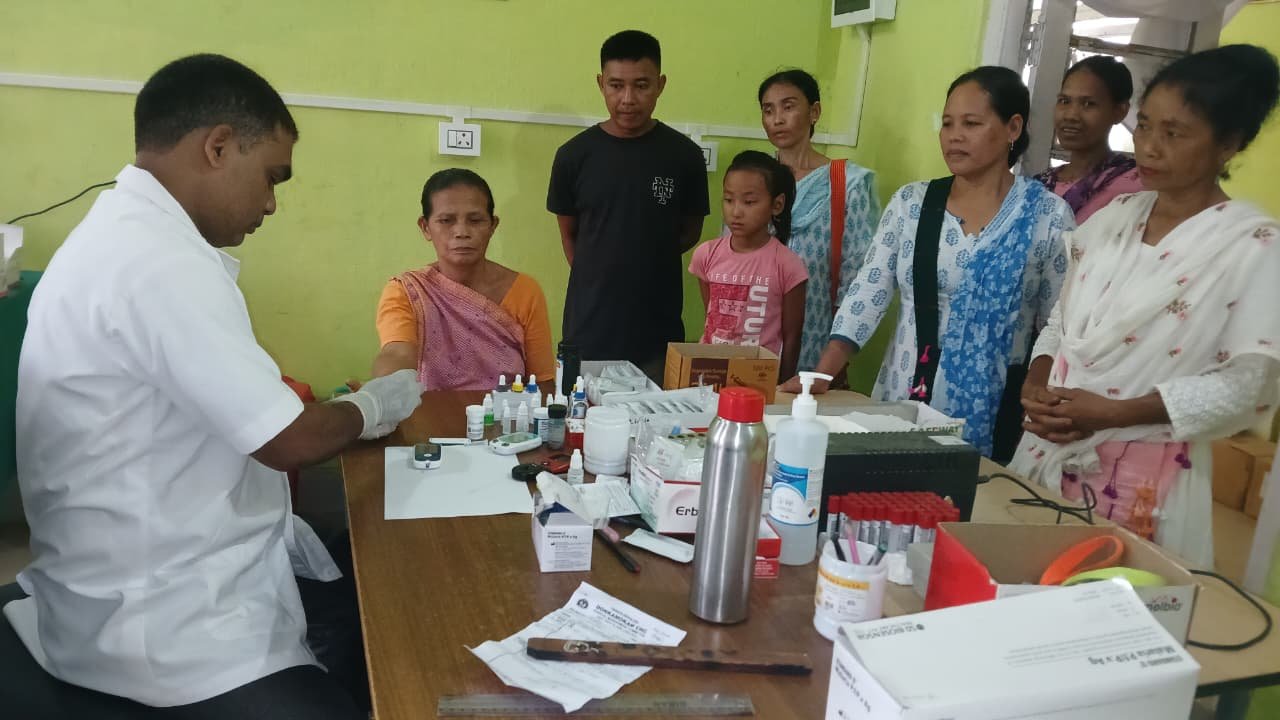
As part of the district-wide observance, awareness programmes, screening camps and counselling sessions were also organised at several healthcare institutions, including Dongkamokam BPHC, Baithalangso BPHC, Tumpreng SHC, Mailoo SHC, Bhoksong MPHC, Taradubi MPHC, Hanlokrok MPHC and Kolonga SD.
Health workers encouraged community members to seek medical advice, undergo screening where necessary and make use of government-supported testing facilities for early detection of the disease.
Officials stated that the observance aimed to increase public understanding of the hereditary disorder, reduce stigma associated with the condition and promote timely intervention through awareness and screening initiatives.