
HT Correspondent
TAWANG, Oct 23: An Awareness-cum-Orientation Training Programme on Natural Farming was conducted on Thursday at Nahmed Village under Kydphel Circle, organised by the Department of Agriculture, Tawang, as part of the National Mission on Natural Farming (NMNF).
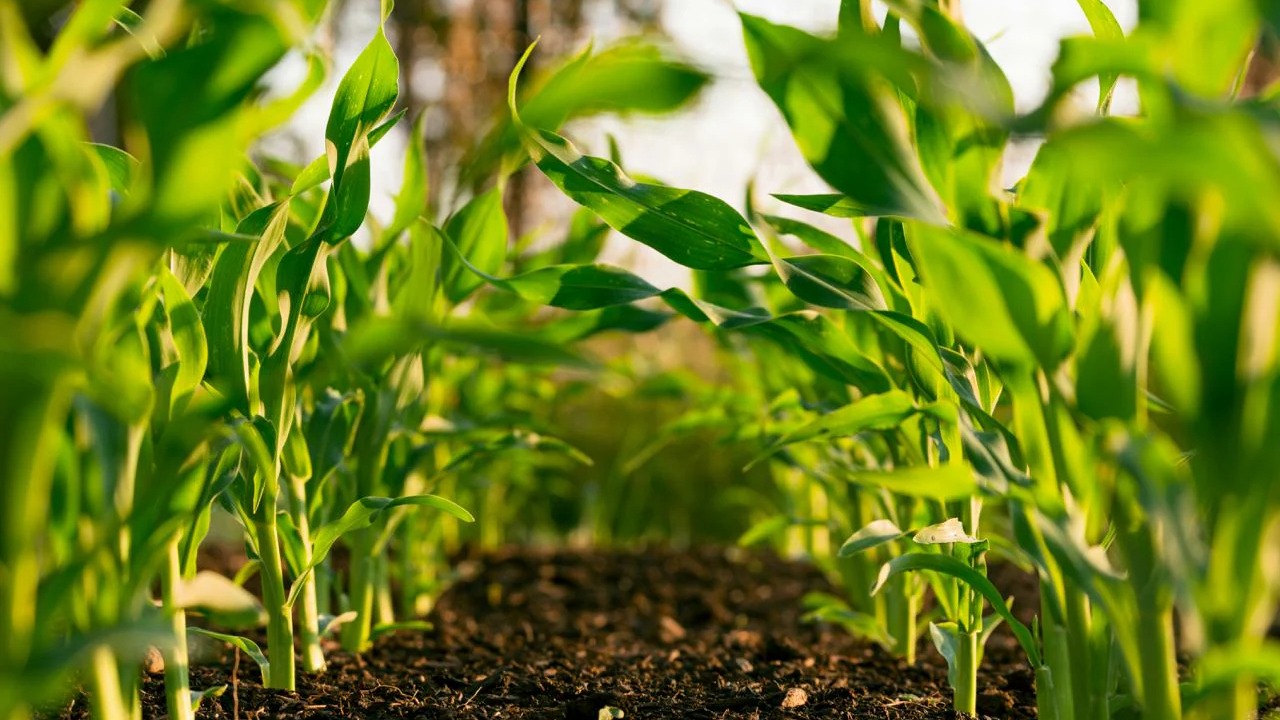
The programme aimed to promote sustainable agricultural practices and reduce farmers’ dependence on chemical-based inputs.
Related Posts:

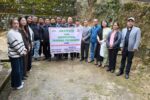
The training saw active participation from PRI members, Gaon Burhas, Self-Help Group (SHG) members, Community Resource Persons, and over 60 farmers from the region.
District Agriculture Officer Pema Dechhen highlighted the growing significance of natural farming in ensuring long-term soil health, environmental conservation, and enhanced farm profitability.
She encouraged farmers to gradually transition to natural methods to make agriculture more resilient and sustainable.
As a resource person, K B Kayastha, Entomologist, Tawang, elaborated on natural cultivation practices that minimise external input costs by utilizing locally available resources.
He underscored how adopting bio-inputs and traditional pest management techniques can ensure eco-friendly and cost-effective farming.
Lakshmipriya Borah, Subject Matter Specialist (Plant Protection) from KVK Tawang, conducted a practical demonstration on seed treatment techniques vital for safeguarding seeds and seedlings from pests and diseases.
Meanwhile, C K Singh, SMS (Agronomy), shared insights on the preparation of natural nutrient formulations to boost soil fertility and promote microbial activity for improved crop yields.
Addressing the gathering, Tsering Dondup, District President of Kisan Morcha, urged farmers to adopt natural farming as a sustainable alternative to chemical-intensive agriculture.
He emphasized that natural farming not only improves productivity but also ensures environmental conservation and better health for farming communities.
Gaon Burhas from Bomdir and Wodkher villages also shared their experiences and opinions on the advantages of natural farming, reflecting a growing awareness and interest among local farmers toward sustainable cultivation practices.
The training concluded with an interactive session, where participants expressed enthusiasm to implement natural farming methods in their fields, marking another step toward creating an environmentally sustainable and economically viable agricultural future for Tawang district.