

HT Correspondent
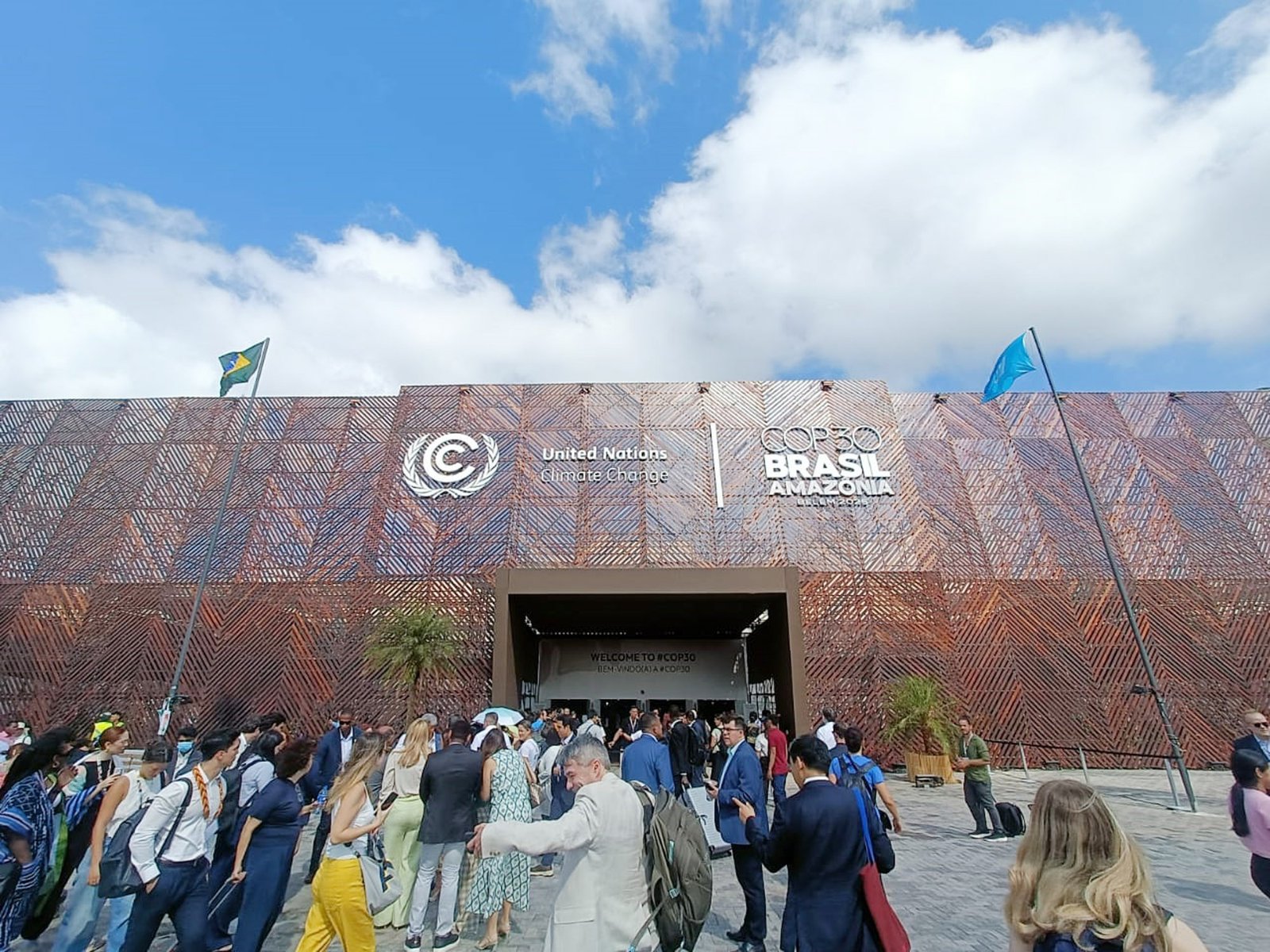
JORHAT, Nov 12: The North-East Affected Area Development Society (NEADS), a grassroots development organisation based in Jorhat, has joined the global community at the 30th United Nations Climate Change Conference (COP-30), which began on November 10 in Belém, Brazil, and will continue till November 21.
The two-week summit brings together world leaders, scientists, civil society groups, and community organisations to deliberate on urgent measures to combat the escalating climate crisis.
Related Posts:

NEADS’ participation marks a significant milestone for North-East India, one of the most climate-vulnerable regions of the world.
Representing NEADS at COP-30 as an Observer of the Start Network, Tirtha Prasad Saikia, Director of NEADS, said, “It is an honour to bring the voices of Assam’s flood-affected and climate-vulnerable communities to a global platform. Our participation is a step toward ensuring that their experiences, losses, and resilience are recognised in the global climate agenda.”
Saikia added that with climate justice, adaptation, loss and damage, and community inclusion at the heart of this year’s COP, NEADS seeks to share its grassroots experience in promoting climate-resilient farming, disaster preparedness, and community-led adaptation.
The organisation also advocates for integrating Local, Indigenous, and Traditional Knowledge (LITK) into climate action in risk-prone regions like Assam.
Over the years, NEADS has collaborated with government agencies and local, national, and international partners to strengthen climate resilience, sustainable agriculture, and adaptive livelihoods.
Through these initiatives, it has promoted community-based innovations and traditional ecological knowledge among Indigenous and rural communities affected by floods and erosion.
At COP-30, NEADS will take part in discussions, side events, and policy dialogues focusing on the intersection of climate change, human development, and justice in India’s North-East.
Hosting the summit in Belém, in the heart of the Amazon, symbolises the shared struggles and solidarity of communities across the Global South—from the floodplains of Assam to the forests of the Amazon.
“Our message is clear—adaptation must begin at the grassroots, and communities on the frontline must be at the centre of all climate action. Recognising Loss and Damage and valuing Indigenous knowledge systems are essential for achieving true climate justice,” Saikia emphasised.