

HT Correspondent
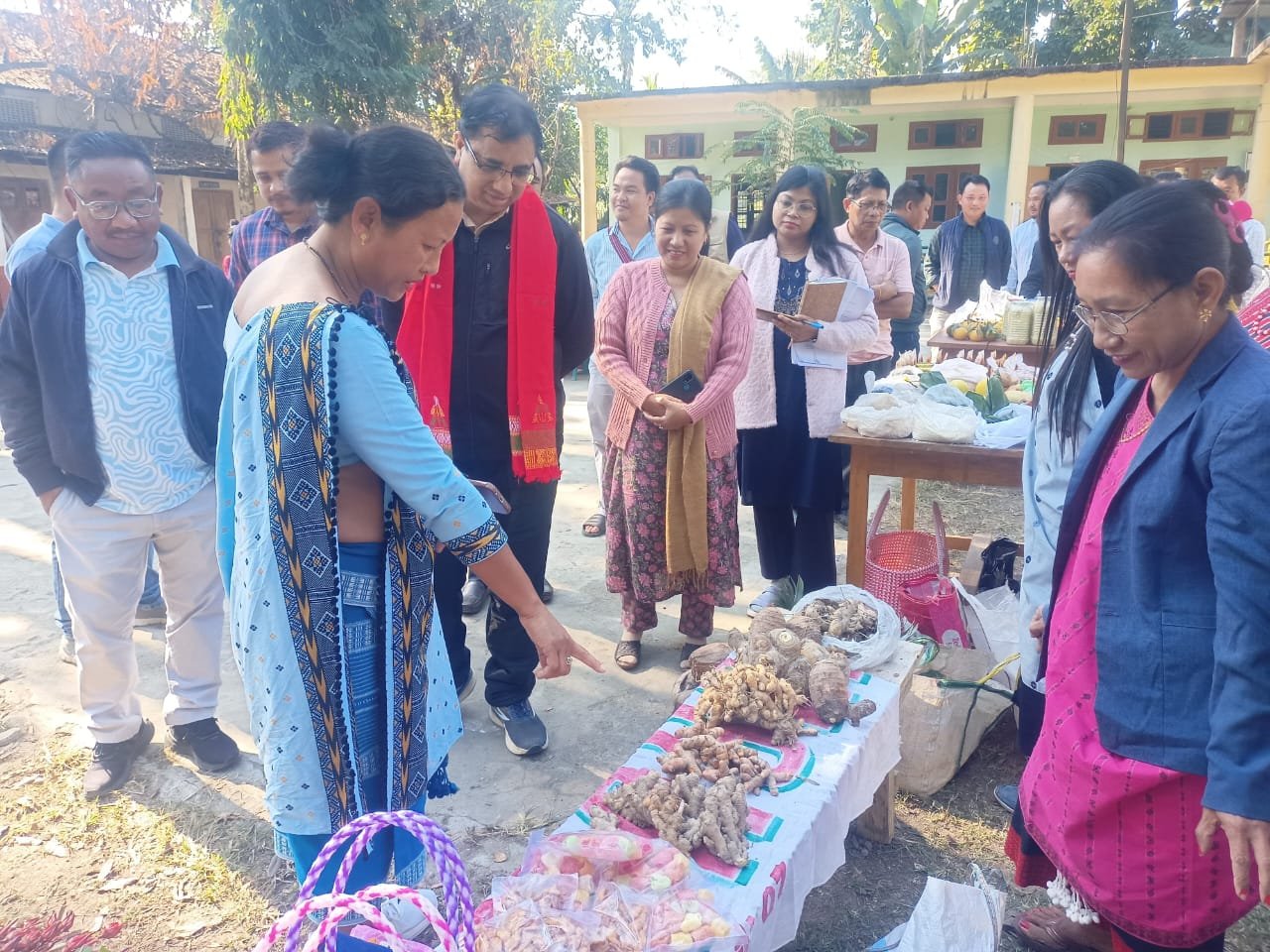
KHERONI, Dec 17: Dr Pradip Kumar, IRS (Income Tax), Chief Prabhari Officer (CPO) for Karbi Anglong district under NITI Aayog’s Aspirational Blocks Programme (ABP) and Director in the Department of Pensions and Pensioners’ Welfare, Government of India, carried out a comprehensive field visit to the Nilip Aspirational Block to review the on-ground implementation of key development initiatives.
The visit was aimed at evaluating block-level performance and ensuring effective delivery of essential services in one of Assam’s underdeveloped areas covered under the ABP, a flagship programme launched to accelerate socio-economic progress in 500 selected blocks across the country.
Related Posts:



During the inspection, Dr Kumar visited the Bogijan Tea Estate Anganwadi Centre, where he reviewed the functioning of early childhood care, education and nutrition services. He interacted with frontline workers and discussed service delivery mechanisms, challenges and beneficiary outreach with a view to strengthening health and nutrition outcomes.
He also visited the Dokhora English ME School and held detailed discussions with the Block Development Officer (BDO), Block Primary Education Officer (BPEO) and the Head Teacher. The interactions focused on key education indicators, student performance and strategies to improve learning outcomes under the ABP framework.
In addition, Dr Kumar inspected the Dakhara Hide Bey Piped Water Supply Scheme implemented under the Jal Jeevan Mission. He reviewed the progress of rural drinking water infrastructure, household tap connections and sustainability measures.
The field visit highlighted the importance of inter-departmental convergence, close monitoring of key performance indicators and strong last-mile service delivery to ensure holistic development in the Nilip block. Dr Kumar emphasised the need for sustained and coordinated efforts to improve the quality of life in aspirational areas through programmes like the Aspirational Blocks Programme. The Aspirational Blocks Programme focuses on priority sectors including health, nutrition, education and basic infrastructure to promote inclusive growth in remote and underdeveloped regions.