
HT Correspondent
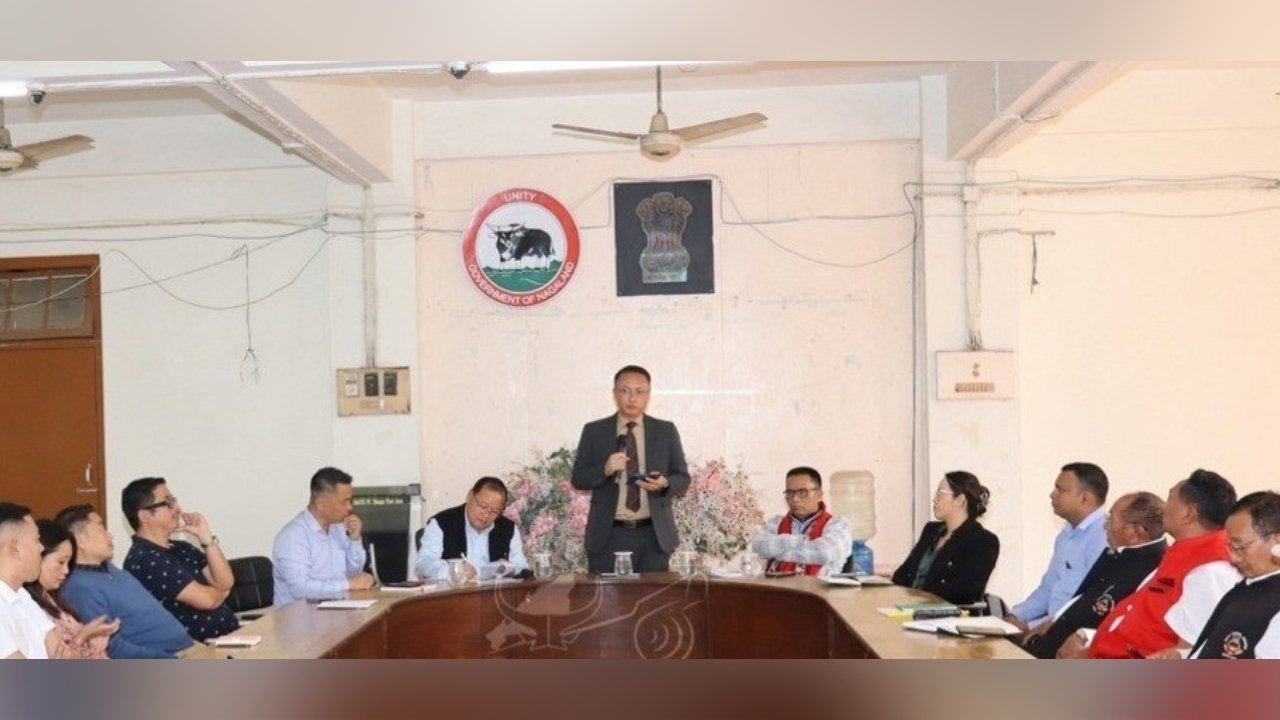
DIMAPUR, Feb 6: A team from Mizoram’s Planning and Programme Implementation Department on Thursday held a consultative meeting with stakeholders from Nagaland at the Dimapur Deputy Commissioner’s conference hall to study the impact of railway connectivity on social structures, cultural practices and economic transformation in the state.
The Mizoram delegation was led by MLA and chairman of the Study Committee on the Kaladan Multi-Modal Transit Transport Project (KMMTTP) and Railway Line Services, Pu T Lalhlimpula. The team sought insights into how Nagaland has navigated both the opportunities and challenges arising from improved railway connectivity.
Related Posts:


Speaking at the meeting, Lalhlimpula said the discussions focused on two major infrastructure initiatives expected to significantly influence the region’s future — the proposed railway line from Bairabi to Sairang in Mizoram and the KMMTTP.
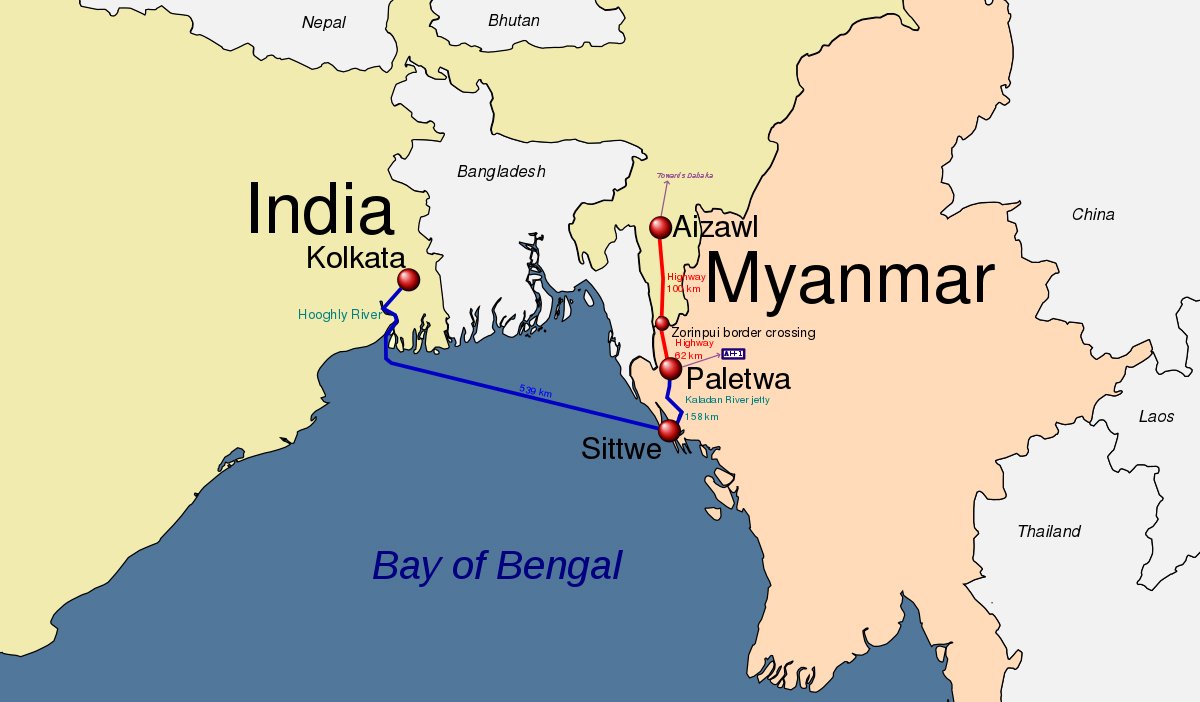
He explained that the KMMTTP aims to connect Kolkata to Myanmar’s Sittwe port by sea, further extending through inland waterways to Paletwa and then by road to Mizoram. Funded by the Government of India and targeted for completion by 2027, the project is expected to provide an alternative connectivity route to the northeastern states by bypassing the Siliguri Corridor and reducing travel distance by more than 700 kilometres.
Referring to Dimapur as a city deeply shaped by railway connectivity, Lalhlimpula said the visit was not meant for abstract discussions but to draw practical lessons from Nagaland’s long experience with rail infrastructure to guide future projects in Mizoram.
He noted that Nagaland’s railway history dates back over a century to 1903, offering valuable insights for Mizoram, where Bairabi was connected by broad gauge rail only in 2016 and Aizawl was linked by rail in September 2025.
Lalhlimpula also highlighted the socio-cultural and religious similarities between the two states, particularly the central role of Christianity in social, cultural and community life.
Emphasising that improved connectivity brings both development opportunities and concerns related to culture, identity and livelihoods, the Mizoram delegation expressed its eagerness to learn from Nagaland’s experiences — both positive and negative — to maximise benefits while minimising adverse impacts. He expressed hope that the interaction would strengthen cooperation and mutual understanding between the two states and contribute to informed and balanced planning for future infrastructure development in Mizoram.