


By: Shashanka Das
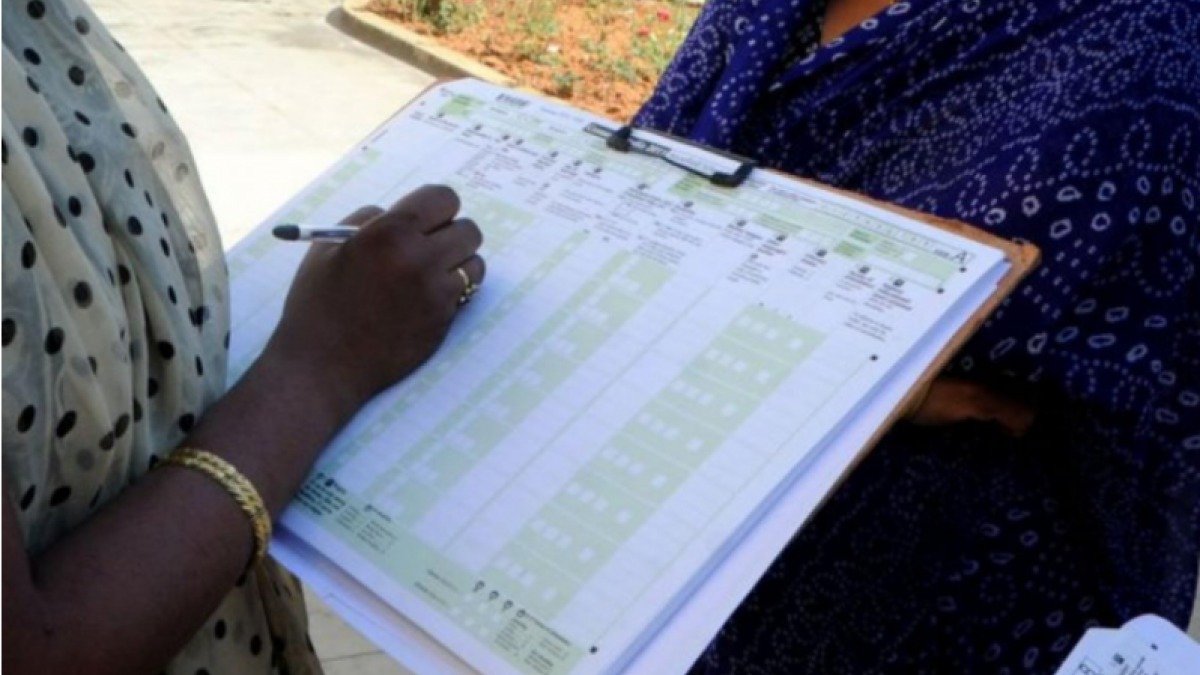
The release of the Bihar caste census data has stirred up a significant amount of debate and controversy. While some hail it as a step towards social justice and equality, others criticize it for perpetuating the division among communities and hindering the progress of the nation.
The data revealed that OBCs and EBCs constitute a majority of the population in Bihar, making up 63% of the total. This information, along with the statistics on Scheduled Castes and Scheduled Tribes, provides insights into the socio-economic conditions of different communities. However, the categorization of individuals based on their caste has long been a contentious issue in India, with critics arguing that it perpetuates discrimination and hampers social mobility.
Related Posts:



One of the main concerns raised by critics is the potential for the data to be misused and exploited by political parties. As the release of the caste census coincides with the approaching 2024 Lok Sabha Elections, there is a fear that it will be used as a tool to manipulate voters along caste lines. This could further deepen the divisions within society and impede progress towards a more inclusive and egalitarian India.
Moreover, the opposition to the caste census by the BJP-led NDA government raises questions about the politicization of the issue. By opposing the survey, the government has displayed its reluctance to address the historical inequalities and injustices rooted in the caste system. Instead of viewing the census as an opportunity to address these issues, the government seems to be more concerned about its potential impact on electoral politics.
The timing of the release of the caste census data is also questionable. The fact that it was made public just months before the 2024 Lok Sabha Elections raises suspicions about ulterior motives. It is crucial to have transparent and unbiased data collection processes, free from political interference, to ensure its accuracy and credibility.
Furthermore, the Supreme Court’s decision to hear a plea challenging the caste census on the grounds of privacy violation is a significant development. Privacy is a fundamental right of every citizen, and any data collection that infringes upon this right must be critically analyzed. If the court finds that the collection and publication of the caste census data violate privacy rights, it could set a precedent for reconsidering the approach towards categorizing individuals based on their caste.
It is also important to consider the sociopolitical implications of categorizing individuals based on their caste, especially in a diverse country like India. While it may provide insights into historical injustices and the distribution of resources, it also reinforces social divisions and perpetuates stereotypes. The focus should be on uplifting marginalized and disadvantaged communities based on their socio-economic conditions, rather than perpetuating the narrative of caste.
Another point of concern is the potential impact of the caste census data on inter-caste relations. Caste-based discrimination and violence are already prevalent in many parts of the country, and the disclosure of such data could further exacerbate tensions. It is essential to promote harmony and unity among communities, rather than reinforcing identity-based divisions.
In conclusion, while the release of the Bihar caste census data has sparked discussions about social justice and equality, it also raises important concerns about its potential misuse, politicization, and impact on inter-caste relations. The upcoming Supreme Court hearing will shed light on the legality and ethics of the data collection and publication process. It is crucial to approach the issue with sensitivity and ensure that any data collection efforts are in line with the principles of inclusivity, privacy, and social harmony. Only then can we truly progress towards a more equal and united India. (The author can be reached at shashankadas0007@gmail.com or 9706619975)