

STRAP: NEEPCO’s First Venture Beyond Northeast India Aims to Boost Renewable Energy Goals
HT Bureau
Related Posts:



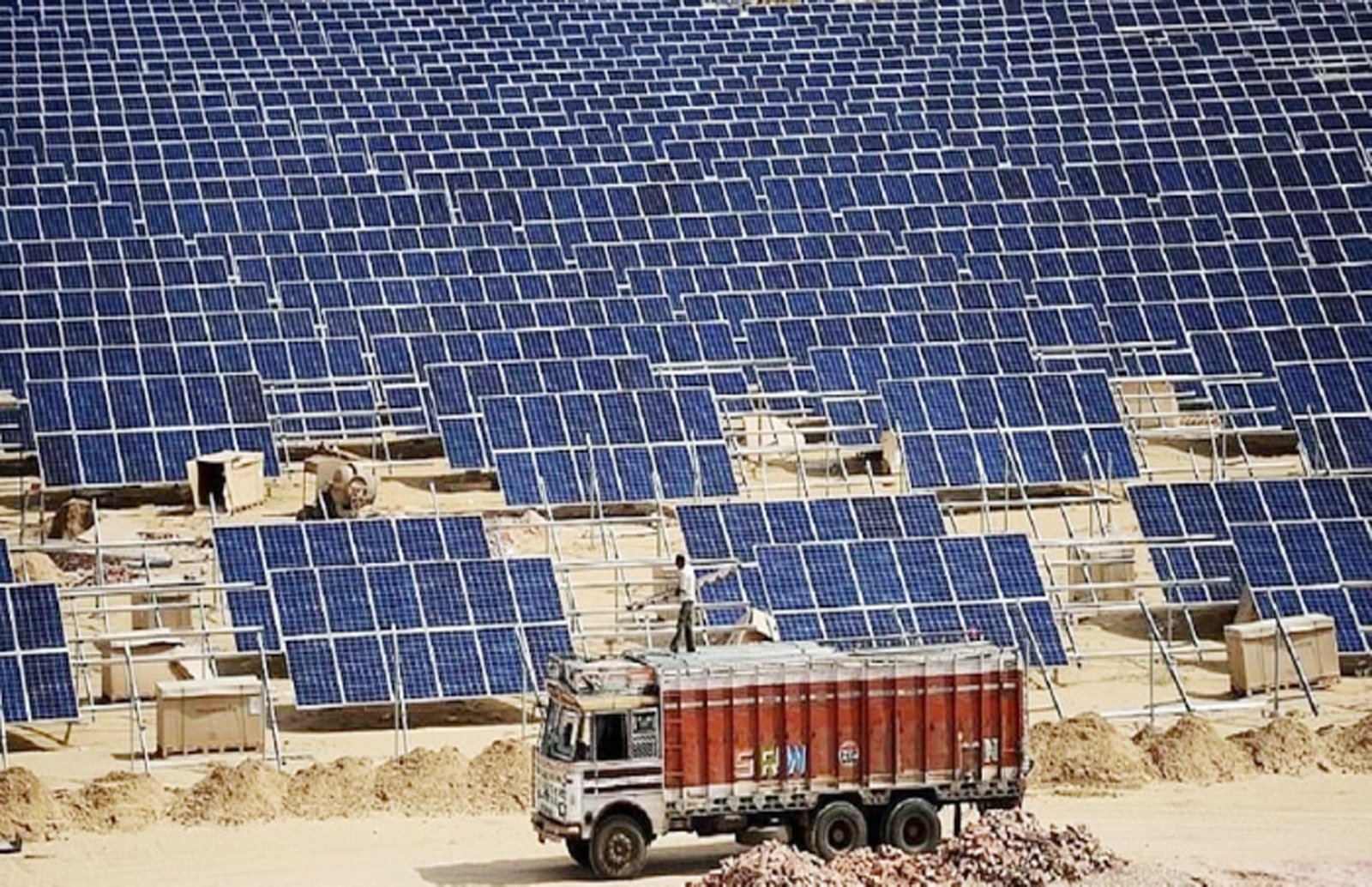
GUWAHATI, March 4: In a significant stride towards realizing the Government of India’s ambitious targets for renewable energy and the overarching goal of achieving net zero emissions by 2070, North Eastern Electric Power Corporation Limited (NEEPCO) has embarked on a groundbreaking initiative. The corporation has recently awarded an Engineering, Procurement, and Construction (EPC) contract for the development of a 300 MW (Phase-I) Interstate Transmission System (ISTS) connected Solar Photovoltaic (PV) project at Bhanipura, Bikaner, Rajasthan.
Expected to generate 762.30 million units of electricity in its inaugural year of operation and a staggering 17,631 million units over its entire 25-year lifespan, this project signifies a substantial leap towards sustainable energy generation. Scheduled for commissioning within a swift 17-month timeline, the power generated from this solar facility will be efficiently evacuated from the Bikaner-II Sub-Station of Powergrid, ensuring seamless integration into the national grid.
Shedding light on this momentous endeavor, Hiten Bharali, chief general manager and head of renewable energy at NEEPCO, revealed that the project is estimated to incur a total investment of Rs. 1585.49 crores. Furthermore, NTPC Vidyut Vyapar Nigam Ltd. has committed to purchasing the entire power generated from this project at a tariff mutually agreed upon.
This venture marks a significant expansion for NEEPCO, as it ventures beyond its traditional operational territory in the northeastern region of India. Bharali also disclosed plans for the upcoming Phase-II of the project, comprising an additional 300 MW capacity, with techno-commercial bids set to be unveiled shortly. In line with its strategic objectives, NEEPCO aims to kickstart approximately 1500 MW of solar power projects during the current fiscal year.
This initiative not only underscores NEEPCO’s commitment to fostering renewable energy sources but also aligns with India’s broader vision of transitioning towards a greener, more sustainable future. As the nation continues its march towards energy independence and environmental stewardship, collaborations such as these serve as exemplars of collective action towards a cleaner and more resilient energy landscape.