

HT Bureau
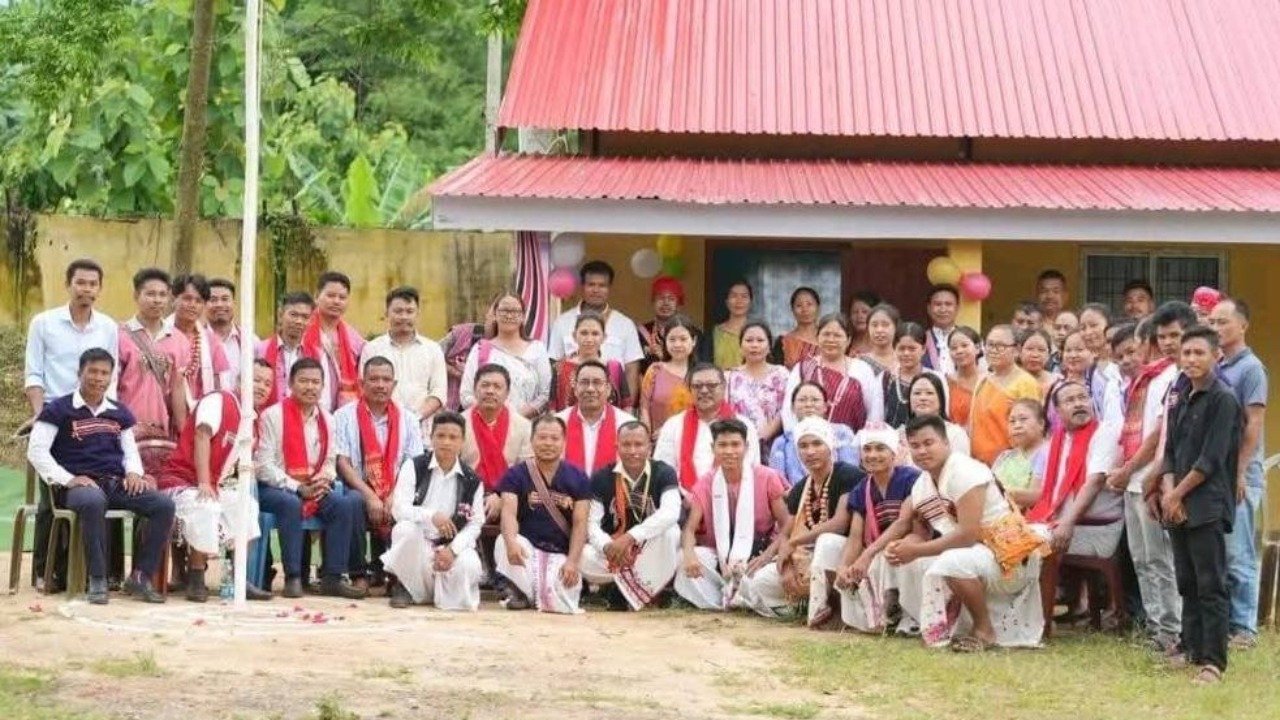
DIPHU, July 9: The Karbi Traditional Music Culture & Research Institute (KTMCRI), under the Art and Culture Department of the Karbi Anglong Autonomous Council (KAAC), inaugurated its new office-cum-academic building at Taralangso on Wednesday, marking a significant development in its efforts to preserve and promote Karbi heritage.
The inauguration was led by Executive Member (EM) for Art and Culture, Surya Rongphar, in the presence of Local Member of Autonomous Council (MAC) Johny Timung, President of Karbi Cultural Society Humsing Bey, KTMCRI Principal Bonsam Kathar, Tribal Culture Research Officer Dilip Kathar, and other officials.
Related Posts:
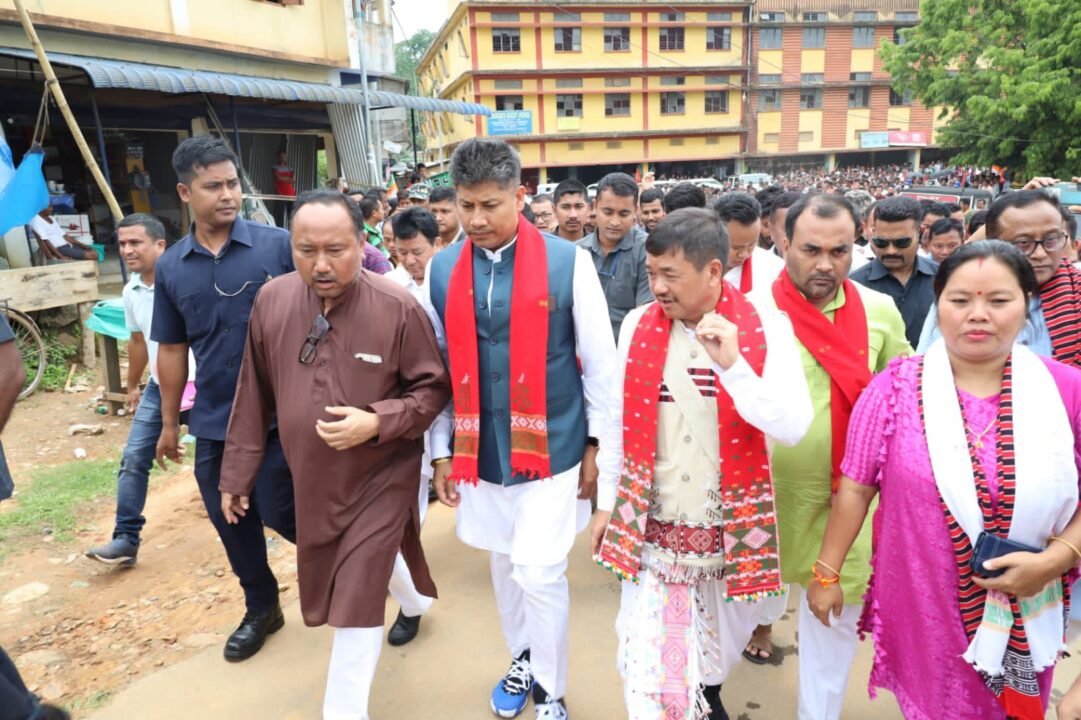


Speaking at the ceremony, EM Rongphar noted that after operating for five years from Lorulangso, the institute has now shifted to its permanent premises in Taralangso, complete with dedicated classrooms and administrative offices.
He expressed gratitude to KAAC Chief Executive Member Tuliram Ronghang for sanctioning the budget and to the Karbi Cultural Society for donating the land for the institute.
Rongphar underscored the institute’s vital role in promoting and preserving Karbi culture, citing the participation of KTMCRI students and staff in an international festival in Dubai last year as an example of its growing impact.
He emphasised the need for collaboration between KTMCRI and the Karbi Cultural Society to further advance cultural outreach and education.
Principal Bomsam Kathar informed that the institute currently offers a four-year course focusing on folk songs, traditional drumming, dance forms, and other cultural expressions.
Classes are held twice a week, and admissions for the upcoming session beginning in August are now open, with a nominal admission fee of Rs 150.
The institute has reserved 90% of its seats for Karbi students and 10% for non-Karbi students.
Kathar also announced that a new course on “Bamboo Craft” would be introduced in the coming academic session. At present, KTMCRI has five centres, with the main institute based in Diphu and sub-institutes located in Hamren, Dokmoka, Centre Dengkimo Apam, and Hanjanglangso.
The new campus is expected to strengthen the institute’s mission of cultural preservation and provide an enhanced learning environment for aspiring students of Karbi traditional arts.